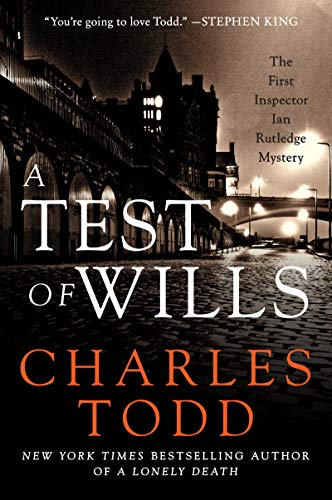
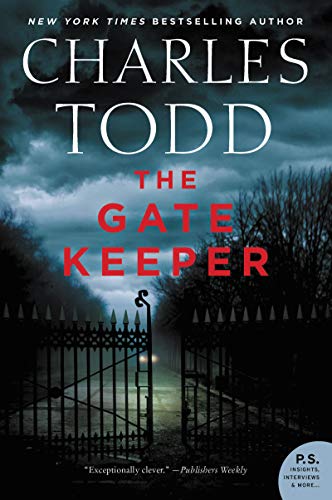
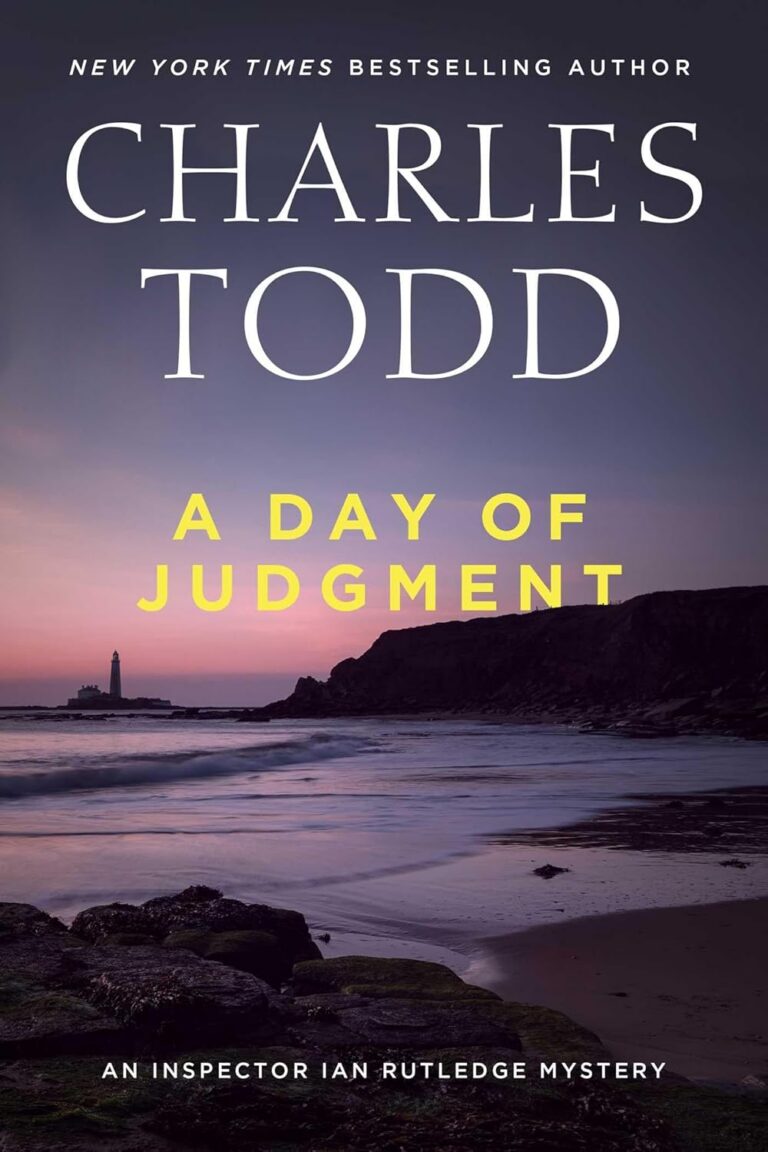
In July 1920, former soldiers are found garrotted in a Sussex village, each with an identity disc placed in his mouth. The ritual points unmistakably to the war, but the victims served in different circumstances and appear to have resumed ordinary lives. As the body count rises, Rutledge must reconstruct a shared past while facing pressure from Scotland Yard and renewed danger to his own career.
The murders expose the fragile solidarity of veterans. Service records suggest comradeship, yet shame, resentment and survivor guilt may bind men as strongly as loyalty. The killer turns military identification into accusation, forcing Rutledge to confront how war can continue as a private system of judgement after official peace.



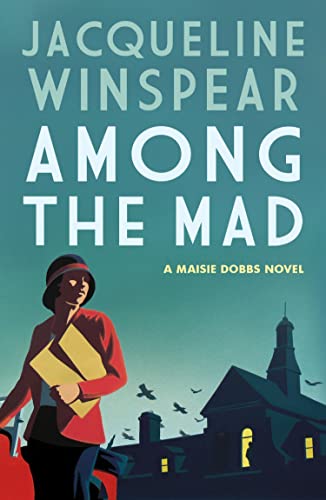
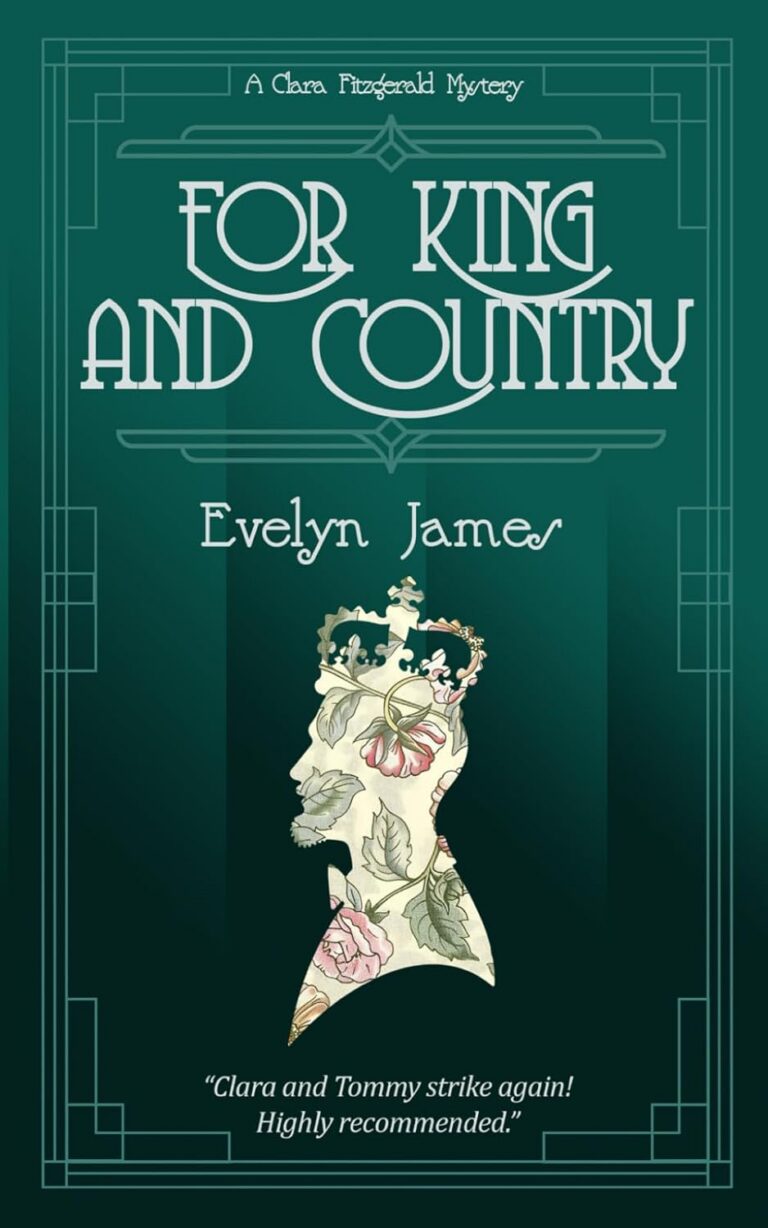
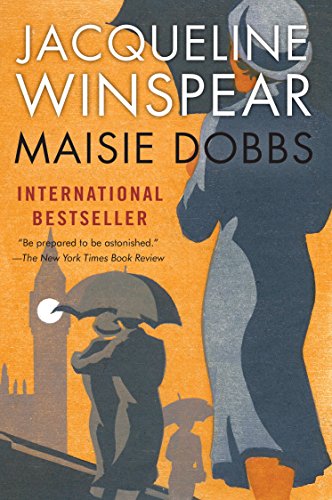
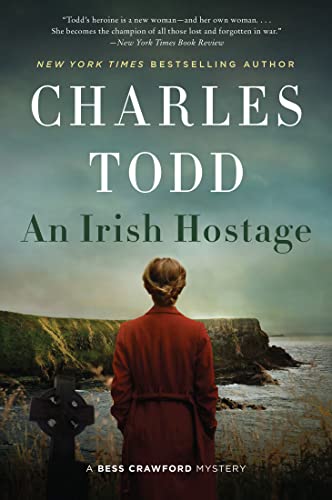

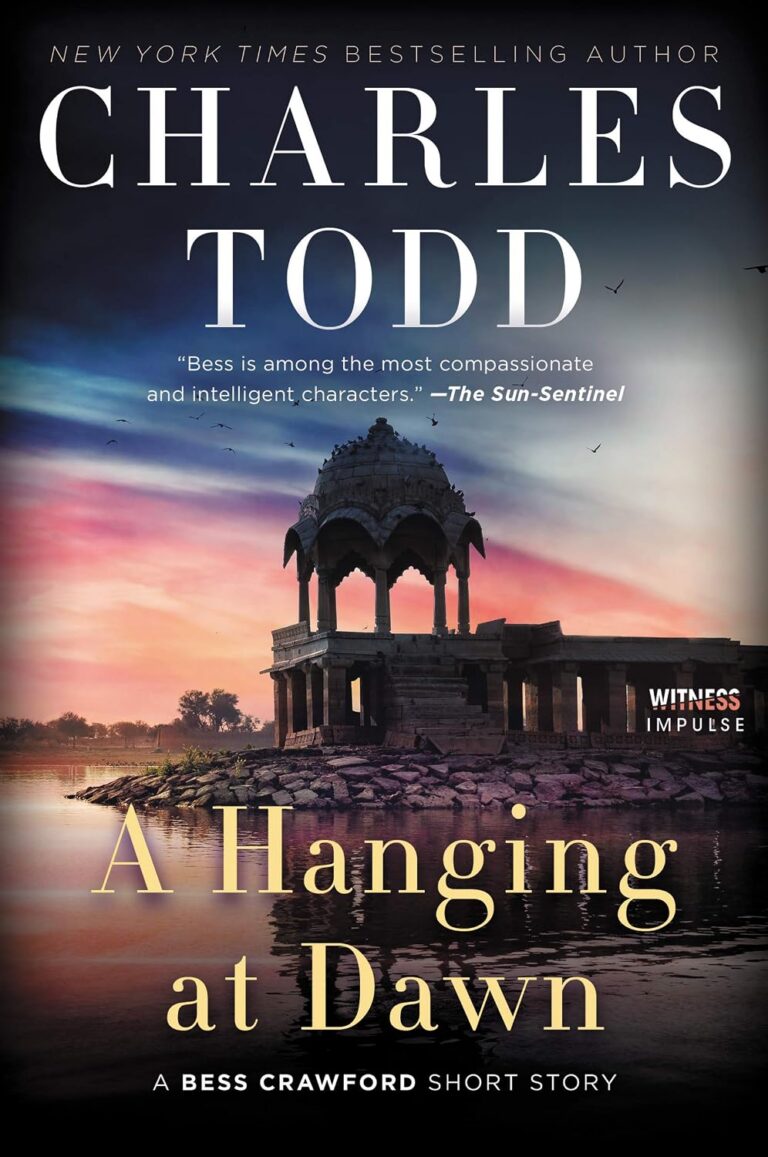
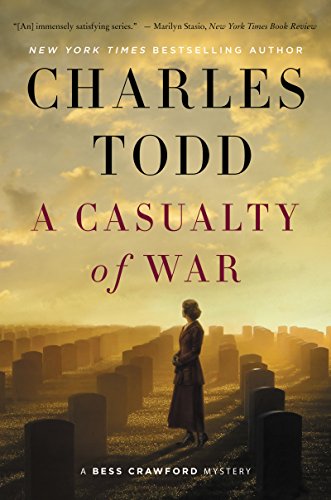

 Jacqueline Winspear
20 books
Jacqueline Winspear
20 books
 Anne Perry
72 books
Anne Perry
72 books
 Evelyn James
55 books
Evelyn James
55 books
 Sir Arthur Conan Doyle
24 books
Sir Arthur Conan Doyle
24 books
 Rhys Bowen
53 books
Rhys Bowen
53 books