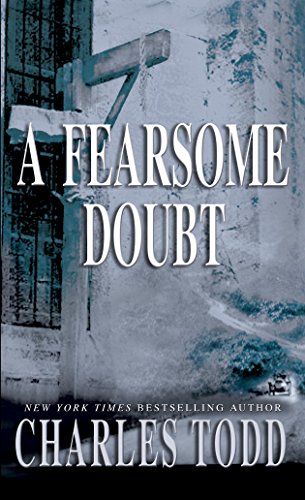
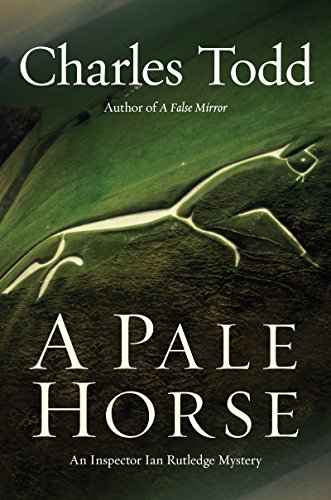
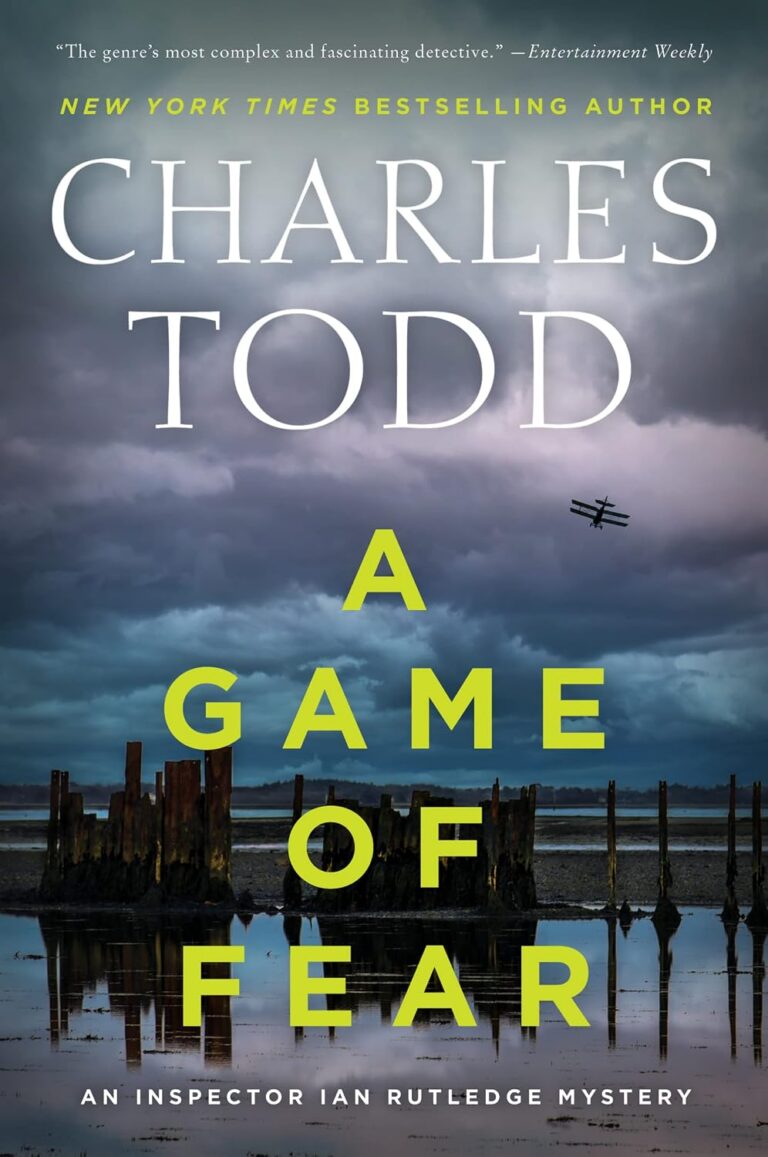
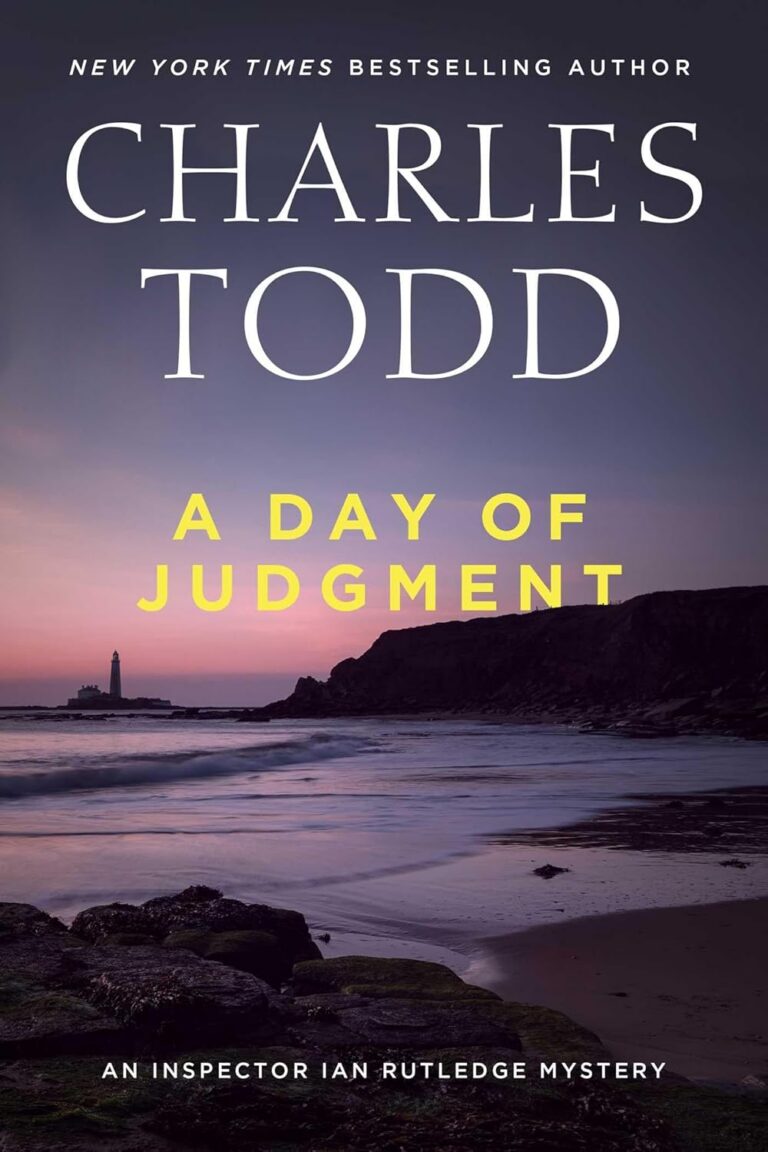
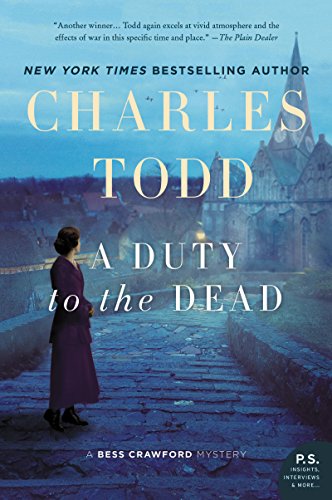
In August 1919, a tormented veteran sees a woman he believes to be his missing wife travelling with their two children. Soon a woman is found dead near the Dorset village of Singleton Magna and the children vanish. Rutledge doubts the easy case against the veteran, but villagers and well-connected Londoners obstruct his efforts to identify the victim and reconstruct the family’s movements.
The novel uses wartime bombing, displacement and psychological injury to unsettle the idea that returning soldiers can simply resume their former lives. Memory is both evidence and liability, particularly when class privilege determines whose account is believed. Rutledge’s own condition makes him alert to the danger of treating trauma as proof of guilt.
















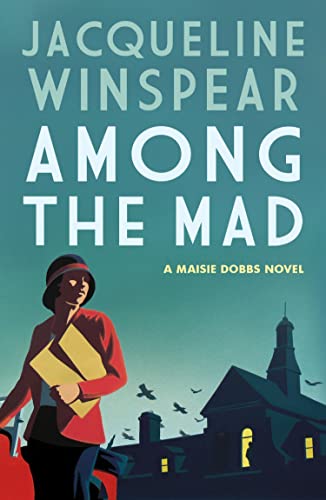



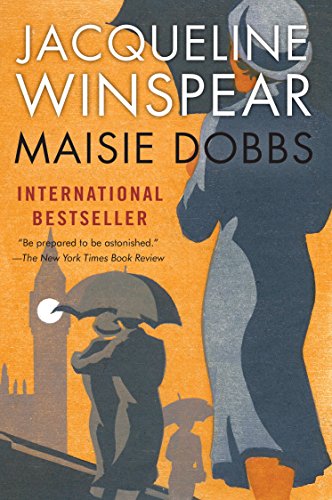






 Jacqueline Winspear
20 books
Jacqueline Winspear
20 books
 Anne Perry
72 books
Anne Perry
72 books
 Evelyn James
55 books
Evelyn James
55 books
 Sir Arthur Conan Doyle
24 books
Sir Arthur Conan Doyle
24 books
 Rhys Bowen
53 books
Rhys Bowen
53 books