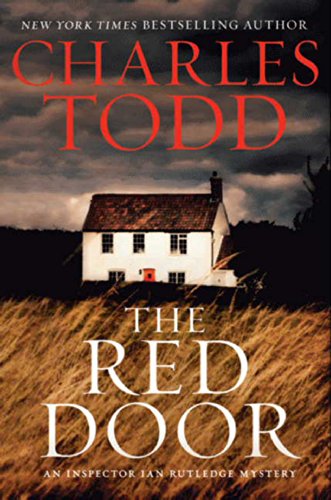
In June 1920, the investigation of a prominent man who disappears from a London clinic becomes linked to the murder of a woman behind the red door she painted for a husband who never returned from the front. Rutledge moves between a family anxious to control scandal and a village where absence has hardened into resentment. The two cases appear separate until concealed wartime movements reveal a common history.
The red door represents hope preserved beyond reason, but also the social expectation that wives and families should wait without question. The novel examines desertion, grief and the reinvention of identity after military service. Rutledge’s own divided life makes him particularly alert to those who have returned under a false version of themselves.












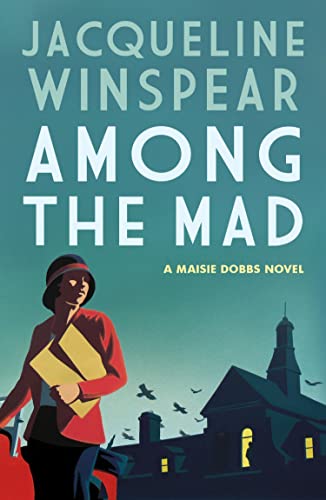




 Jacqueline Winspear
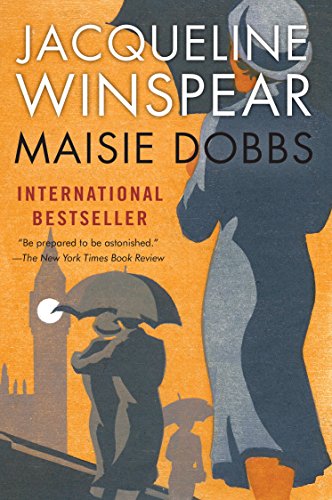
20 books
Jacqueline Winspear
20 books
 Anne Perry
72 books
Anne Perry
72 books
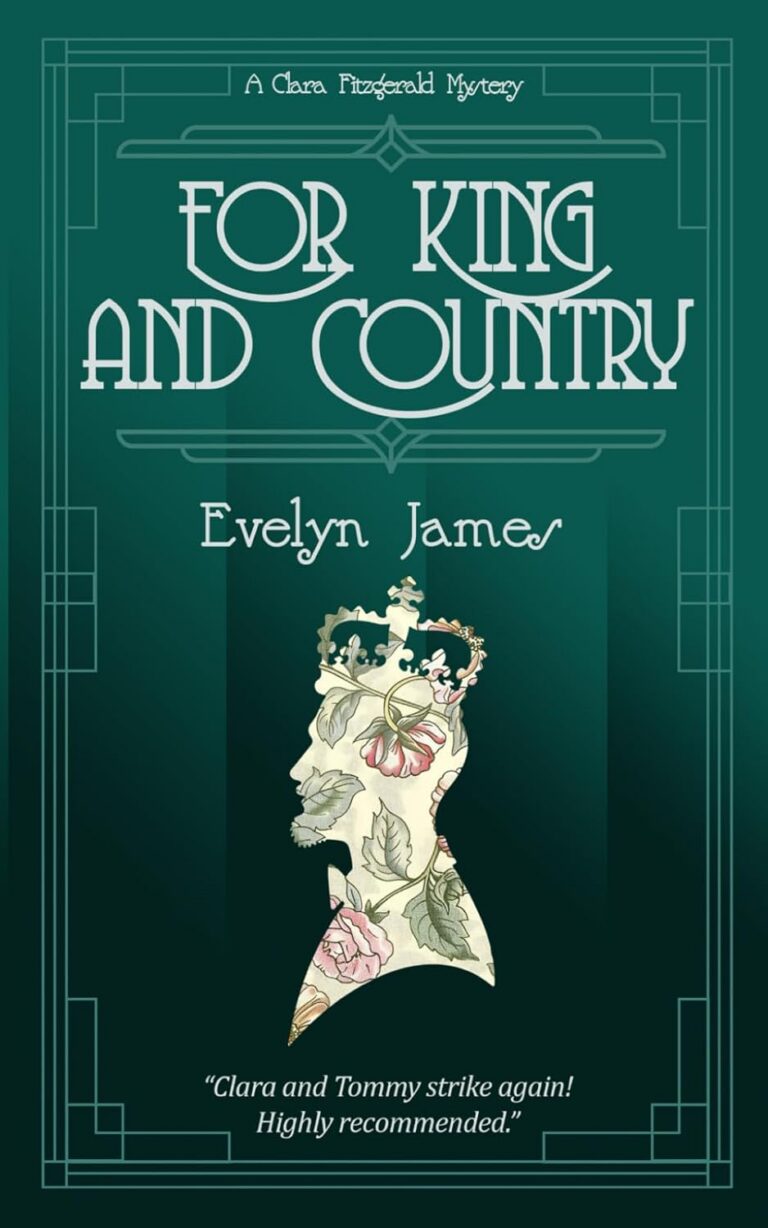
 Evelyn James
55 books
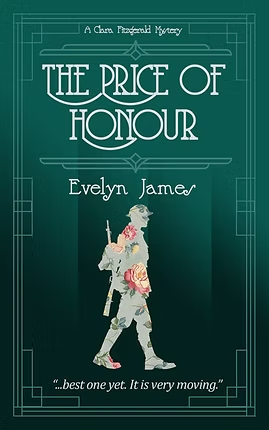
Evelyn James
55 books
 Sir Arthur Conan Doyle
24 books
Sir Arthur Conan Doyle
24 books
 Rhys Bowen
53 books
Rhys Bowen
53 books