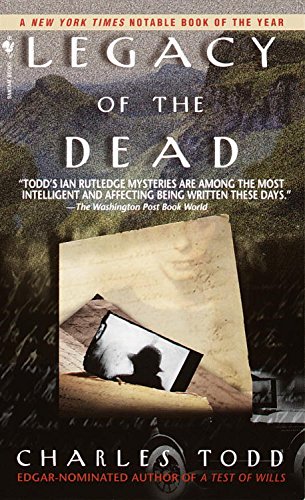
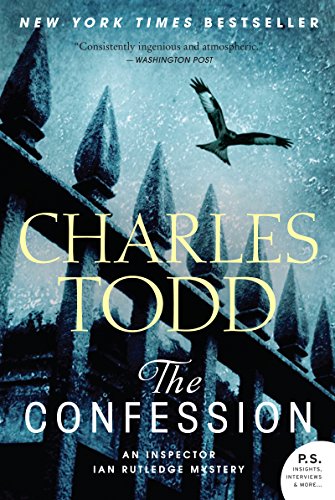
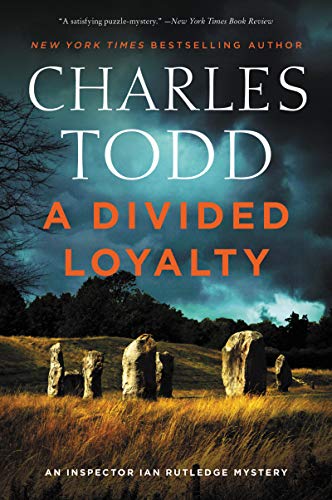
In August 1920, a man is shot during a society wedding at Ely Cathedral and another apparently unrelated victim is killed soon afterwards. A witness gives an implausible description, and the obvious suspect does not fit the pattern of the crimes. Rutledge gradually recognizes a connection to an episode he witnessed during the war, but using that memory may require him to choose between strict legality and preventing another death.
The novel examines the afterlife of battlefield decisions in civilian justice. Wartime expediency created actions that could not easily be judged by peacetime rules, while veterans carried knowledge that institutions preferred to forget. Rutledge must decide whether moral responsibility can be separated from the law he serves.




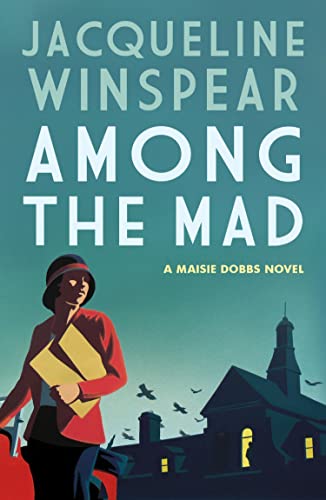
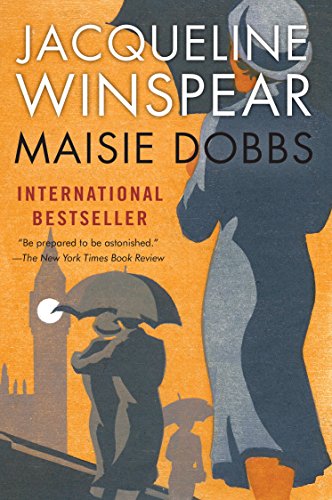

 Jacqueline Winspear
20 books
Jacqueline Winspear
20 books
 Anne Perry
72 books
Anne Perry
72 books
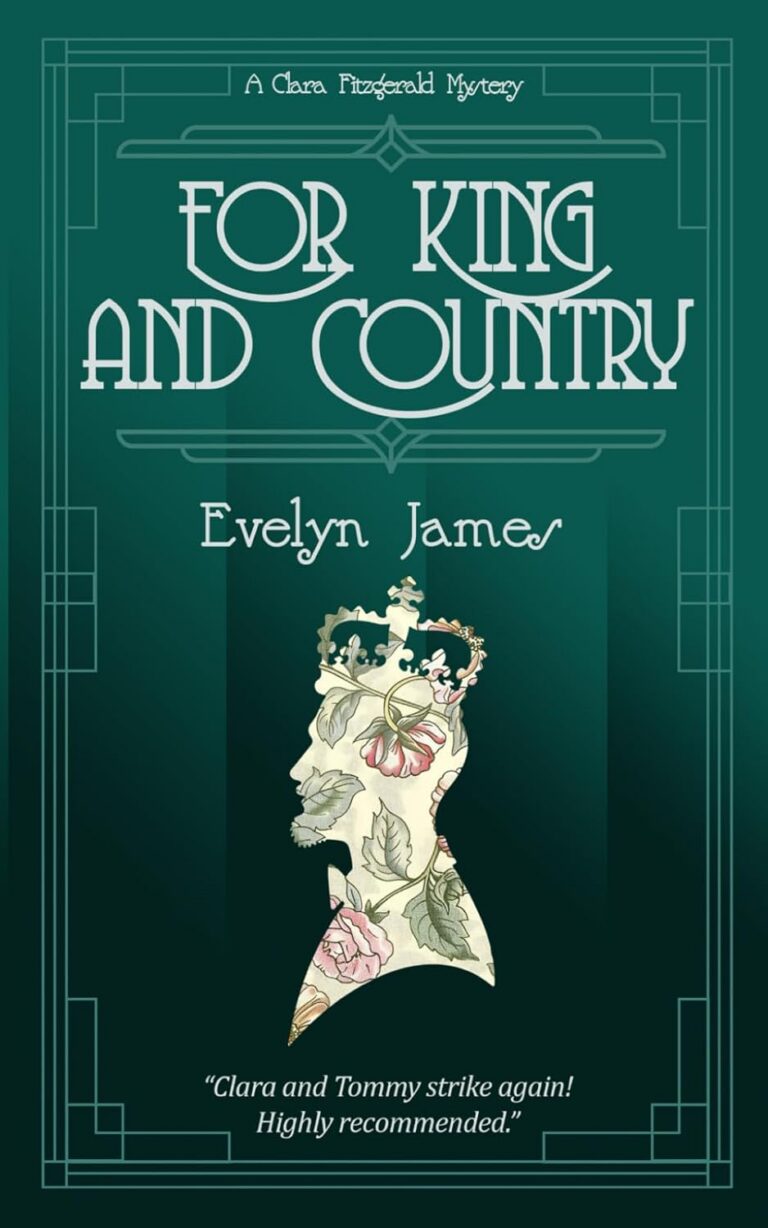
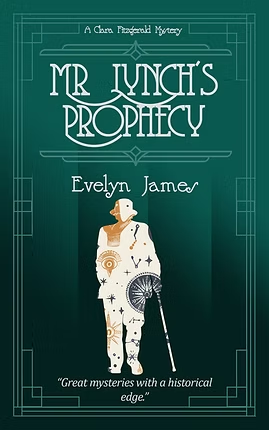
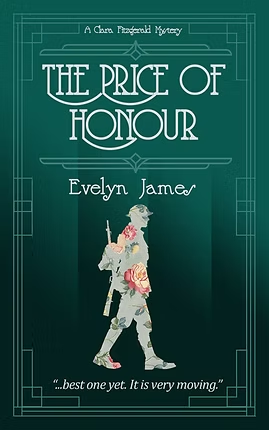
 Evelyn James
55 books
Evelyn James
55 books
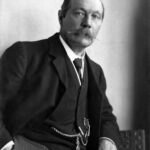 Sir Arthur Conan Doyle
24 books
Sir Arthur Conan Doyle
24 books
 Rhys Bowen
53 books
Rhys Bowen
53 books