Katherine Grey was a younger sister of Lady Jane Grey and a potential claimant to the English throne. Her secret marriage to Edward Seymour angered Elizabeth I and led to imprisonment, making her life part of the wider Tudor succession problem.
Katherine's place in the Tudor succession made her private life a matter of state. In 1560 she secretly married Edward Seymour, Earl of Hertford, without Elizabeth I's permission; when the marriage and pregnancy were discovered, both were imprisoned in the Tower. Their sons strengthened Katherine's potential dynastic claim, and the marriage was declared invalid. She remained under varying forms of confinement until her death in 1568.
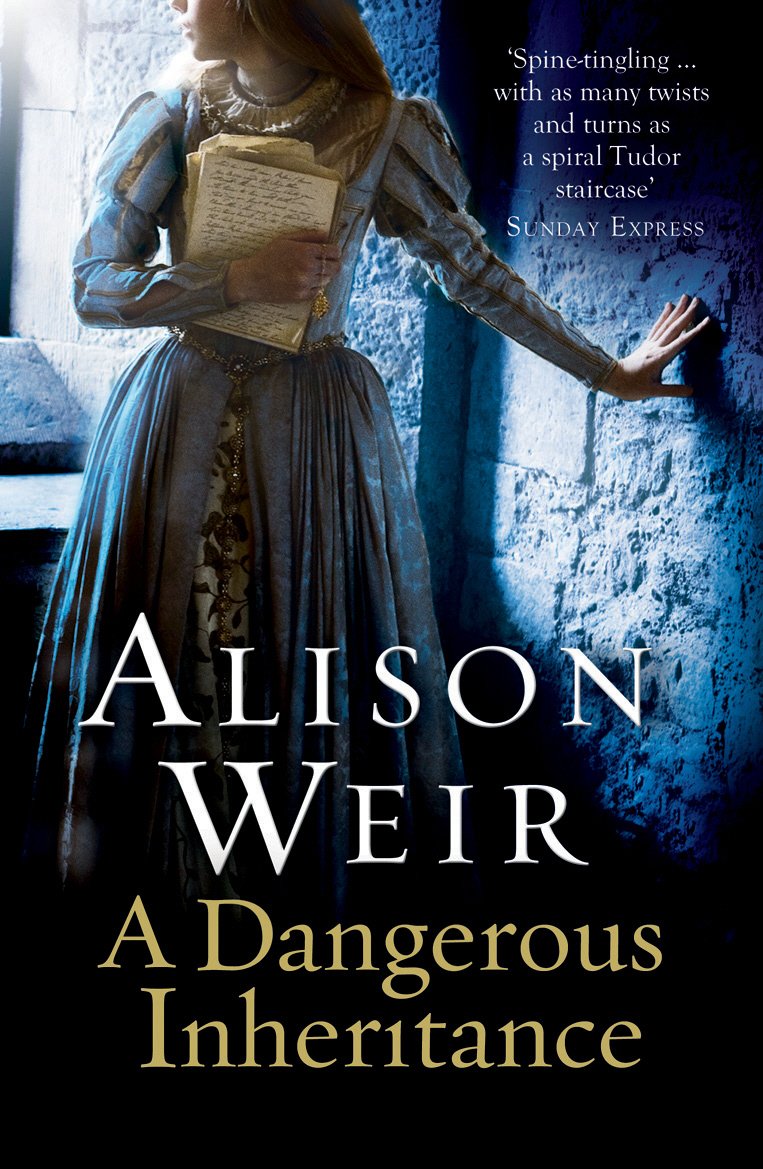
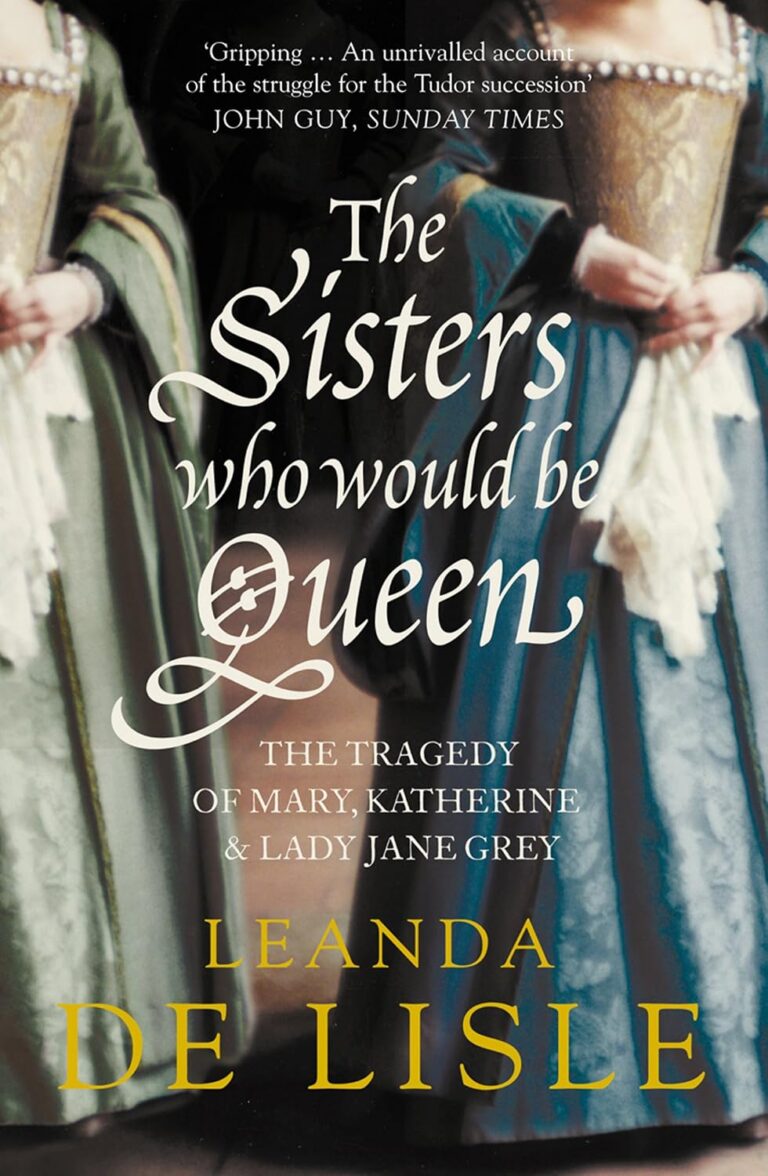
In Philippa Gregory’s The Last Tudor, Lady Jane Grey is placed on the throne after Edward VI’s death and executed under Mary I; Katherine Grey later makes a secret marriage that Elizabeth I treats as a direct threat. In Alison Weir’s A Dangerous Inheritance, Katherine Plantagenet seeks the truth about the Princes in the Tower after Richard III’s fall, while Katherine Grey secretly marries under Elizabeth I and is imprisoned for producing a possible heir. In Leanda de Lisle’s The Sisters Who Would Be Queen, this triple biography follows Lady Jane Grey and her younger sisters Katherine and Mary, granddaughters of Henry VIII’s sister Mary Tudor and therefore potential heirs to the English crown. De Lisle reassesses Jane’s education, religious convictions and brief reign during the succession crisis of 1553, arguing against the familiar image of a passive child manipulated entirely by older men. Jane’s fall and execution form only the first part of the family story.