Chronicles of Brother Cadfael in Order
The Chronicles of Brother Cadfael follow a former soldier and crusader who has become the herbalist of Shrewsbury Abbey. Between 1137 and 1145, Cadfael investigates deaths, disappearances and disputed identities while working within the rhythms of Benedictine life and the law of medieval England. The twenty novels unfold…
All books in this series
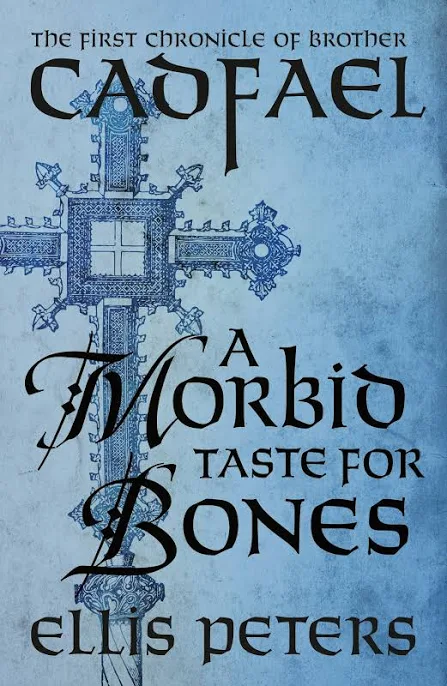
1. A Morbid Taste for Bones
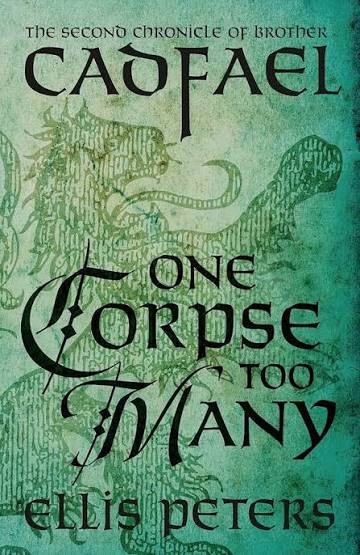
2. One Corpse Too Many

3. Monk’s Hood
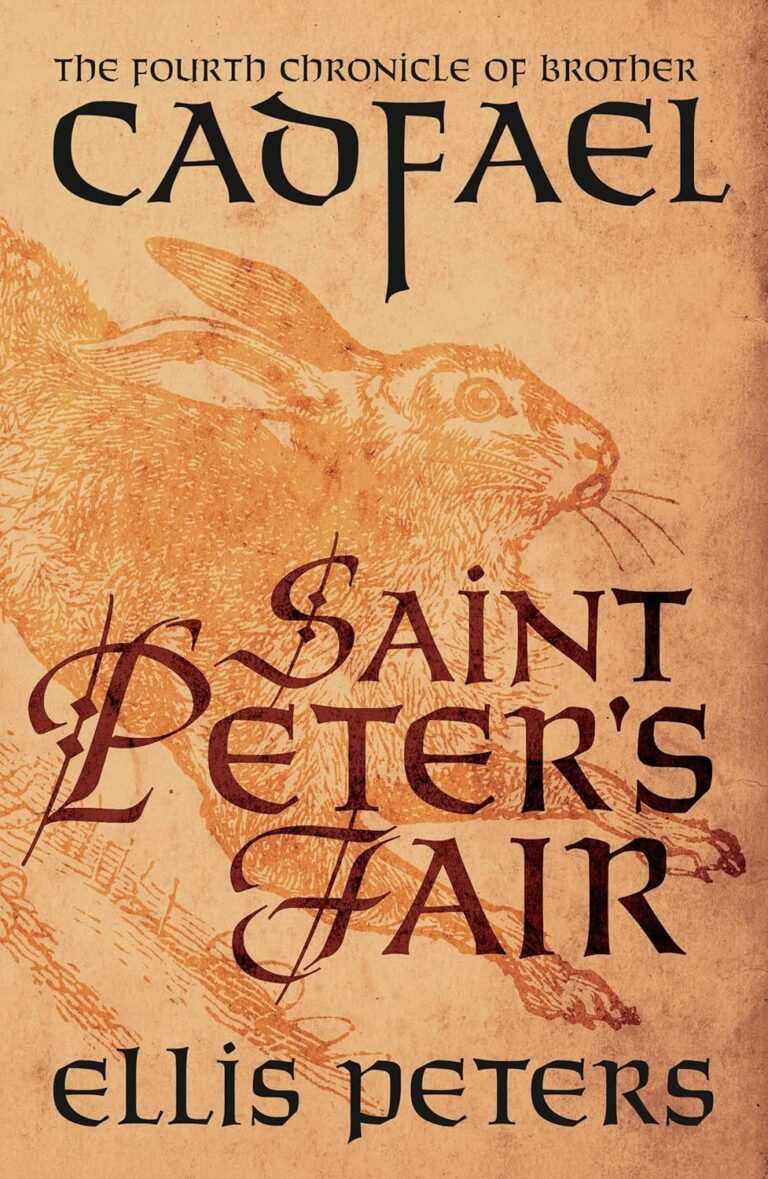
4. Saint Peter’s Fair

6. The Virgin in the Ice

7. The Sanctuary Sparrow

8. The Devil’s Novice

9. Dead Man’s Ransom

10. The Pilgrim of Hate

11. An Excellent Mystery

12. The Raven in the Foregate

13. The Rose Rent

14. The Hermit of Eyton Forest

15. The Confession of Brother Haluin

16. The Heretic’s Apprentice

17. The Potter’s Field

18. The Summer of the Danes

19. The Holy Thief