fl. fifth century
Ambrosius Aurelianus was a post-Roman British leader credited by Gildas with organising resistance after a period of severe Saxon attacks. He is one of the few named leaders associated with the recovery of British resistance in the fifth century.
The sixth-century writer Gildas presents Ambrosius as a Roman-descended leader who rallied Britons after devastating Saxon attacks, while later medieval writers greatly expanded his role and connected him with Arthurian tradition.
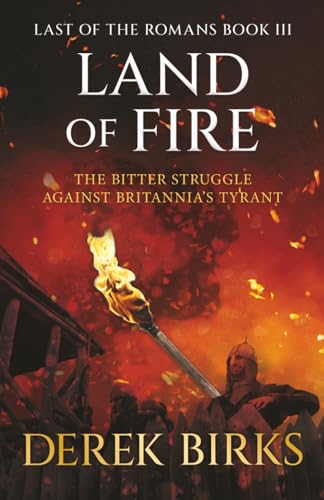
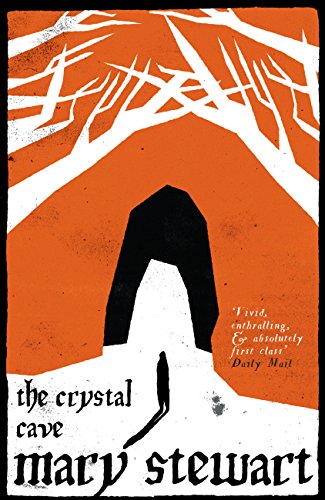
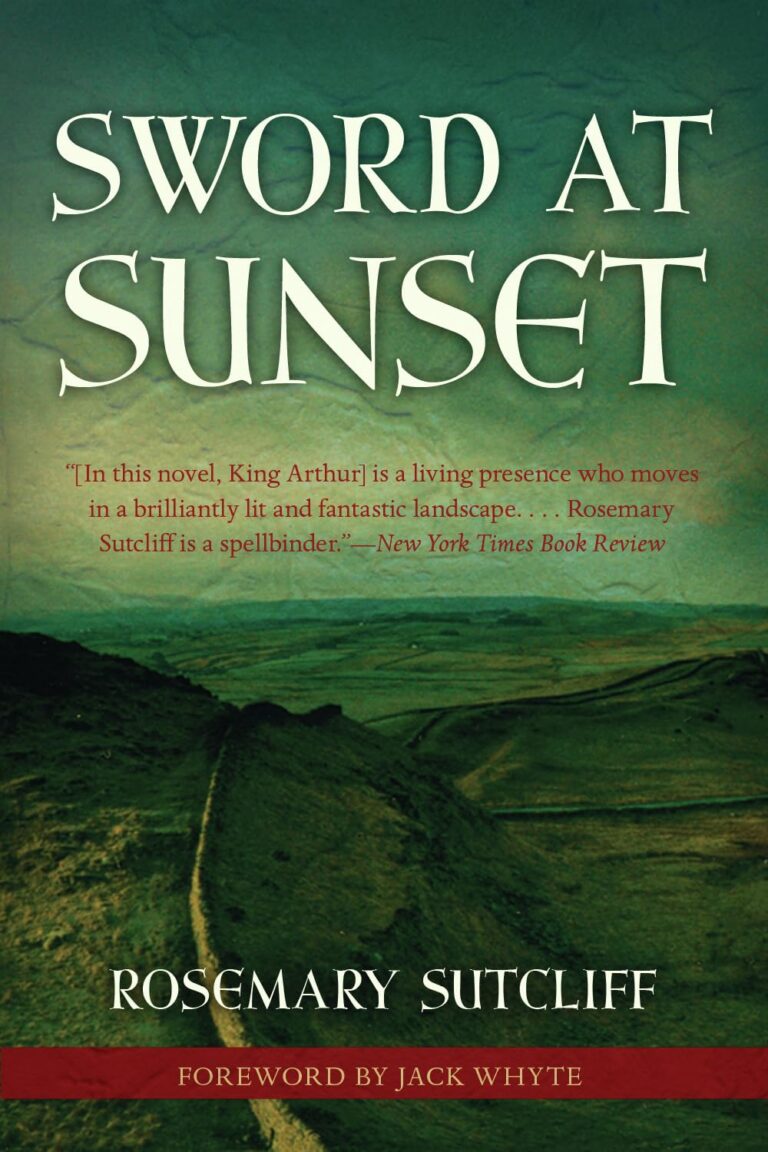
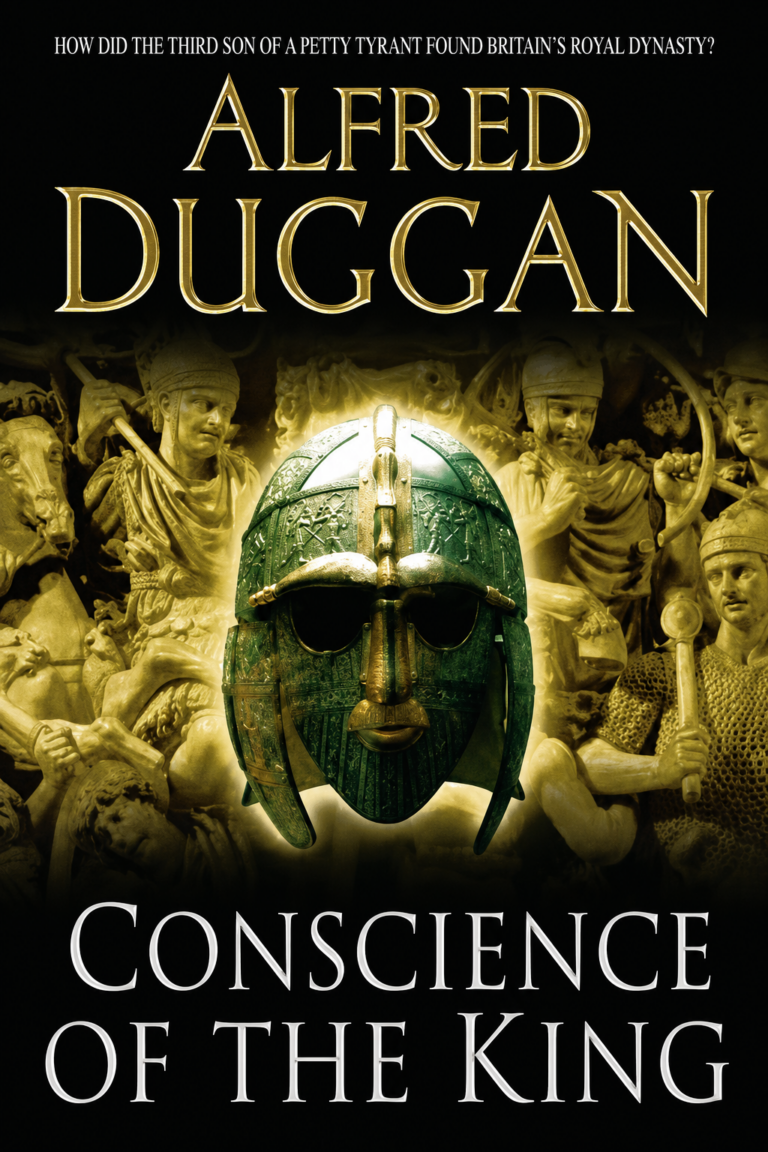
Derek Birks’s Britannia makes Ambrosius Aurelianus a Roman commander driven into Britain in 454, where imperial collapse forces him to build power among competing British factions. Alfred Duggan’s Conscience of the King presents him from Cerdic’s calculating viewpoint as one of the rulers whose service can be exploited in the struggle between British and Saxon warlords. Rosemary Sutcliff’s Sword at Sunset and The Lantern Bearers place an Ambrosian resistance at the centre of post-Roman Britain, while Mary Stewart’s The Crystal Cave places Ambrosius in the political background from which her version of Arthurian Britain emerges.