Henry II’s marriage to Eleanor of Aquitaine joined vast lands and gave the Angevin dynasty extraordinary reach. Their court was marked by political energy, legal reform, cultural patronage, family rivalry, and repeated rebellion by their sons. Eleanor’s status as Duchess of Aquitaine made her one of the most significant political figures of medieval Europe.
This phase matters because it places family conflict at the centre of international politics. The quarrels between Henry, Eleanor, Richard, Geoffrey, and John were not private drama alone; they reshaped territories, alliances, and royal authority. It also highlights the political power noblewomen could wield through land, marriage, patronage, and motherhood.
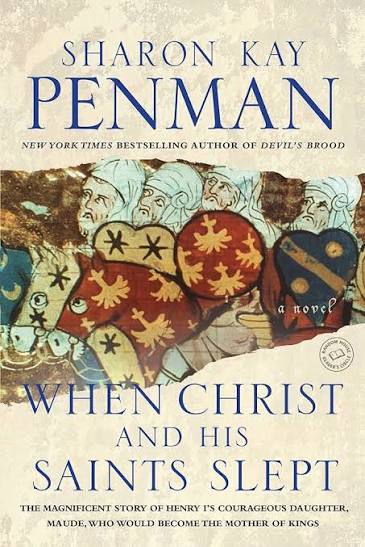
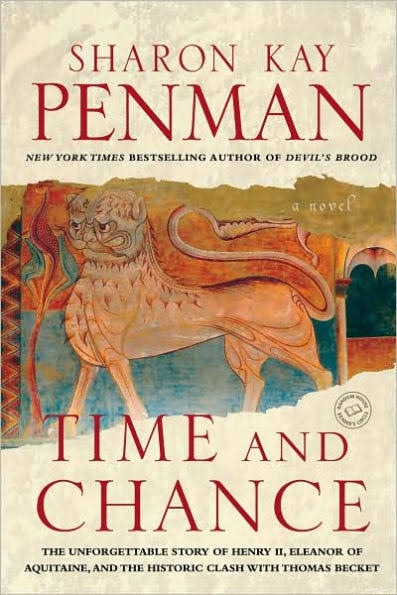
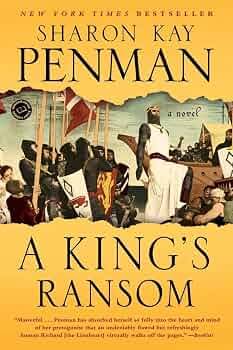
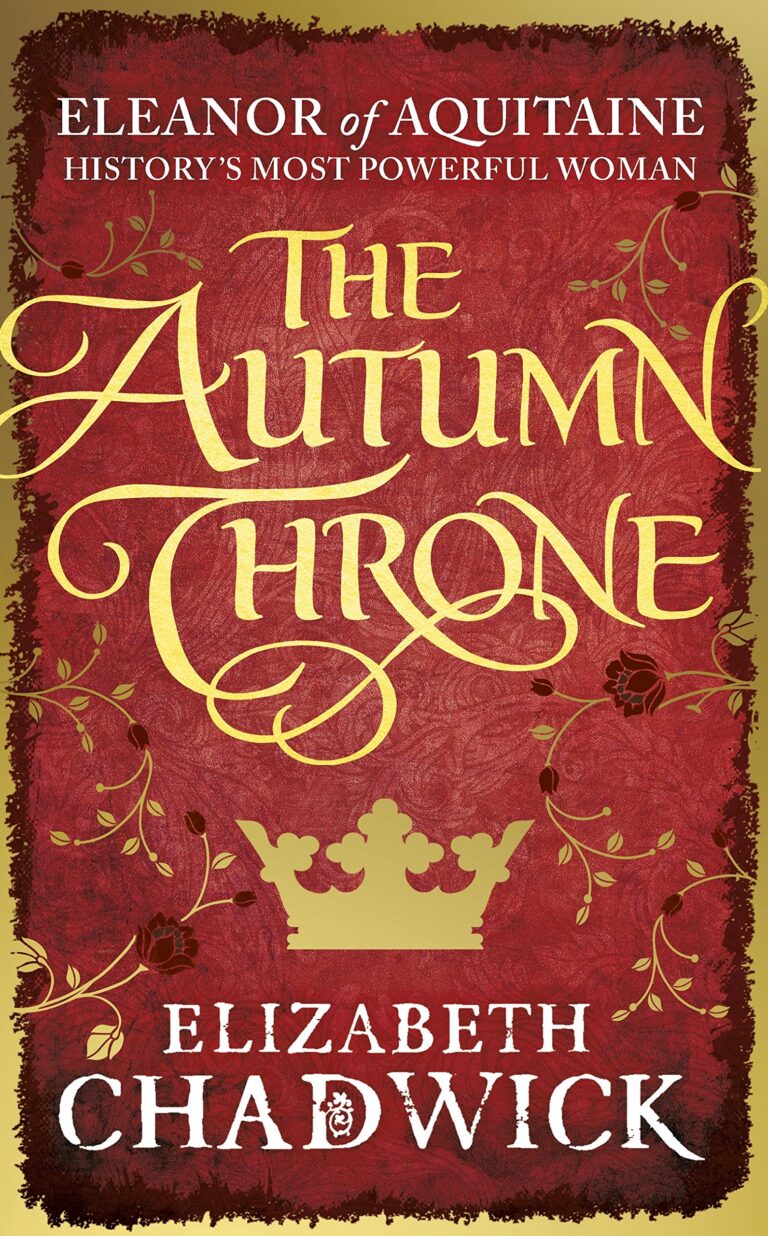
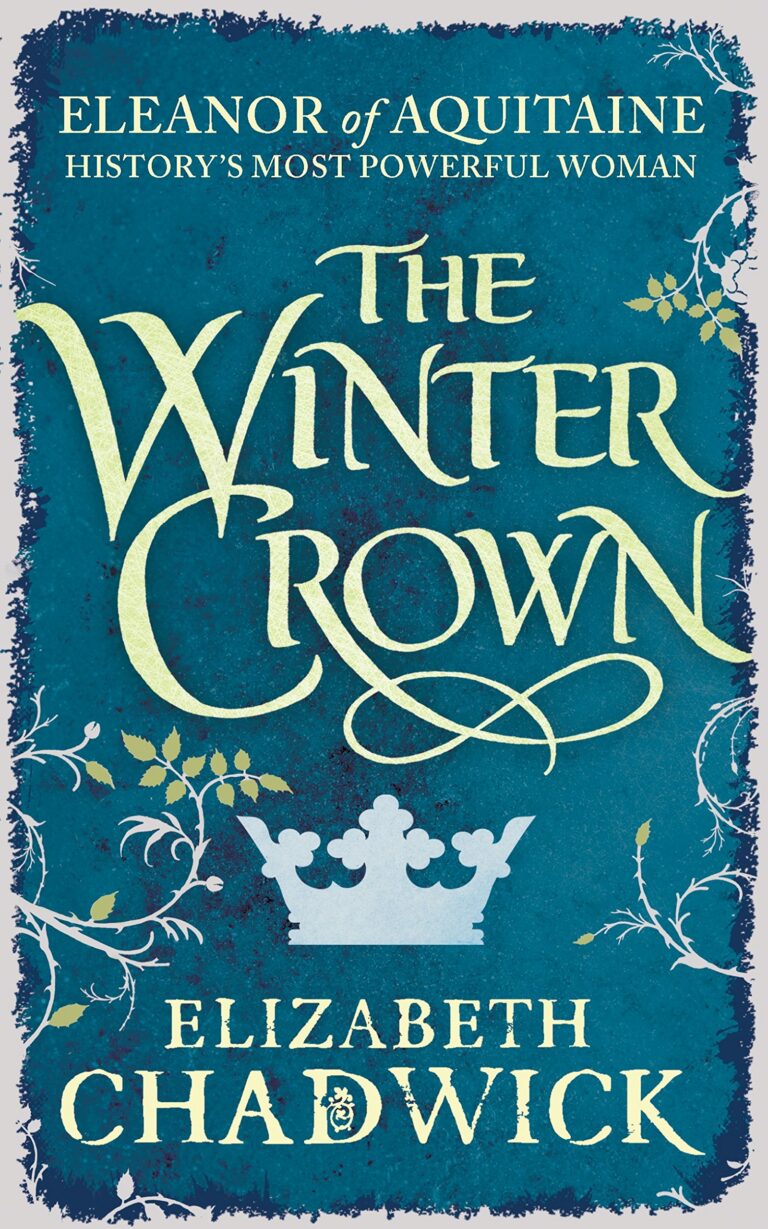
Sharon Kay Penman’s When Christ and His Saints Slept and Time and Chance, Elizabeth Chadwick’s William Marshal novels, and works by Jean Plaidy and Alison Weir use the Angevin court as a major setting. The material suits series about marriage as politics, rebellious heirs, court diplomacy, queenship, and the strain of ruling across multiple lands.