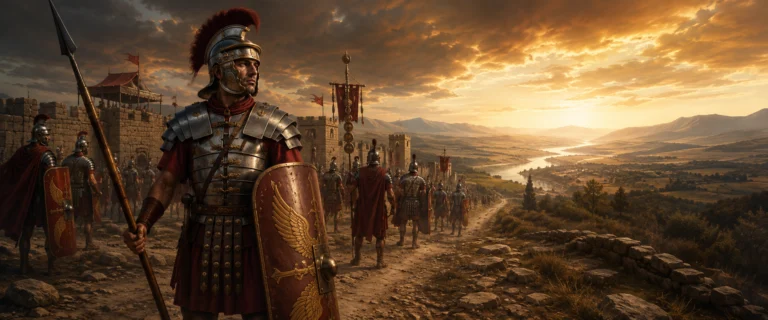
Ancient World
c. 3.3 million BCE–550 CE
Ancient World spans human prehistory and the early civilisations of Africa, Asia, the Near East and Mediterranean through the late-antique transition of the sixth century.

As an Amazon Associate I earn from qualifying purchases. Affiliate disclosure.
Historical Bookshelf
Browse the main historical periods and settings used across the book catalogue. Each top-level context shows its immediate child contexts so broad areas such as American history can be explored quickly.
c. 3.3 million BCE–550 CE
Ancient World spans human prehistory and the early civilisations of Africa, Asia, the Near East and Mediterranean through the late-antique transition of the sixth century.
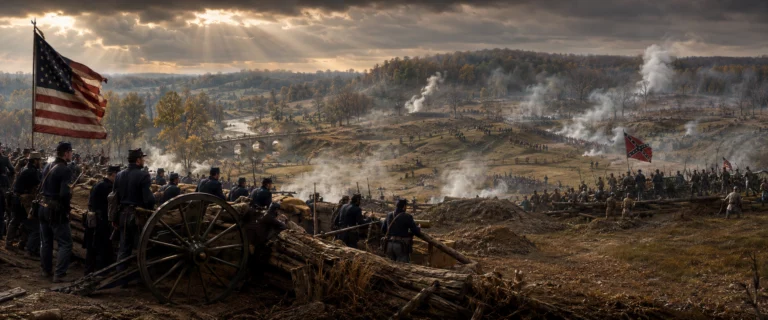
c. 15,000 BCE–present
History of the Americas brings together Indigenous, pre-Columbian, colonial, revolutionary, national and modern settings across North, Central and South America and the Caribbean.

c. 221 BCE–present
Asian History is a geographic gateway to long-running histories of China, Japan, India, Southeast Asia and West Asia that do not fit neatly within a single chronological period.
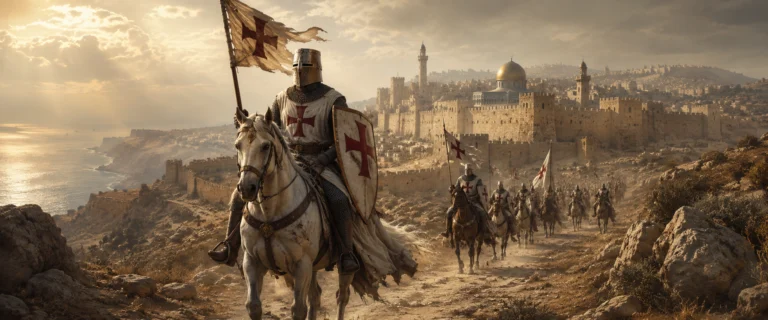
c. 476–1500 CE
The Medieval Period covers the centuries between the end of the western Roman world and the beginning of the early modern age.

c. 1300–1789 CE
Renaissance and Early Modern Europe covers the cultural, political, religious and dynastic world of Europe from the Renaissance into the age of states, exploration and reform.
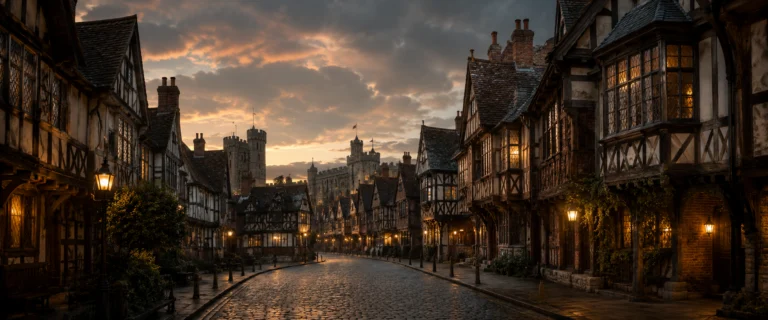
1485–1714 CE
Tudor and Stuart Britain covers the transformation of England, Scotland, Ireland and Wales from late medieval monarchy into an early modern state shaped by Reformation, civil war, empire and revolution.
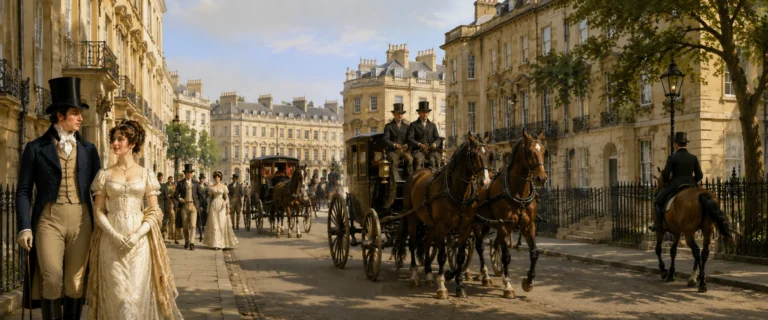
1714–1837 CE
Georgian and Regency Britain covers the Hanoverian age, from the accession of George I to the early Victorian threshold.
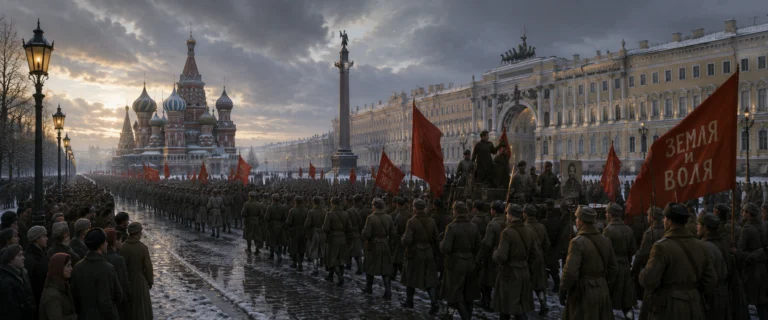
1721–1991 CE
Russian Empire and Revolution covers imperial expansion, reform, autocracy, war, revolutionary collapse and the Soviet state through 1991.
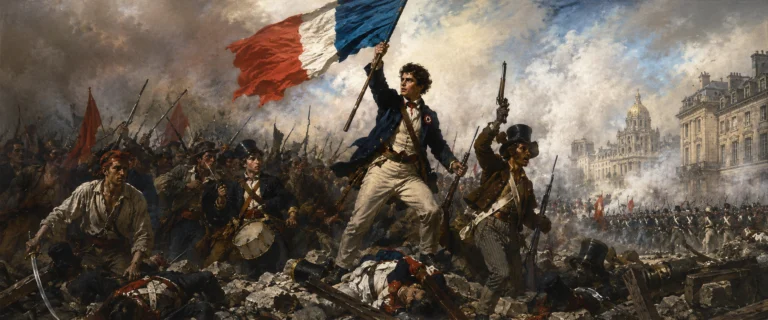
1763–1848 CE
The Age of Revolutions links the American, French, Haitian, Napoleonic and Spanish American upheavals that transformed the Atlantic world.
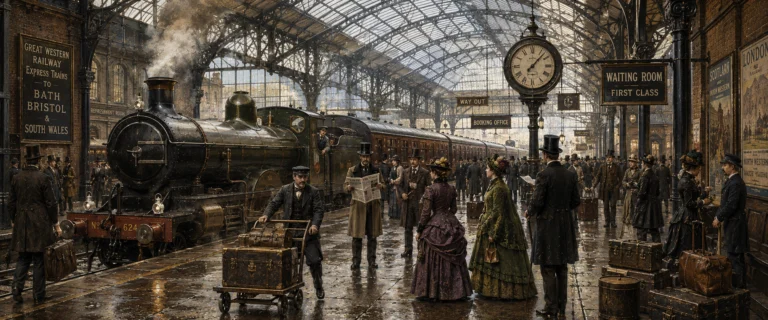
1789–1914 CE
The Long Nineteenth Century covers 1789–1914, from the French Revolution to the outbreak of World War I, an age of industrialisation, nationalism, imperial expansion and mass politics.
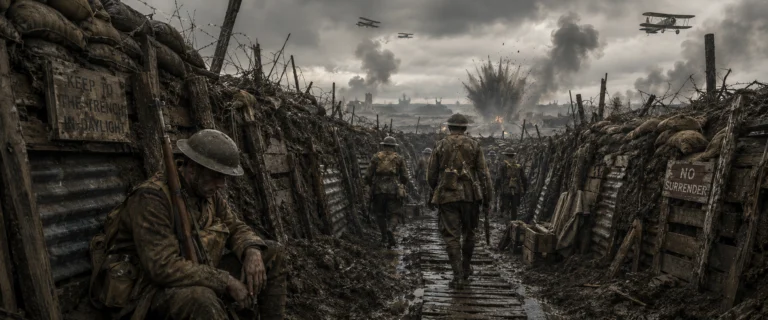
1914–1939 CE
World War I and the Interwar Era covers the First World War and the unstable decades that followed it.
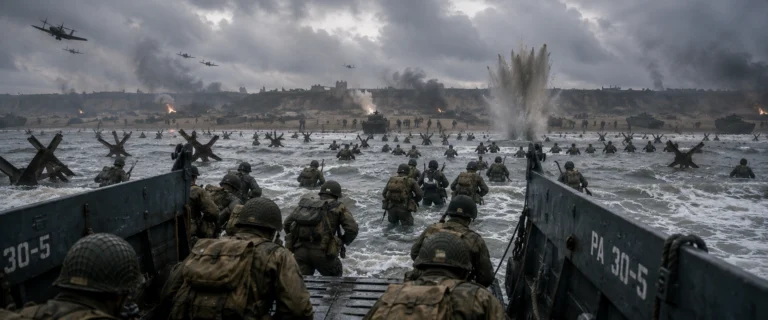
1939–1945 CE
World War II was a global conflict involving the Axis and Allied powers across multiple theatres.
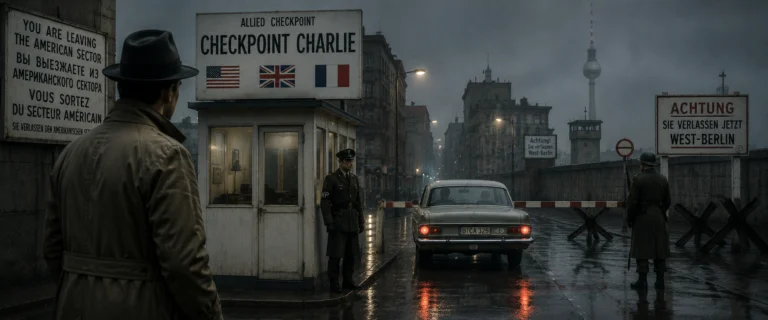
1945–present
The Cold War and post-war era covers superpower rivalry after 1945 and the political, social and military aftermath that continued beyond the Soviet Union’s collapse.