Lucky Luciano, born Salvatore Lucania in Sicily in 1897, immigrated with his family to New York as a child and became a major figure in organised crime during Prohibition. He rose through gambling, protection and bootlegging networks and survived a violent underworld struggle that culminated in the Castellammarese War of 1930–31. Luciano helped replace the old pattern of competing personal bosses with a more coordinated structure commonly described as the Commission, linking several Italian-American crime families while reducing open warfare among them.
In 1936 New York prosecutor Thomas E. Dewey secured Luciano’s conviction on compulsory-prostitution charges and he received a long prison sentence. During the Second World War American authorities used contacts in the waterfront underworld in security arrangements later associated with Luciano, although subsequent claims about the scale of his wartime assistance became exaggerated. Governor Dewey commuted his sentence in 1946 on condition that he be deported to Italy. Luciano remained influential in international criminal networks but could not legally return to the United States. He died of a heart attack in Naples in 1962.
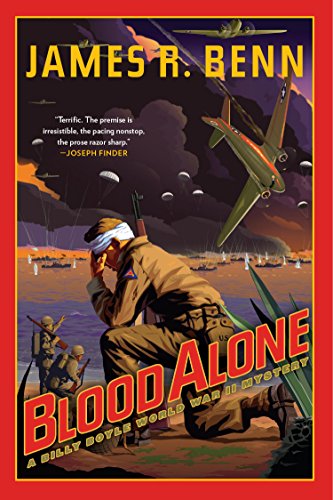
In James R. Benn’s Blood Alone, A yellow silk handkerchief marked with the initial L gradually leads him back to his mission: he was sent ahead of the Allied invasion to use a token from Lucky Luciano and make contact with the Sicilian Mafia. In Vincent B. Davis II’s Blood of the Sons, The appearance of figures such as Lucky Luciano and Al Capone places the fictional Consentino family alongside the real gangland networks that reshaped American criminal power between the 1920s and 1930s.