Gratian was Roman emperor in the West from the fourth century and a ruler during the increasingly Christianised late empire. His reign included military pressure on the frontiers, religious policy against pagan institutions and eventual overthrow by Magnus Maximus.
Gratian was born in Sirmium and died in Lugdunum. Gratian became senior western emperor after the death of his father Valentinian I, promoted Nicene Christianity and removed some traditional pagan privileges; the usurper Magnus Maximus invaded Gaul in 383 and Gratian was captured and killed.
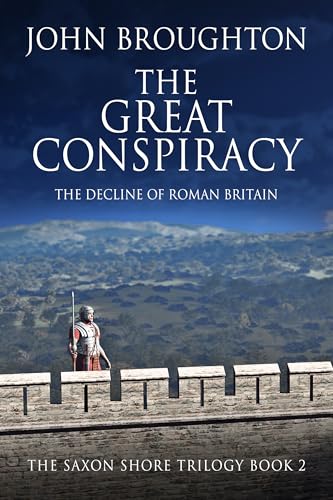
Gordon Doherty’s The Scourge of Thracia places Gratian as the western emperor whose army is expected to reinforce Valens during the Gothic crisis of 377–78, while Gods & Emperors makes the failure of the two imperial forces to combine in time part of the road to Adrianople. The Blood Road turns Gratian’s later arrival into a source of both hope and danger for soldiers who distrust his political intentions. In Dark Eagle, Pavo openly blames Gratian for manipulation and concealed deaths after the Gothic settlement, turning imperial policy into a personal vendetta. John Broughton’s The Great Conspiracy places Gratian’s reign against the later instability of Roman Britain and the ambitions of Magnus Maximus, showing how frontier service, imperial legitimacy and usurpation become increasingly difficult to separate.