Sir Philip Sidney was an English courtier, diplomat, soldier and writer whose short life became an enduring Elizabethan ideal of Protestant chivalry. Born at Penshurst in 1554 into a family closely connected with royal service, he travelled extensively in Europe and entered the political world of Elizabeth I’s court. His literary work included the prose romance Arcadia, the sonnet sequence Astrophil and Stella and the critical Defence of Poesy.
Sidney supported militant Protestant intervention in the Netherlands and served there during England’s campaign against Spain. In September 1586 he was shot in the thigh during fighting near Zutphen and died at Arnhem on 17 October after weeks of illness. His elaborate funeral and the literary tributes that followed helped transform him into a model courtier-soldier. The famous story that he gave water to another wounded man is early but cannot be verified as a verbatim incident.
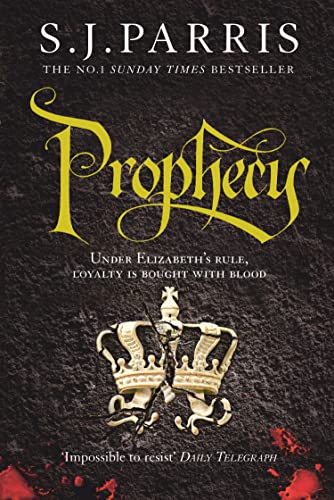
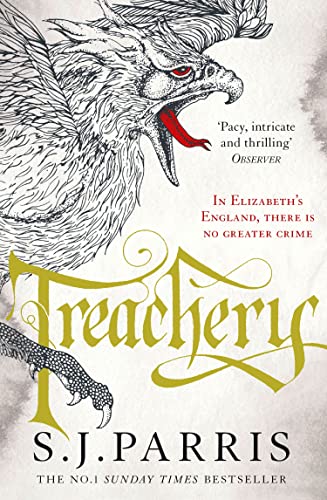
S. J. Parris makes Sidney a close associate of Giordano Bruno in Heresy, Prophecy and Treachery, placing the historical courtier within espionage plots connected to Elizabethan religion and diplomacy. Tony Riches’ Frances – Tudor Countess and Penelope – Tudor Baroness approach Sidney through his family circle, while Elizabeth Fremantle’s Watch the Lady uses the same aristocratic and political world.