Giordano Bruno was an Italian philosopher, Dominican friar and cosmological thinker executed for heresy in Rome in 1600. His ideas about an infinite universe and his conflicts with church authority made him a powerful symbol of intellectual danger and dissent.
Giordano Bruno was born in Nola and died in Rome. Bruno’s cosmological and theological ideas brought him into repeated conflict with religious authorities as he travelled across Europe; arrested by the Roman Inquisition, he was tried for heresy and burned at the stake in Rome in 1600.
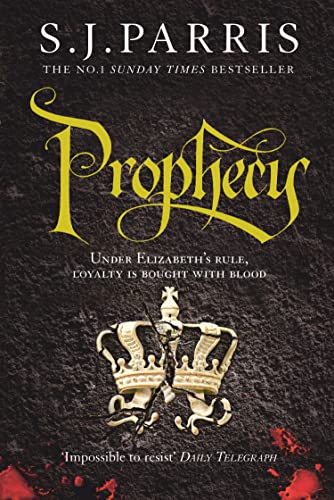
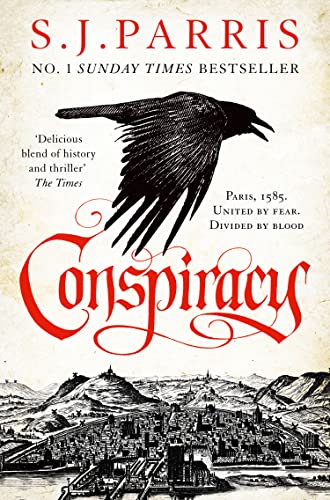
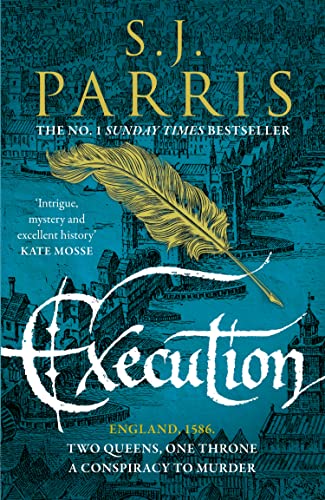
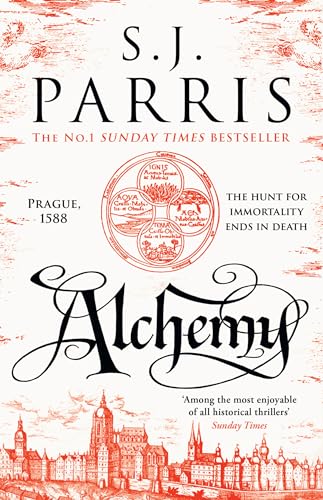
In S. J. Parris’ A Christmas Requiem, Rome, 1569. Giordano Bruno is summoned to demonstrate his extraordinary memory before Pope Pius V. In S. J. Parris’ Alchemy, Prague, 1588. Giordano Bruno arrives at the court of Rudolf II, where astronomers, physicians, alchemists and religious exiles compete for imperial favour. Sent as an agent for Elizabeth I, he finds the palace in turmoil after the murder of an alchemist. Rudolf orders Bruno to identify the killer, drawing him into disputes over patronage, faith and the search for the philosopher’s stone. Further fictional perspectives on Giordano Bruno can be found in S. J. Parris’ Conspiracy, S. J. Parris’ Execution, S. J. Parris’ Heresy, S. J. Parris’ Prophecy, and S. J. Parris’ The Academy of Secrets.