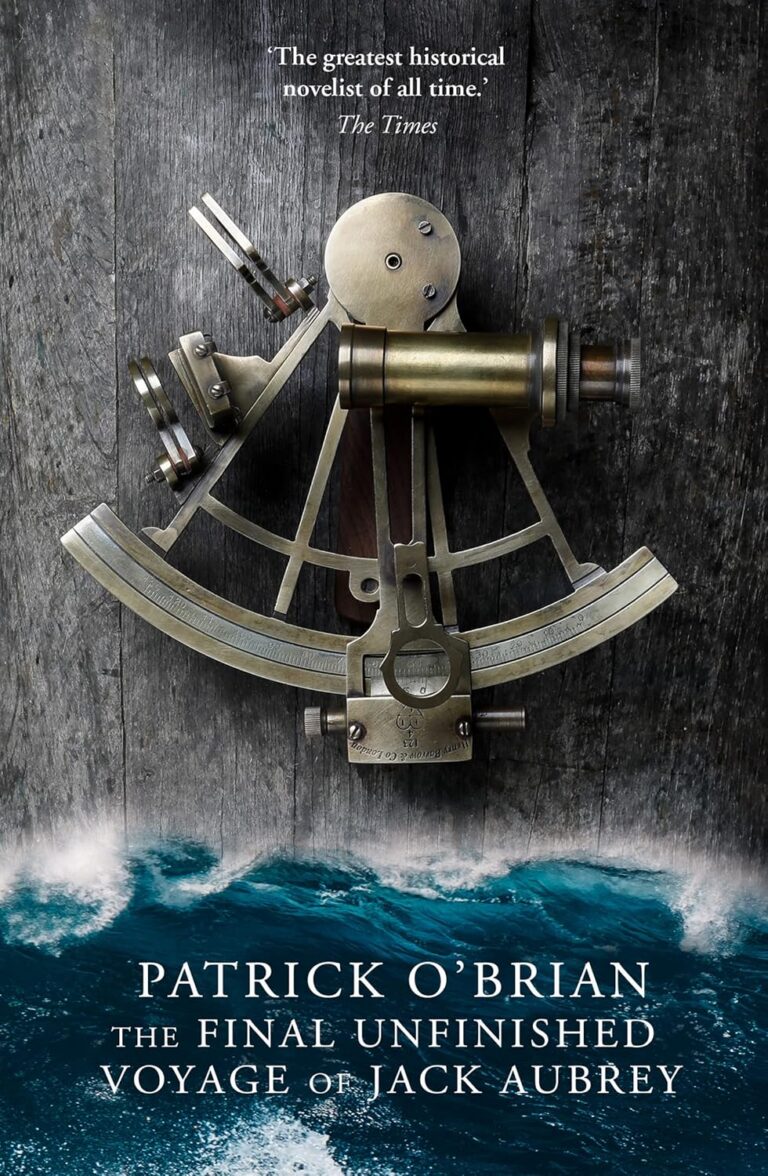
Aubrey–Maturin Novels in Order
The Aubrey–Maturin novels follow Royal Navy officer Jack Aubrey and surgeon, naturalist and intelligence agent Stephen Maturin from the wars against Revolutionary and Napoleonic France through the War of 1812 and the first years after Waterloo. Across twenty completed novels, their friendship links shipboard command, espionage, science, domestic…
All books in this series
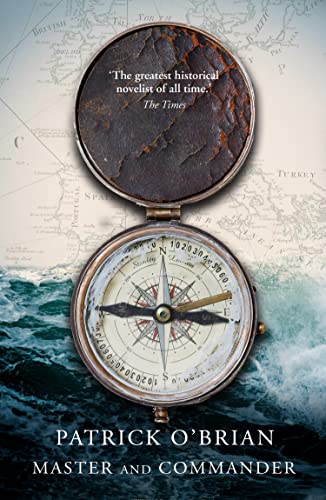
1. Master and Commander

2. Post Captain

3. HMS Surprise
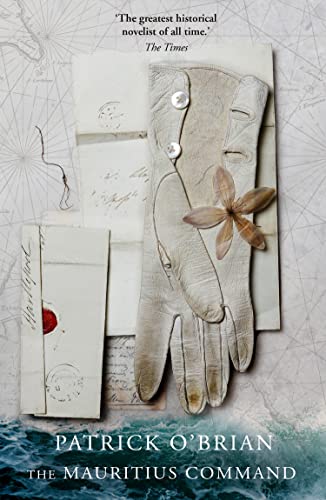
4. The Mauritius Command
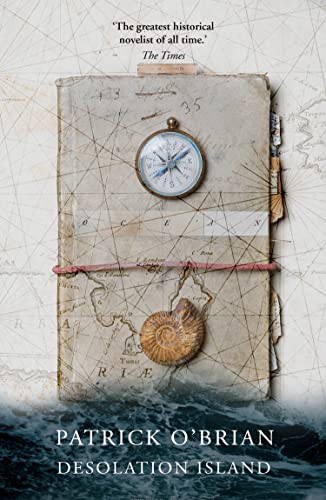
5. Desolation Island
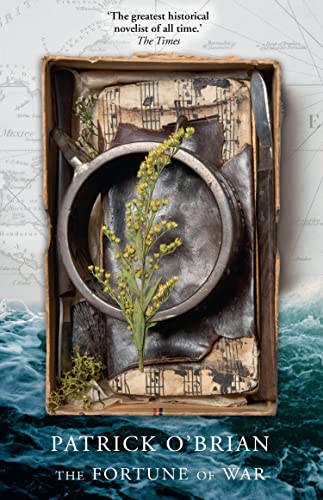
6. The Fortune of War
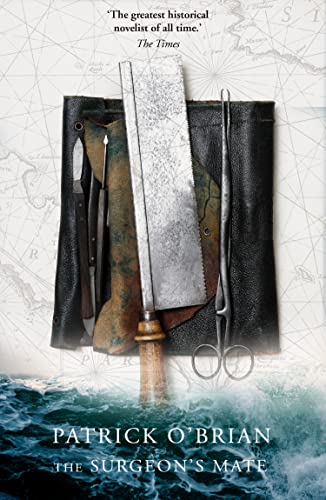
7. The Surgeon’s Mate

8. The Ionian Mission
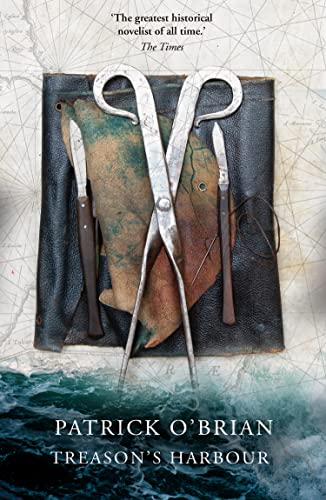
9. Treason’s Harbour

10. The Far Side of the World

11. The Reverse of the Medal
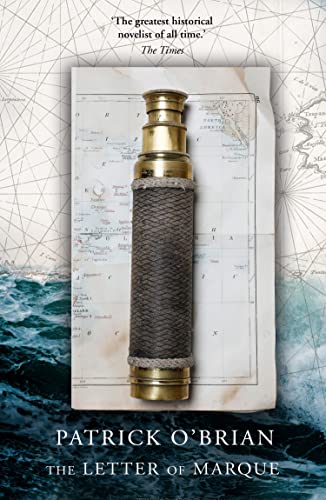
12. The Letter of Marque

13. The Thirteen-Gun Salute

14. The Nutmeg of Consolation

15. Clarissa Oakes

16. The Wine-Dark Sea

17. The Commodore

18. The Yellow Admiral

19. The Hundred Days
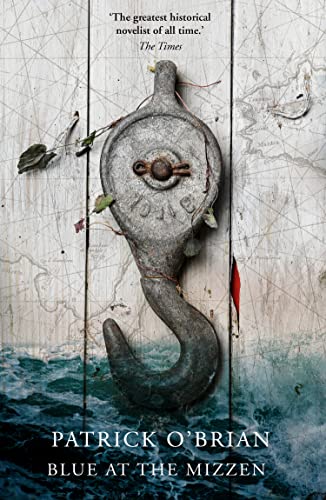
20. Blue at the Mizzen