James IV ruled Scotland from 1488 to 1513 and became one of the most energetic Renaissance monarchs in northern Europe. He strengthened royal justice, supported shipbuilding, artillery, education and printing, and maintained a court interested in medicine and science.
His marriage to Margaret Tudor created the dynastic link that eventually united the crowns. Bound by alliance with France, James invaded England and was killed with many nobles at Flodden. James IV was born in Holyrood Abbey and died in Northumberland.
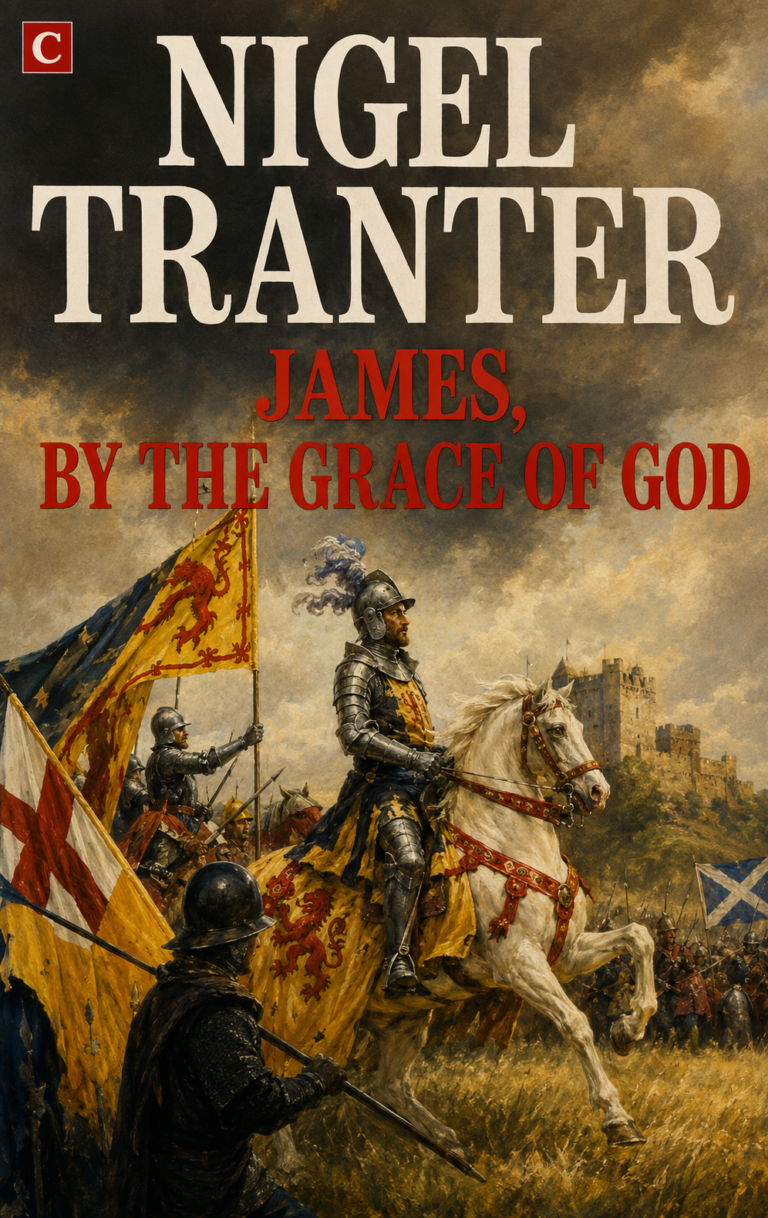
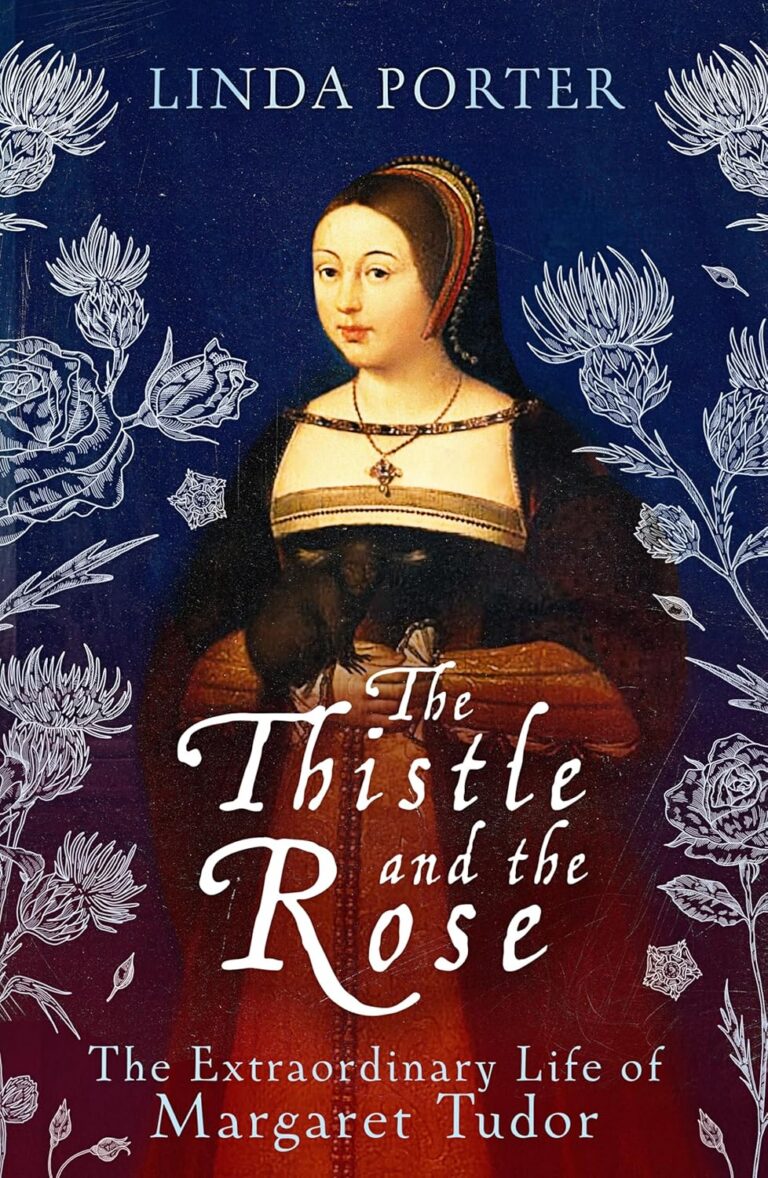
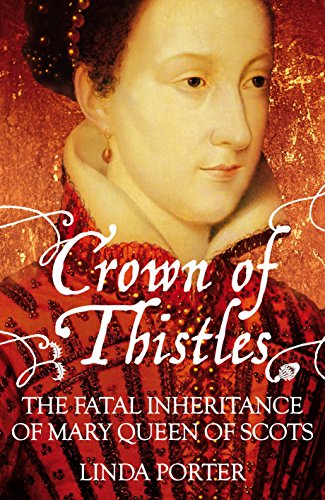
Nigel Tranter’s Chain of Destiny follows the teenage James IV from the rebellion that overthrows his father into the difficult work of becoming an independent king. Flame for the Fire brings James into the Kennedy family’s fortunes through his relationship with Janet Kennedy and the patronage politics of his court. Alison Weir’s The Pretender’s Wife shows him sheltering and recognising Perkin Warbeck, turning the claimant into an instrument of Scottish pressure on Henry VII. Linda Porter’s Crown of Thistles places James within the larger Tudor–Stewart dynastic contest, while The Thistle and the Rose follows his marriage to Margaret Tudor and the consequences of his death at Flodden for the young queen and their infant heir.