Richard, 3rd Duke of York, was a great-grandson of Edward III with a strong hereditary claim to the English throne. He served as lieutenant in France and Ireland and twice acted as protector during Henry VI’s mental incapacity. Conflict with Margaret of Anjou and rival nobles turned reform demands into dynastic war.
York formally claimed the crown in 1460 but accepted succession after Henry; he was killed at Wakefield before that settlement could take effect. Richard of York, 3rd Duke of York was born in Kings Langley and died in Battle of Wakefield.
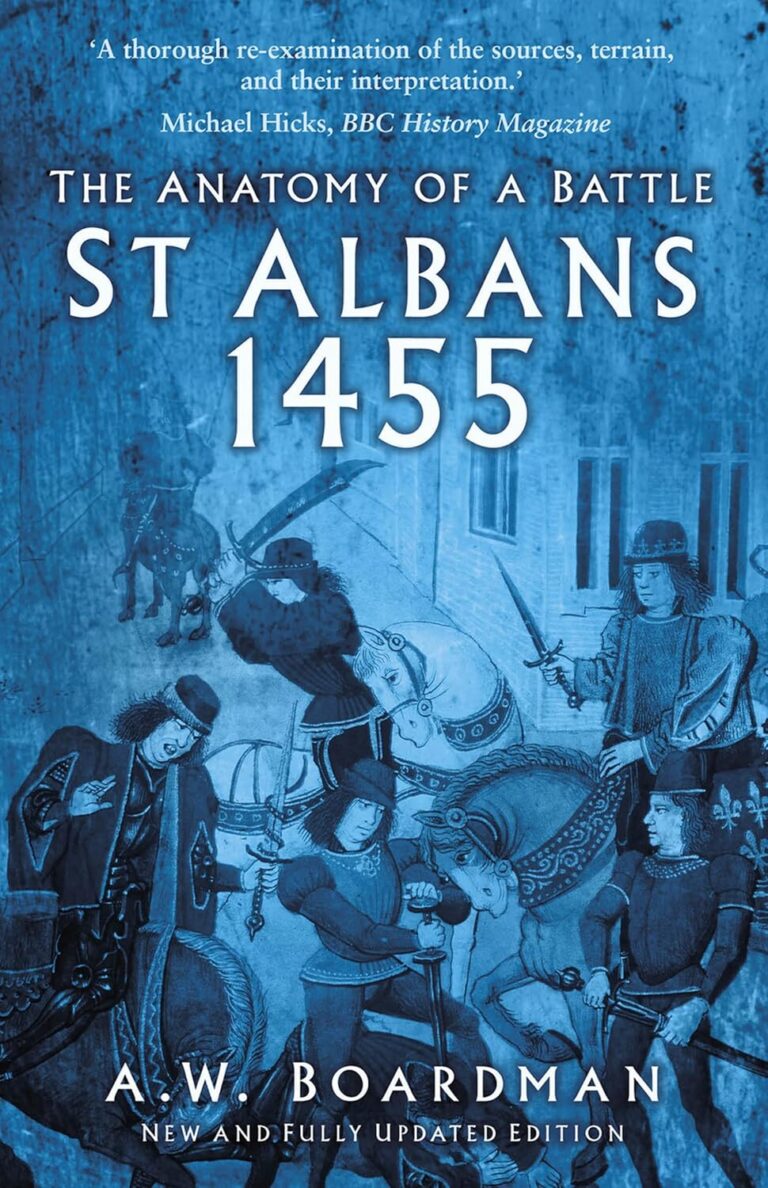
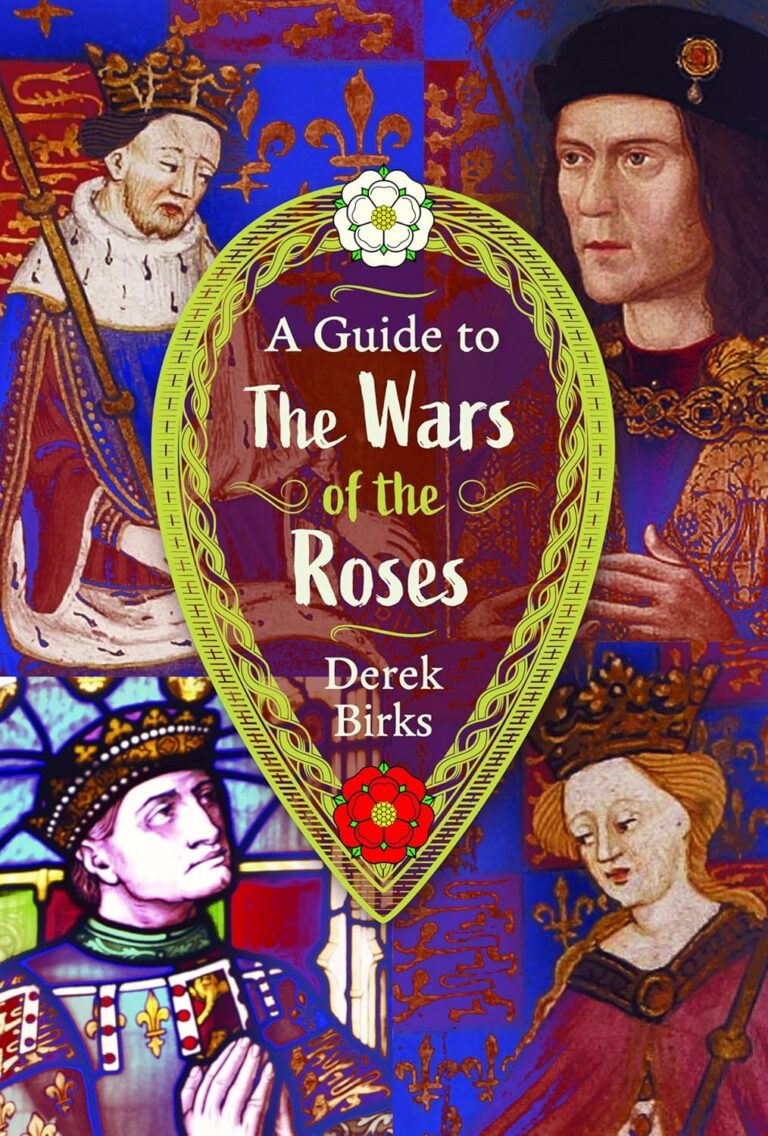
Derek Birks’s A Guide to the Wars of the Roses makes Richard of York’s rivalry with Somerset and challenge to Henry VI’s government the starting point for the political breakdown that becomes dynastic war. A. W. Boardman’s St Albans 1455 examines York’s armed confrontation with the royal party in the battle traditionally treated as the opening engagement of the Wars of the Roses. Anne Easter Smith’s Queen by Right views York through Cecily Neville and the family whose ambitions, losses and children will dominate the conflict. Joanna Hickson’s Red Rose, White Rose similarly places his marriage and household inside the growing split between Lancaster and York. Amy Licence’s Son of York (House of York) follows the family consequences of Richard’s claim and death as his sons inherit both his dynastic cause and his enemies.