Thomas Cranmer rose from Cambridge scholar and royal servant to become archbishop of Canterbury in 1533. He helped secure Henry VIII’s annulment from Catherine of Aragon, supported the royal supremacy and later shaped the English Reformation through the first two editions of the Book of Common Prayer.
Under Mary I he was convicted of heresy, briefly signed recantations and then dramatically withdrew them before being burned at Oxford in 1556. Thomas Cranmer also worked as Roman Catholic Archbishop of Canterbury. Thomas Cranmer was born in Aslockton and died in Oxford.
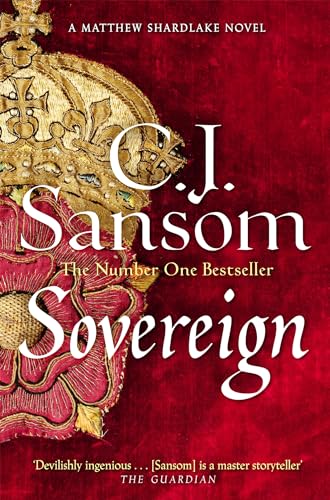
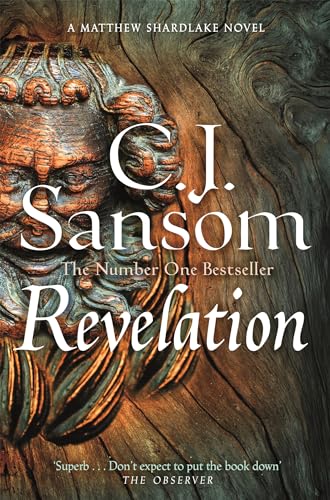
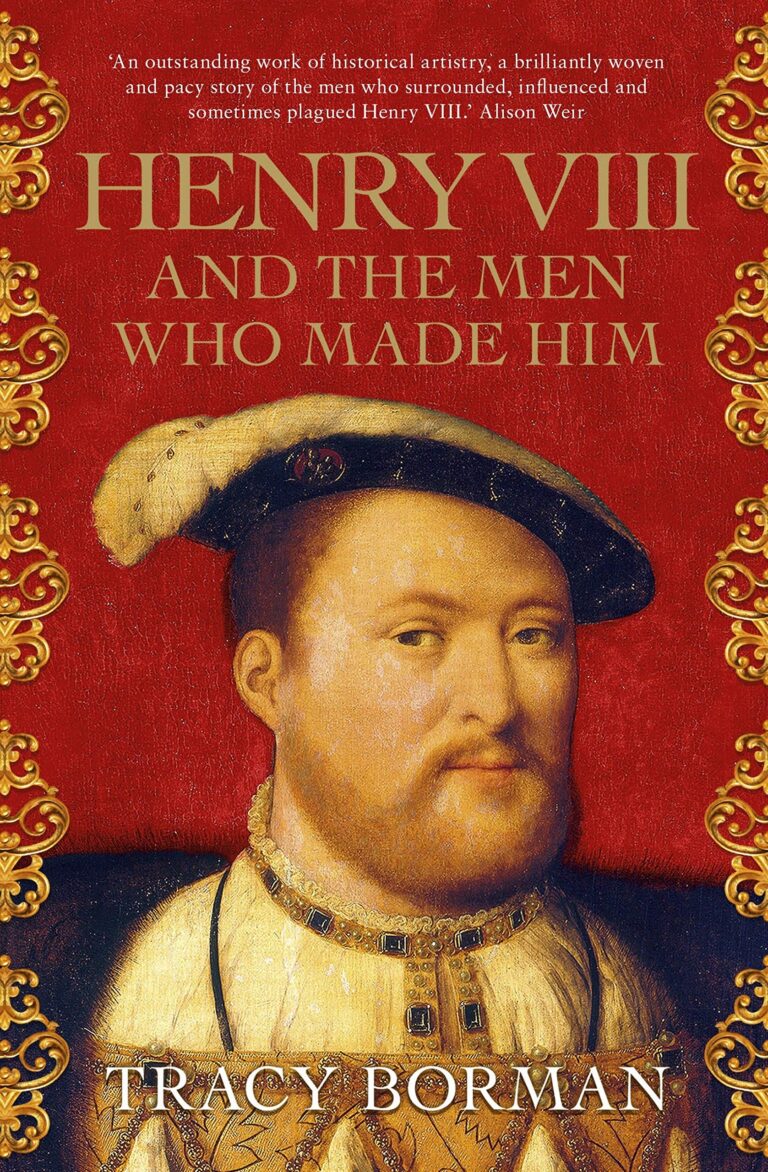
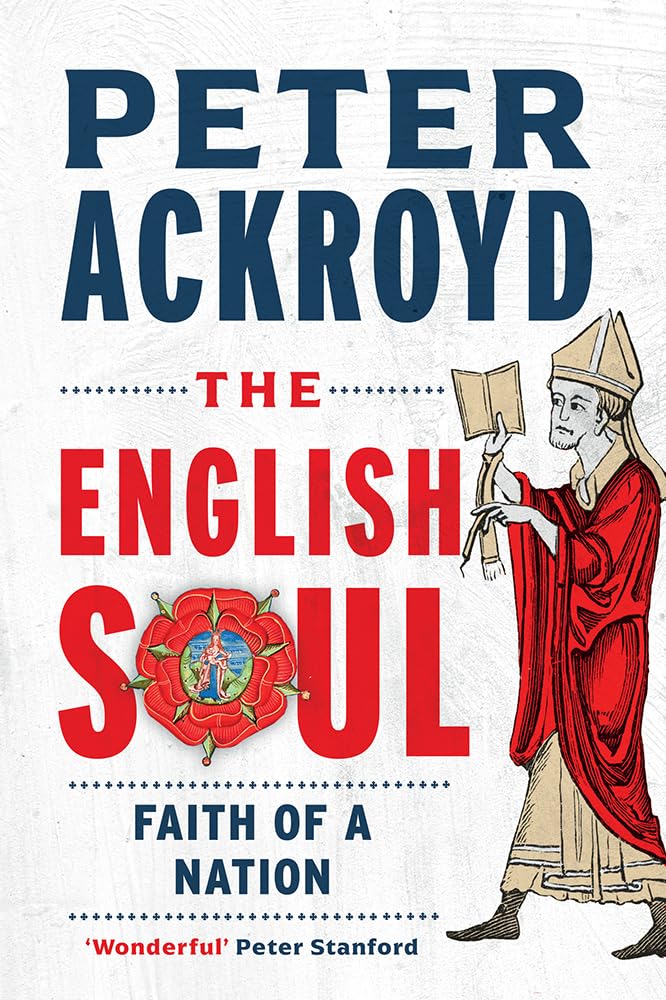
In Tracy Borman’s Henry VIII and the Men Who Made Him, Henry VIII is examined through the men who educated, entertained, advised and opposed him. His father Henry VII, his elder brother Arthur, childhood companions and early courtiers helped form the confident young prince, while ministers and churchmen including Thomas Wolsey, Thomas More, Thomas Cromwell and Thomas Cranmer became essential to the exercise of his power. In C. J. Sansom’s Sovereign, in the autumn of 1541, Matthew Shardlake and Jack Barak travel to York ahead of Henry VIII’s royal progress through northern England. Their public task is to assist with petitions and legal business, but Archbishop Thomas Cranmer privately orders them to protect a prisoner whose evidence may expose a dangerous conspiracy. Further fictional perspectives on Thomas Cranmer can be found in C. J. Sansom’s Revelation. For broader historical treatment of Thomas Cranmer, see Peter Ackroyd’s The English Soul, Peter Ackroyd’s Tudors, and Alison Weir’s The Lady in the Tower.