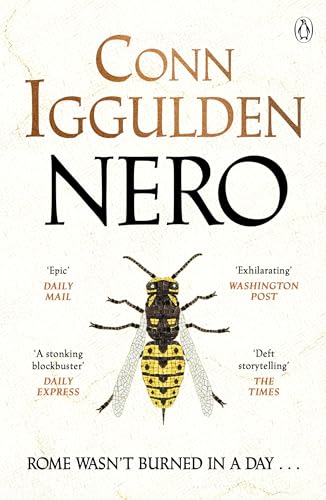
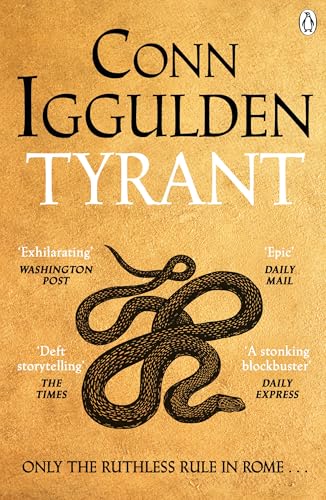
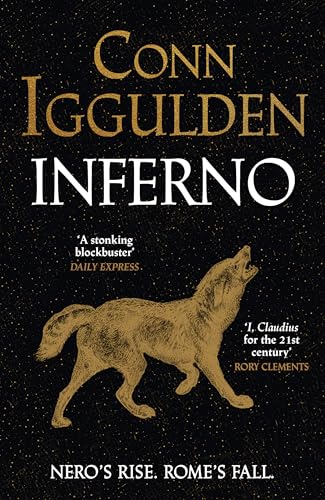
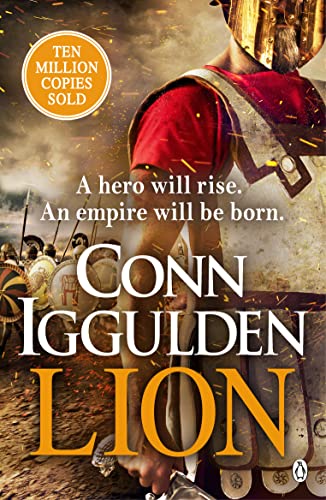
Conn Iggulden writes large-scale historical fiction centred on conquest, ambition, political violence and the making of empires.
Conn Iggulden was born in London in 1971 and grew up with a strong interest in history, storytelling and adventure. He studied English at the University of London and worked as a teacher for several years before leaving education to write full time. His classroom experience helped shape a direct, fast-moving narrative style designed to make large historical subjects accessible without reducing their scale or complexity. Iggulden has said that he is particularly drawn to periods in which individual ambition and military power can alter the direction of entire societies, and this interest is evident throughout his fiction. Alongside his historical novels, he co-wrote The Dangerous Book for Boys with his brother Hal Iggulden, a bestselling collection of traditional skills, games, stories and practical knowledge. He has also written children’s fiction and contemporary thrillers, but historical fiction has remained at the centre of his career and established him as one of the most widely read British novelists working in the genre.
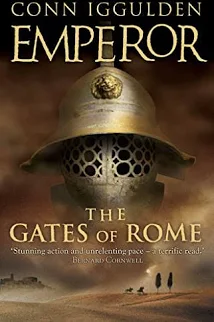
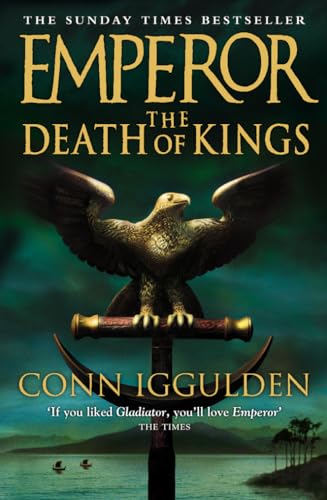
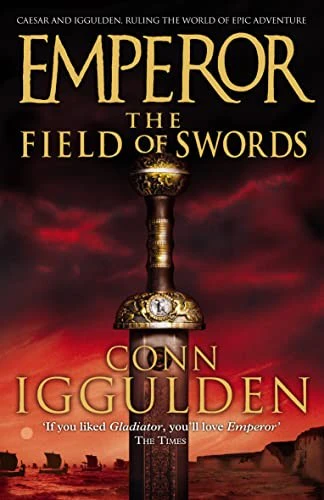
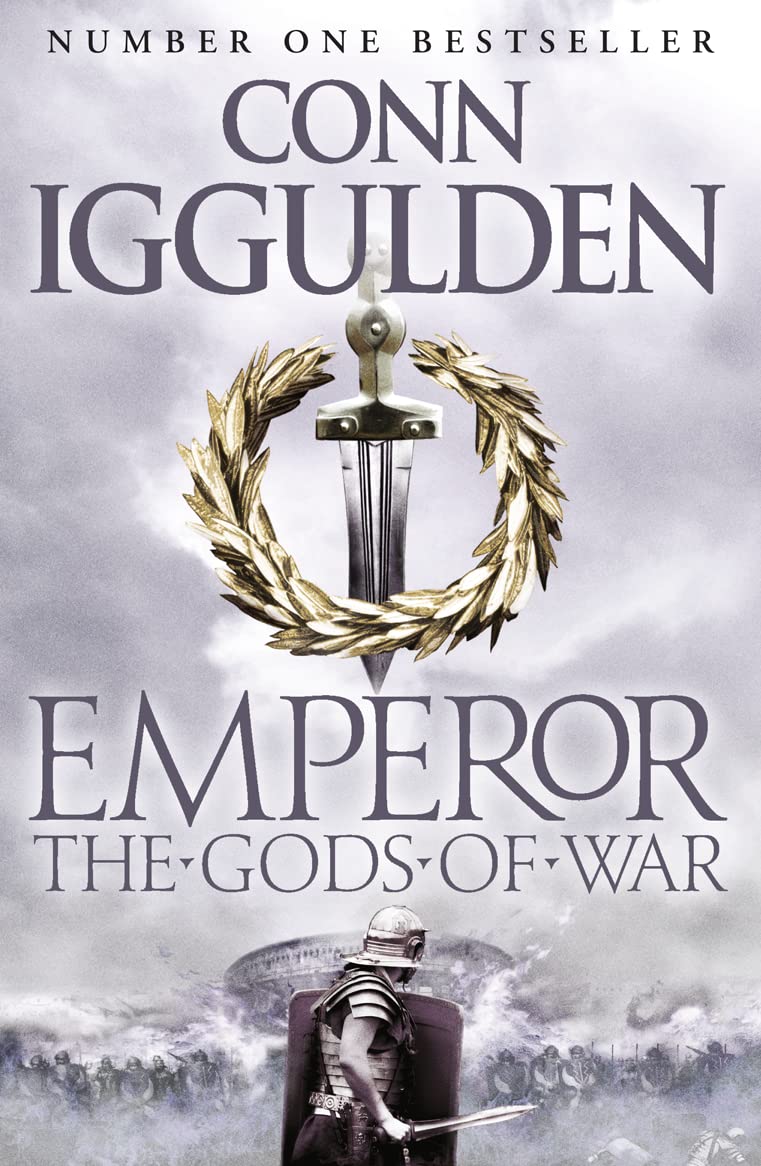
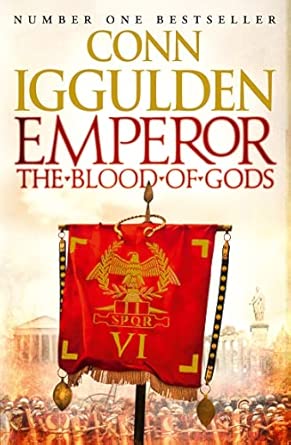
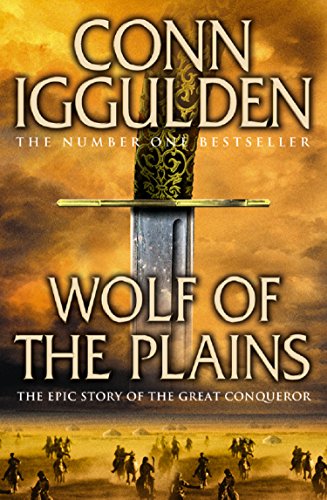
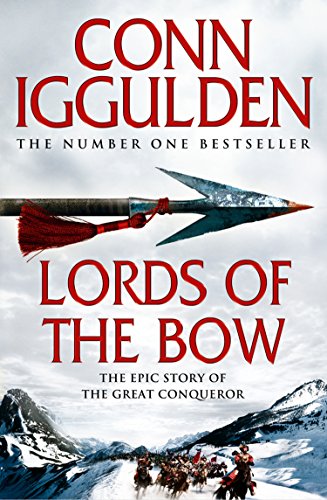
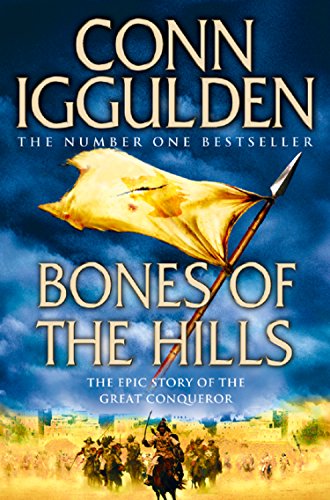
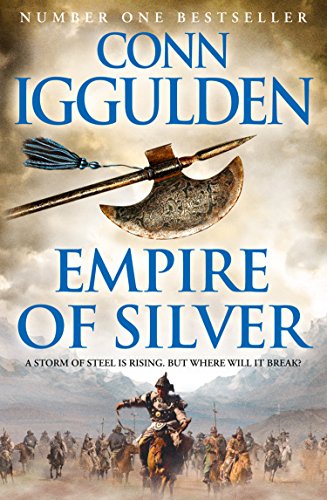
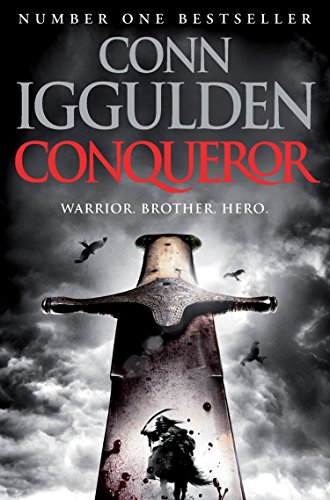
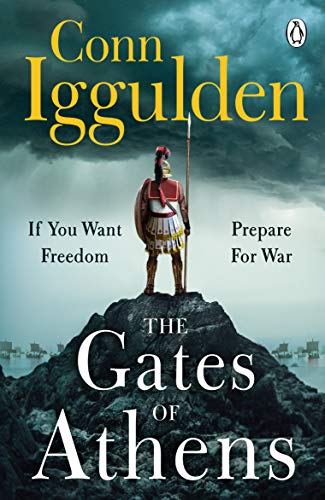
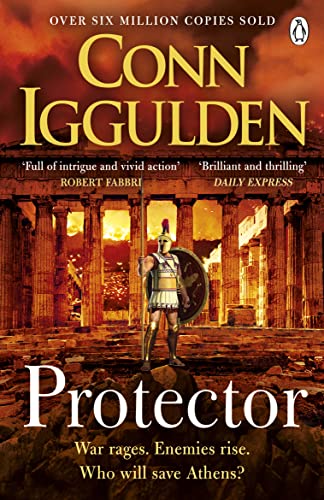
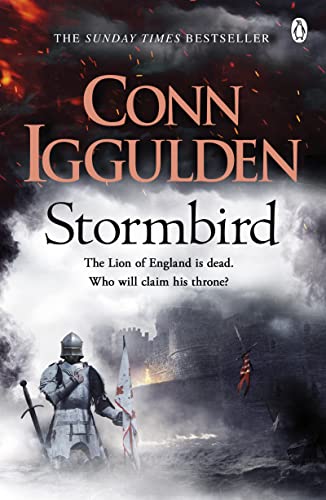
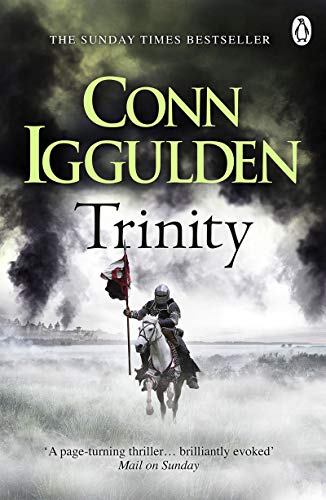
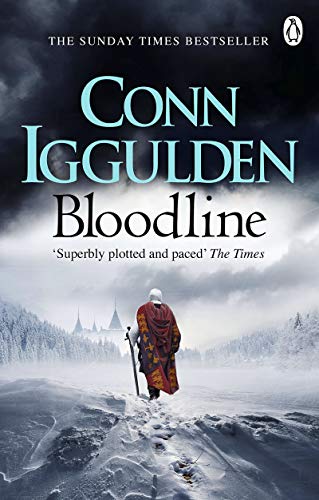
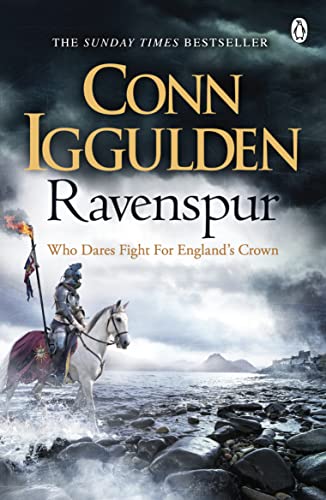
Iggulden’s first novel, The Gates of Rome, appeared in 2003 and began the Emperor series, following Julius Caesar from youth through the political and military struggles that transformed the late Roman Republic. He then wrote the Conqueror series about Genghis Khan, his sons and the expansion of the Mongol Empire across Asia and Europe, before turning to fifteenth-century England in his Wars of the Roses sequence, which depicts the rivalry between the houses of Lancaster and York and the collapse of royal authority into dynastic war. The Athenian novels move to the ancient Greek world and the Persian invasions, while The Falcon of Sparta reimagines Xenophon and the expedition of the Ten Thousand. Other works include Dunstan, set in Anglo-Saxon England, and later novels exploring further episodes of ancient and medieval warfare. Iggulden frequently compresses chronology, combines characters or rearranges events in order to maintain narrative momentum, but his novels are effective at introducing readers to the personalities, rivalries, battlefield systems and political pressures behind major historical transformations. Leadership, loyalty, succession, friendship, military discipline and the creation or collapse of empires recur throughout his work, making him particularly suited to readers who enjoy campaign-driven historical fiction centred on famous rulers and periods of rapid territorial and political change.

 Steven Saylor
19 books
Steven Saylor
19 books
 Simon Scarrow
54 books
Simon Scarrow
54 books
 Sharon Kay Penman
14 books
Sharon Kay Penman
14 books
 Toby Clements
5 books
Toby Clements
5 books
 Philippa Gregory
32 books
Philippa Gregory
32 books