c. 48 BCE–23 CE
Juba II was the son of Juba I of Numidia and was taken to Rome as a child after his father’s defeat and death during Caesar’s African campaign. Raised within the household and political culture of the Roman elite, he accompanied Octavian’s triumph and later received royal status. Augustus eventually installed him as client king of Mauretania, where he ruled a kingdom strategically important to Rome’s western Mediterranean and North African interests.
Juba married Cleopatra Selene II, daughter of Cleopatra VII and Mark Antony, creating a dynasty that joined Numidian and Ptolemaic royal traditions under Roman patronage. Their capital at Caesarea became a centre of monumental building and Mediterranean culture. Juba was also a prolific scholar who wrote on geography, history, natural science, art and Arabia, although most of his works survive only in quotations by later authors. He died in 23 CE and was succeeded by his son Ptolemy.
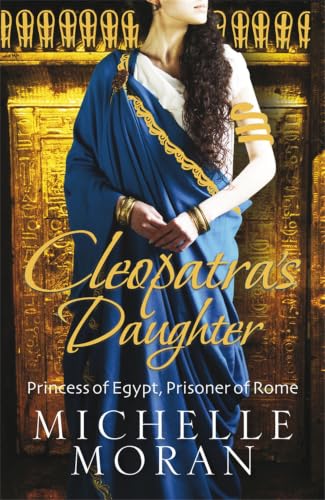
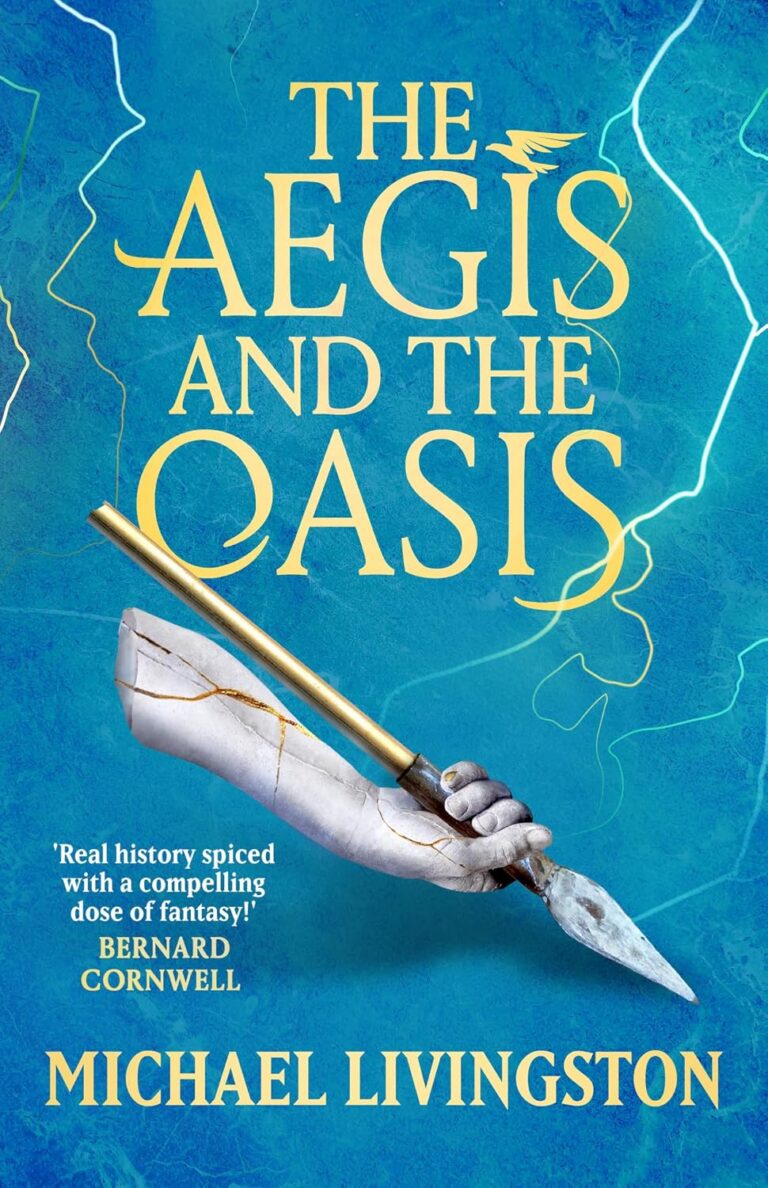
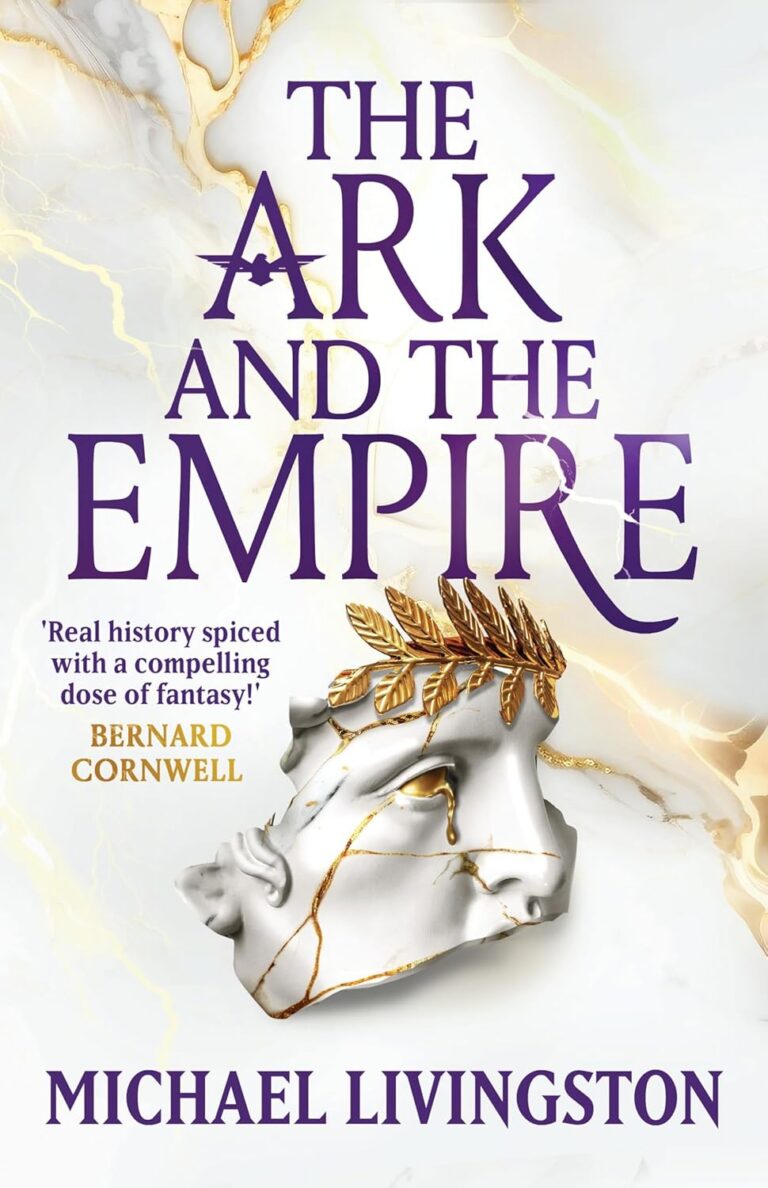
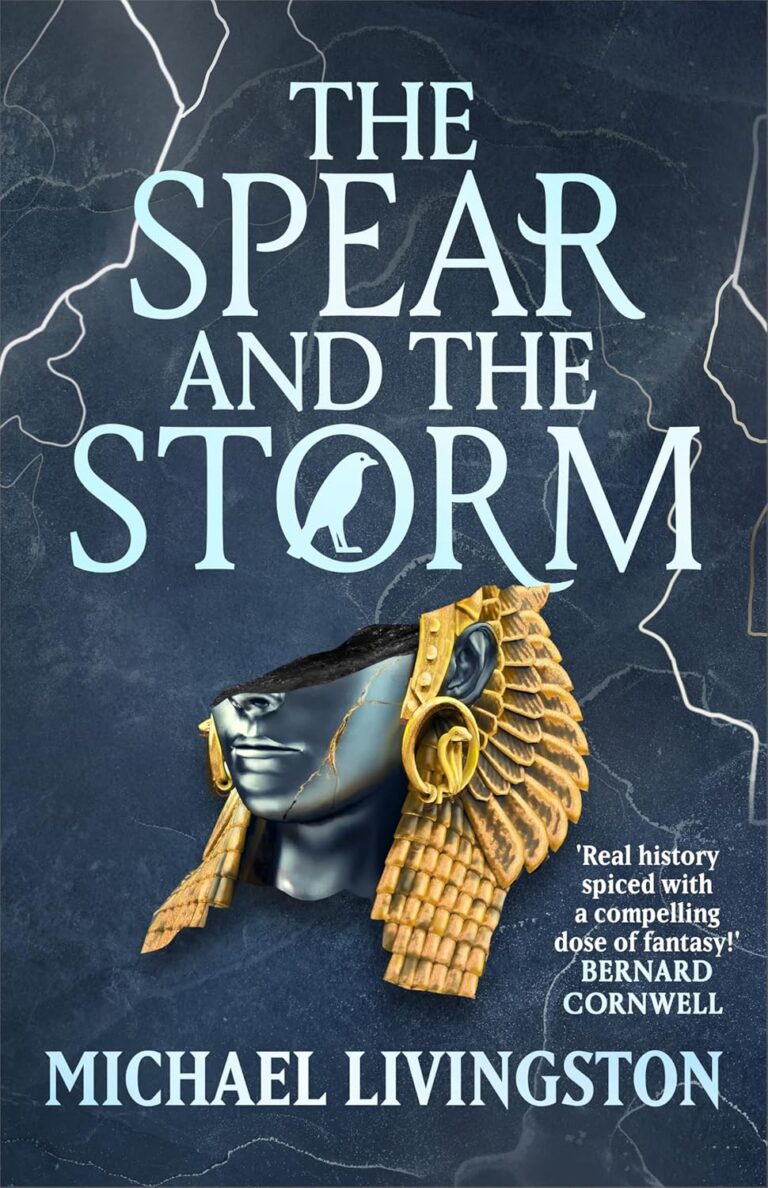
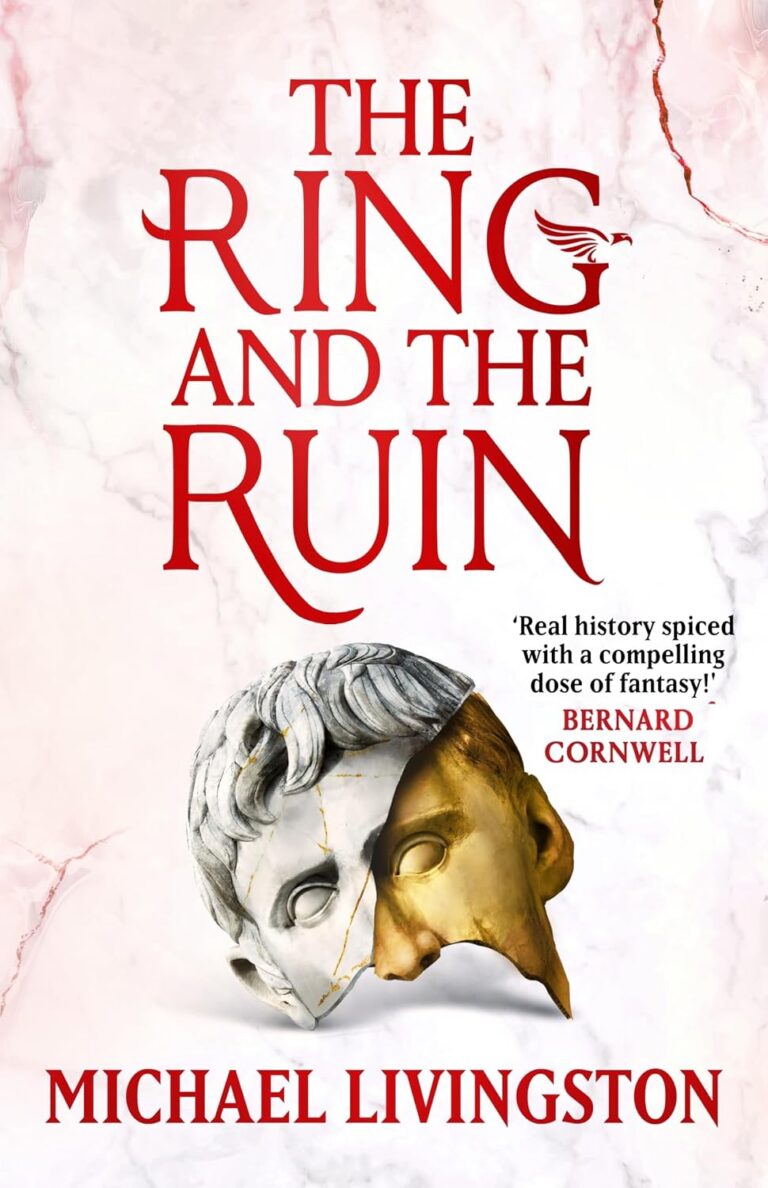
Michelle Moran’s Cleopatra’s Daughter follows Cleopatra Selene into the Roman world and her marriage to Juba. Michael Livingston’s The Ark and the Empire, The Ring and the Ruin and The Spear and the Storm use Juba and Selene as rulers negotiating Roman power and dynastic survival, drawing on the distinctive mixture of Roman, Numidian and Ptolemaic identity at their court.