The Xianfeng Emperor was the Qing ruler of China from 1850 to 1861, inheriting a state already under severe fiscal, social and foreign pressure. Early in his reign the Taiping Rebellion expanded from Guangxi into the Yangtze valley and captured Nanjing, while the Nian uprising and other regional conflicts further strained imperial forces. Much of the effective military response increasingly depended on provincially organised armies rather than the older Banner and Green Standard establishments.
Xianfeng’s reign also encompassed the Second Opium War. The treaties of Tianjin in 1858 widened foreign diplomatic and commercial privileges, and renewed fighting in 1860 ended with Anglo-French forces entering Beijing and destroying the Old Summer Palace. The emperor withdrew to the imperial resort at Rehe, where he died in August 1861. He left his young son, the Tongzhi emperor, under a board of regents, but Cixi, Ci’an and Prince Gong removed them in the Xinyou Coup within months.
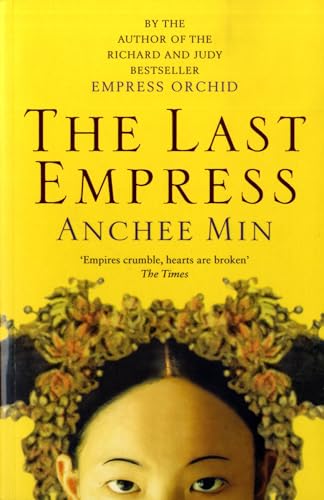
Xianfeng appears in Anchee Min’s Empress Orchid and The Last Empress, Pearl S. Buck’s Imperial Woman, George MacDonald Fraser’s Flashman and the Dragon and Robert Elegant’s Mandarin, all of which use the Taiping and foreign-war crises surrounding his court. The two linked biographies titled Empress Dowager Cixi also treat Xianfeng as the emperor whose death opened the regency struggle that brought Cixi to power.