William Randolph Hearst was an American newspaper proprietor who built one of the most powerful media empires of the late nineteenth and early twentieth centuries. Born in San Francisco in 1863 into a wealthy mining family, he took control of the San Francisco Examiner and later acquired the New York Journal. Through aggressive headlines, crime reporting, illustrations and political campaigning, his papers became leading examples of the mass-circulation journalism that critics labelled yellow journalism.
Hearst used his newspapers to advocate causes and attack opponents, giving him political influence far beyond ordinary publishing. His coverage of Cuba and the Spanish-American War became central to later debates about the press and popular enthusiasm for intervention, though claims that newspapers simply caused the war are too crude. Hearst served in the U.S. House of Representatives and repeatedly sought higher office without success. He continued expanding into magazines, film and other media, while his San Simeon estate became a symbol of his wealth and collecting. He died in 1951.
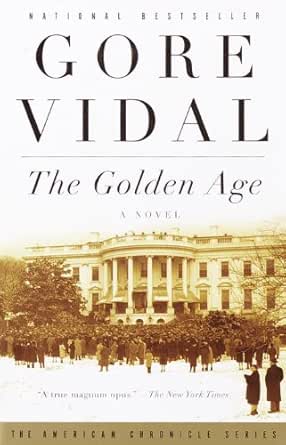
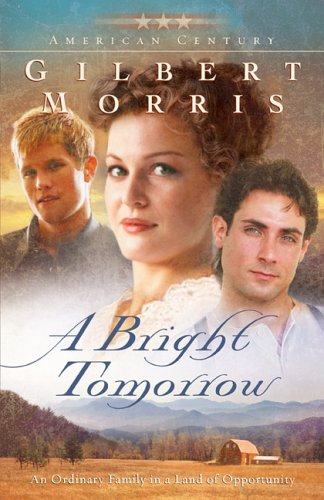
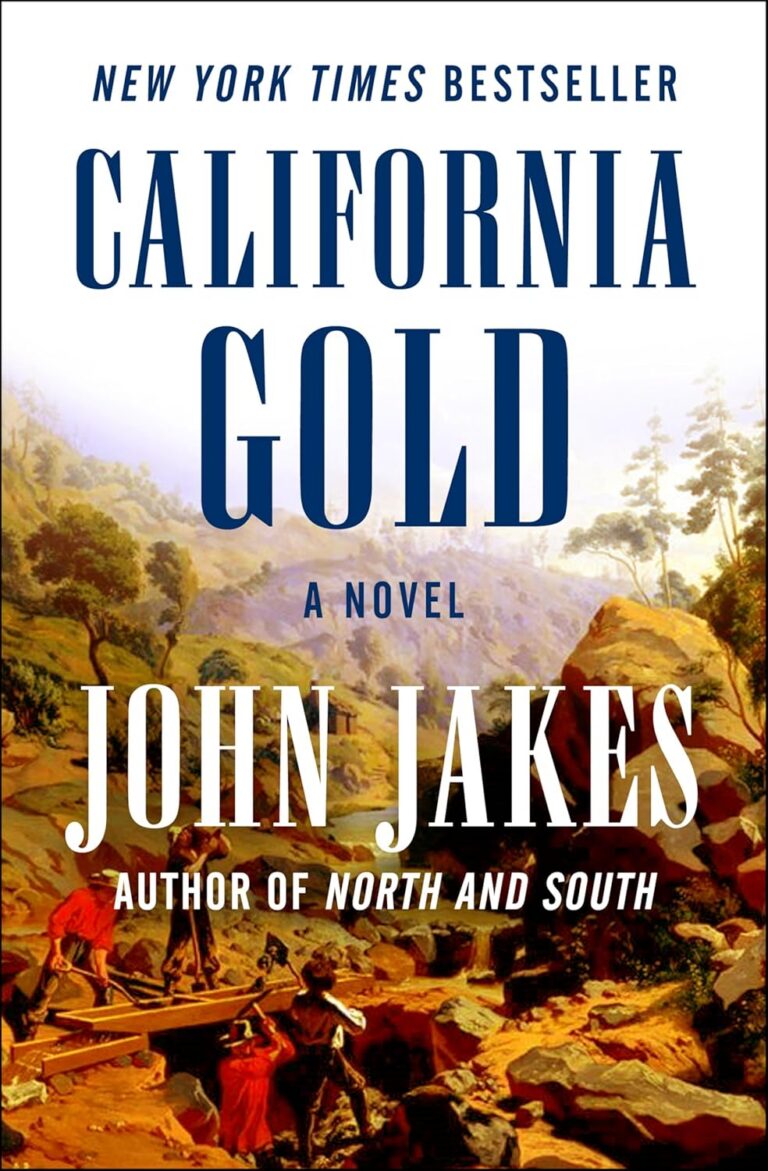
John Jakes’ California Gold follows California from the late nineteenth century into the Progressive Era, including railroad domination, the growth of Los Angeles, the San Francisco earthquake and the beginnings of the film industry. Chance encounters figures such as Leland Stanford, William Randolph Hearst, Ambrose Bierce and Theodore Roosevelt as his pursuit of success repeatedly tests the people he loves and the principles he claims to possess. In Gore Vidal’s Empire, William Randolph Hearst, John Hay, Henry Adams and Henry James move through the same world of publicity and private calculation. Further fictional perspectives on William Randolph Hearst can be found in Gilbert Morris’ A Bright Tomorrow and Gore Vidal’s The Golden Age.