James Scott, 1st Duke of Monmouth, was the eldest illegitimate son of Charles II. Raised partly on the Continent, he became a prominent courtier and soldier, commanded English forces in several campaigns and acquired the English dukedom of Monmouth and the Scottish dukedom of Buccleuch.
After Charles II’s death, Monmouth landed in south-west England and claimed the crown against James II. His supporters were defeated at Sedgemoor, and he was captured and executed on Tower Hill in July 1685. The rebellion and the reprisals that followed became major tests of the new king’s authority.
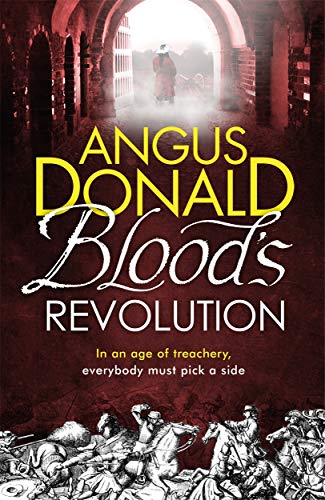
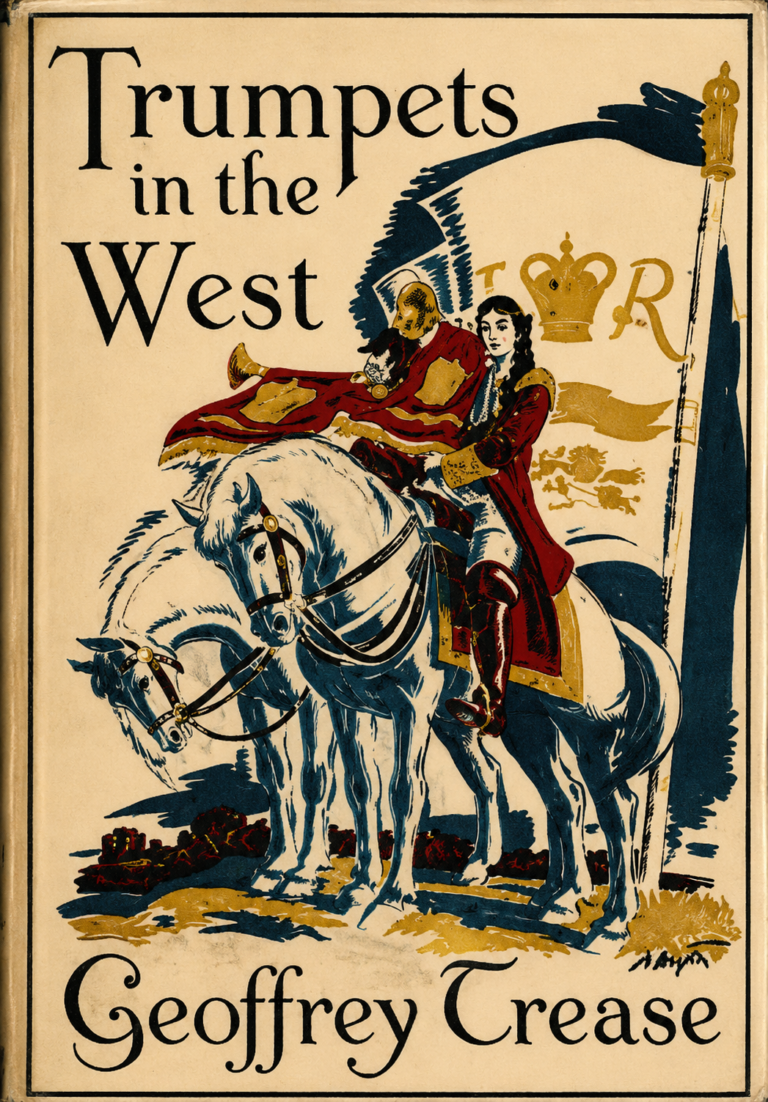
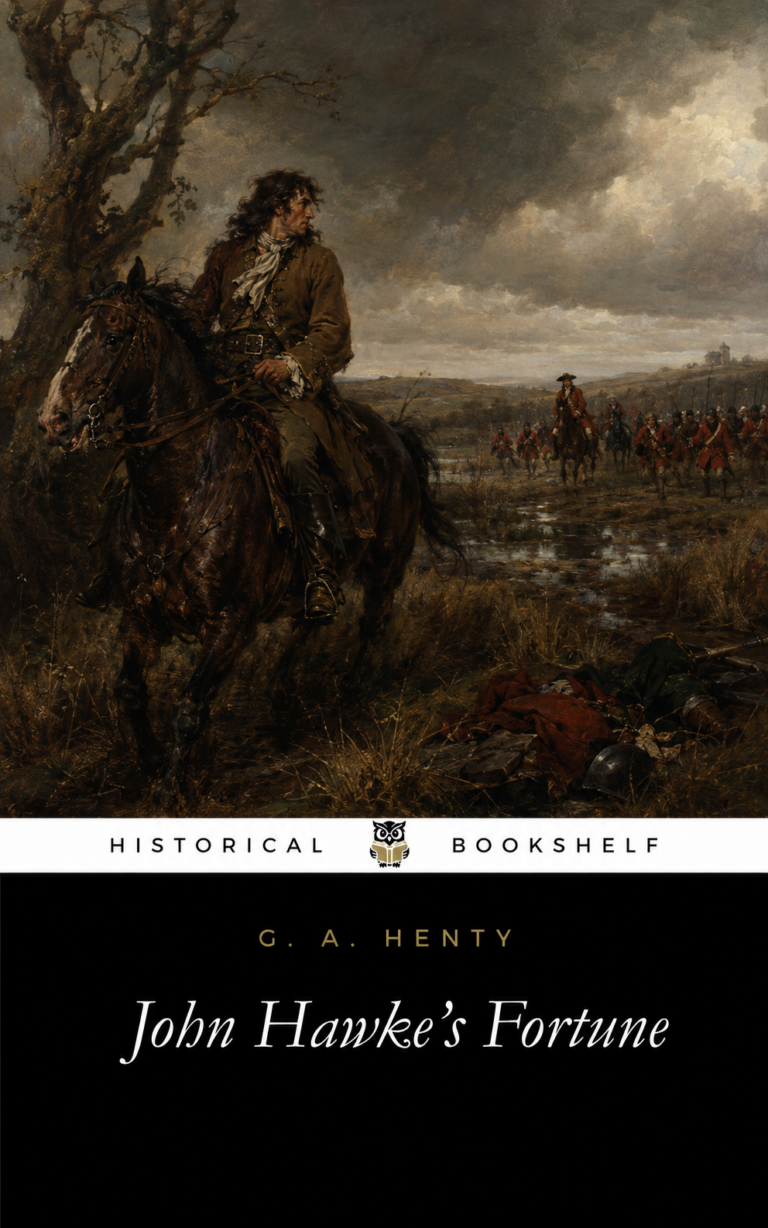
In G. A. Henty’s John Hawke's Fortune, Historical figures including James Scott, 1st Duke of Monmouth and James II of England connect the fictional action directly to the documented events. In Angus Donald’s Blood’s Revolution, at the Battle of Sedgemoor in 1685, his guns help destroy the rebellion led by the Duke of Monmouth, but the Bloody Assizes and the king’s increasingly authoritarian government persuade influential Protestants that another settlement must be found. Holcroft is drawn towards the conspiracy inviting William of Orange to intervene while the French agent Narrey pursues him across England. Further fictional perspectives on James Scott, 1st Duke of Monmouth can be found in Philippa Gregory’s Dawnlands, Jean Plaidy’s Here Lies Our Sovereign Lord, and Geoffrey Trease’s Trumpets in the West.