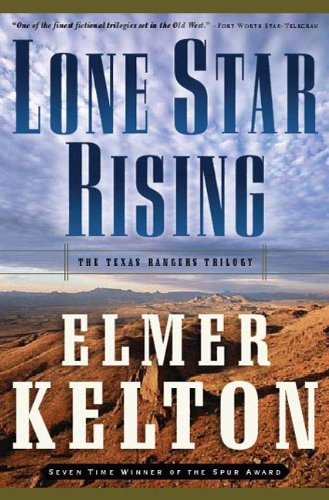
Elmer Kelton (1926–2009) was an American novelist and journalist whose work is closely associated with the history and culture of Texas and the American West. Born on a ranch in Andrews County, Texas, he grew up in a ranching family and studied journalism at the University of Texas at Austin. During the Second World War he served in the U.S. Army in Europe, and after the war he worked for agricultural and livestock publications including the San Angelo Standard-Times, Sheep and Goat Raiser and Livestock Weekly. Kelton’s knowledge of ranching was therefore practical as well as historical, and his Westerns often avoid the exaggerated gunfighter mythology of the genre in favour of farmers, ranch hands, Texas Rangers and settlers struggling with drought, economic change and violence. He wrote more than forty novels and won the Western Writers of America’s Spur Award seven times; the organisation later named him its all-time best Western author.
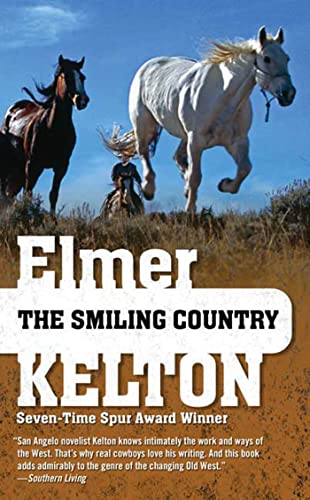
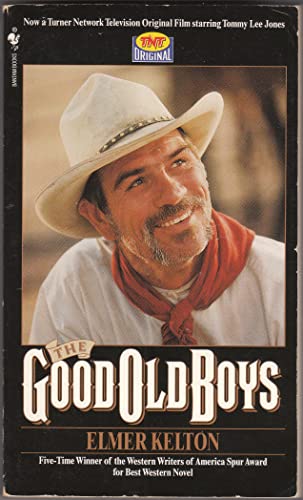
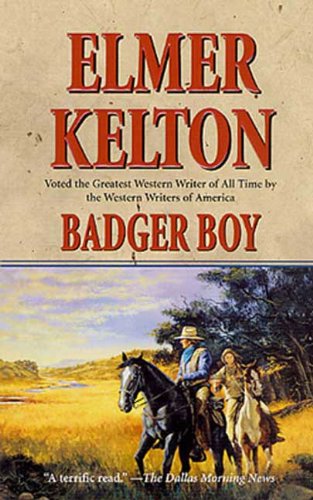
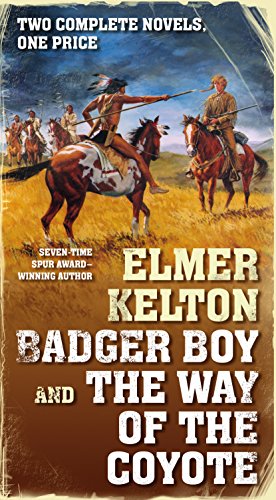
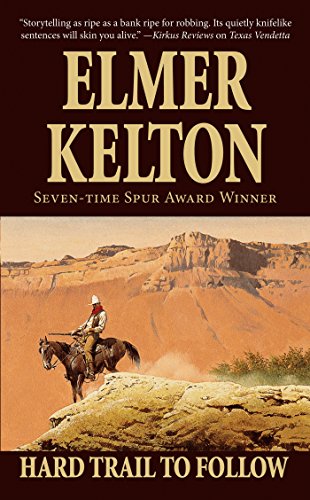
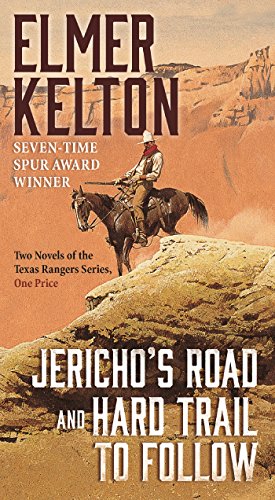
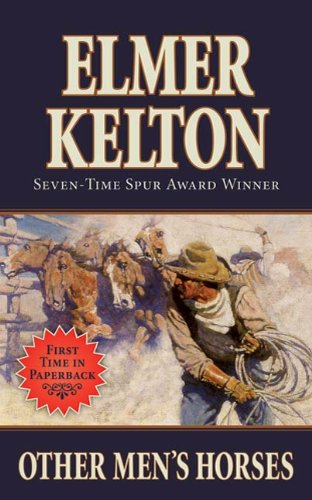
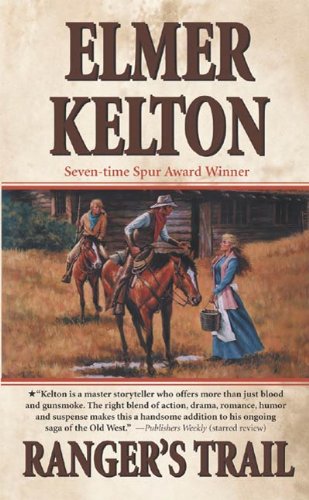
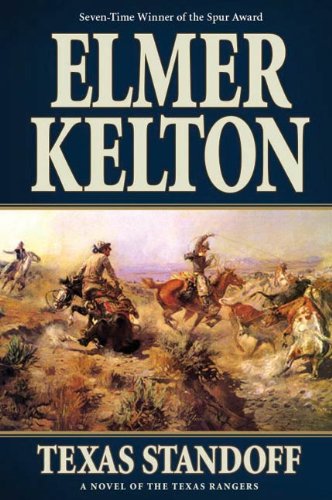
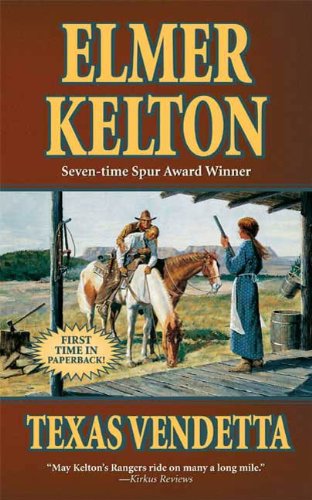
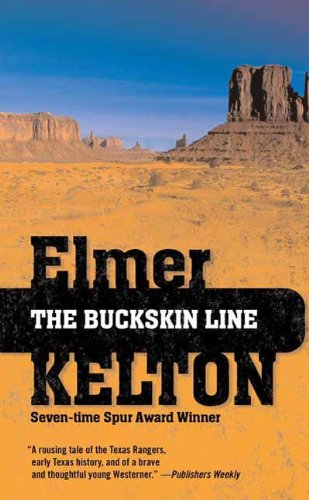
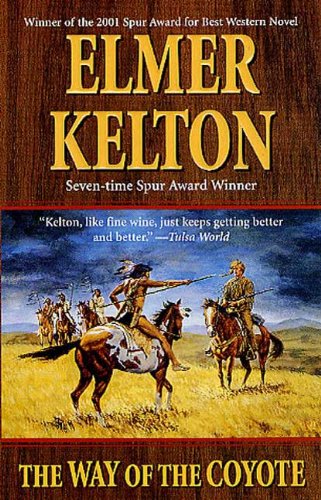
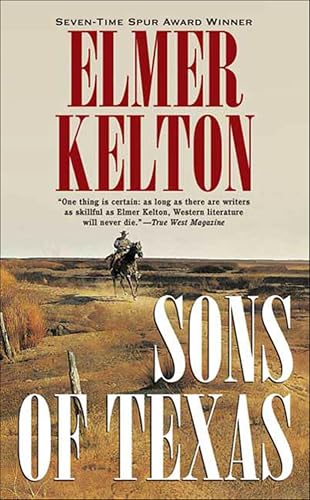
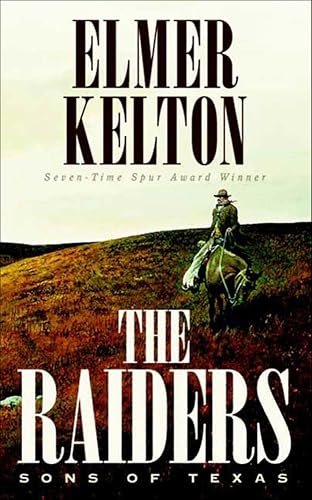
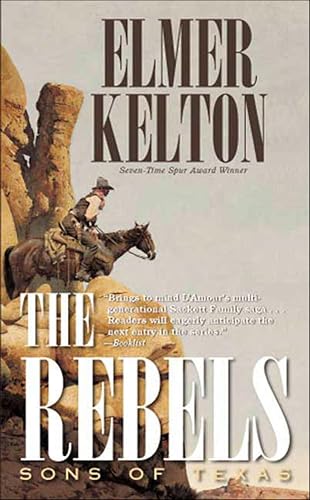
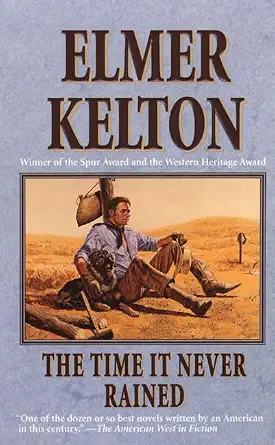
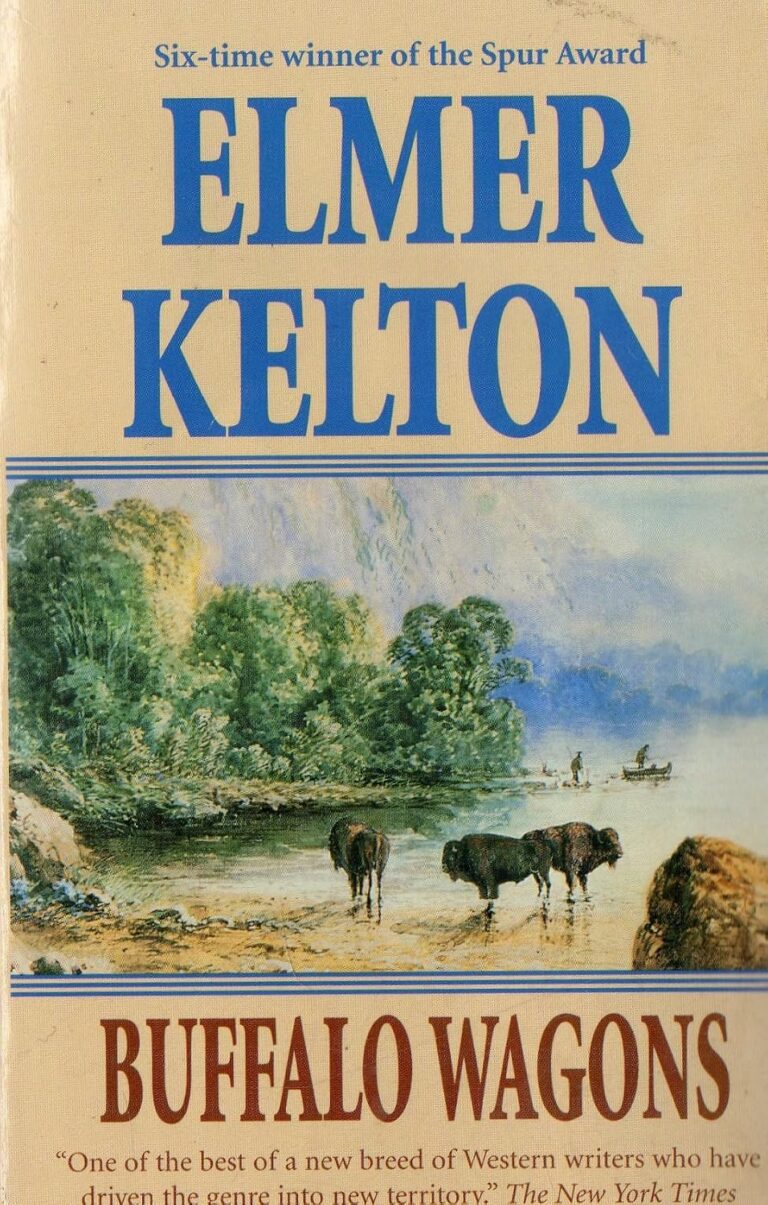
Most of Kelton’s novels are historical Westerns. The nine-book Texas Rangers series begins with The Buckskin Line and continues through Badger Boy, The Way of the Coyote, Ranger’s Trail, Texas Vendetta, Jericho’s Road, Hard Trail to Follow, Other Men’s Horses and Texas Standoff, following Rangers and frontier families through nineteenth-century Texas. The Sons of Texas trilogy—Sons of Texas, The Raiders and The Rebels—moves back to the early nineteenth century and the struggle that eventually led to Texan independence. Other important historical novels include Buffalo Wagons, about the buffalo-hide trade; The Day the Cowboys Quit, based on the 1883 Texas cowboy strike; The Wolf and the Buffalo, which examines the frontier from both Black cavalry and Comanche perspectives; Eyes of the Hawk, Stand Proud, The Good Old Boys, The Smiling Country and After the Bugles. The Time It Never Rained, one of his most highly regarded novels, is set much later, during the devastating Texas drought of the 1950s, but is now also a historical portrait of a changing ranching society. Kelton’s fiction is particularly useful for Texas history, the Old West, Texas Rangers, cattle ranching, Native American conflict and nineteenth-century frontier settlement.