Books

As an Amazon Associate I earn from qualifying purchases. Affiliate disclosure.
Phase
1381 CE
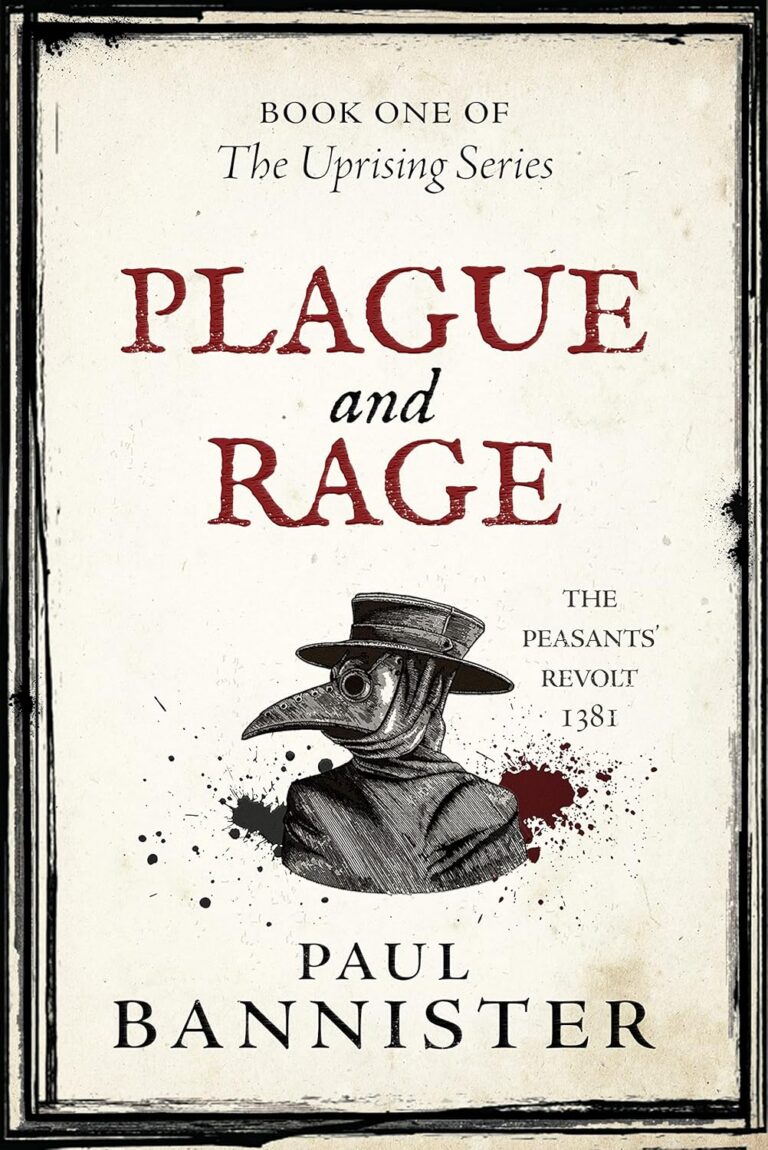
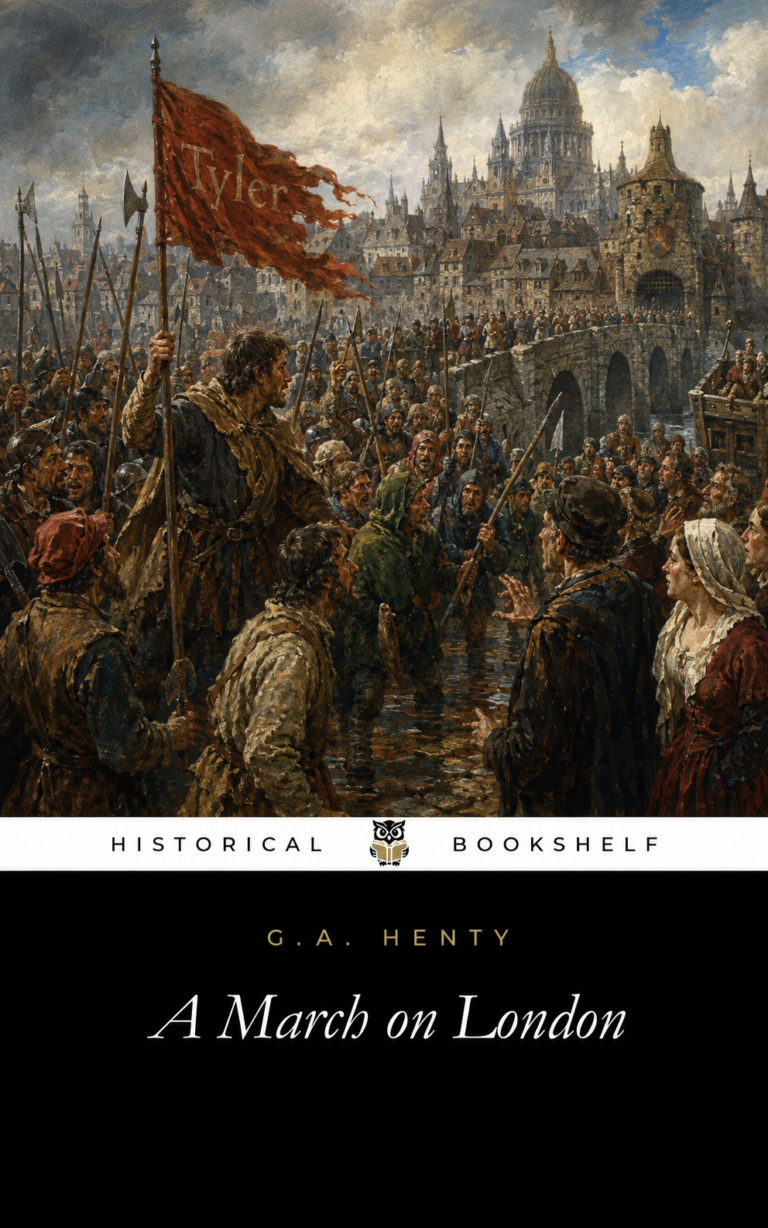
The Peasants’ Revolt broke out in 1381 after tensions over poll taxes, labour controls, and post-plague social change. Rebels from Kent and Essex marched on London, where leaders such as Wat Tyler confronted royal authority. The revolt was suppressed, but it revealed deep resentment toward lordship and government.
The revolt matters because it shows late medieval society under strain from taxation, labour shortages, and inequality. It also challenged assumptions about obedience, status, and royal protection. Although immediate reforms were limited, the uprising remained a powerful memory of popular resistance.
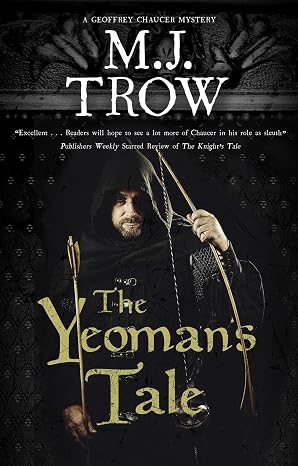
It fits beside novels influenced by Chaucer’s world, medieval mystery series, and books about post-plague society. The revolt suits stories about class anger, radical preaching, London crowds, and the danger of speaking against power.
Books
Non-Fiction
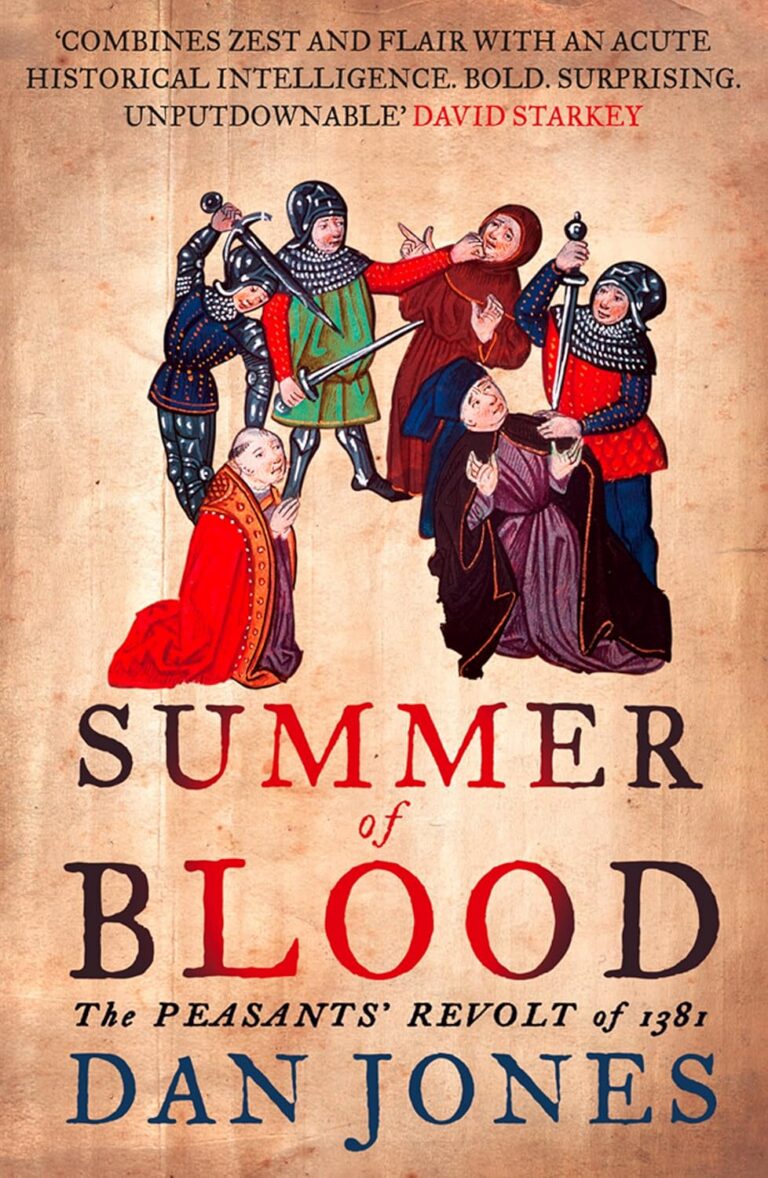
Histories, biographies and reference works are listed separately from the historical novels above.