Hecuba was the queen of Troy, wife of King Priam and mother of many Trojan princes and princesses, including Hector, Paris, Cassandra and Polyxena. In Homer’s Iliad , she appears as a dignified but increasingly grief-stricken mother who watches the war destroy her family. She pleads with Hector not to face Achilles and later leads the Trojan women in mourning after his death. Through Hecuba, ancient writers examined the human cost of war, particularly the suffering endured by women whose influence and security depended upon a royal household that could not survive the destruction of its city.
Greek tragedy develops Hecuba’s story beyond the events of the Iliad . After discovering that Polymestor killed Polydorus for Trojan gold, Hecuba takes revenge by killing his sons and blinding him. These tragedies transform her from a bereaved queen into a figure whose suffering has stripped away the protections of status, family and civilisation.
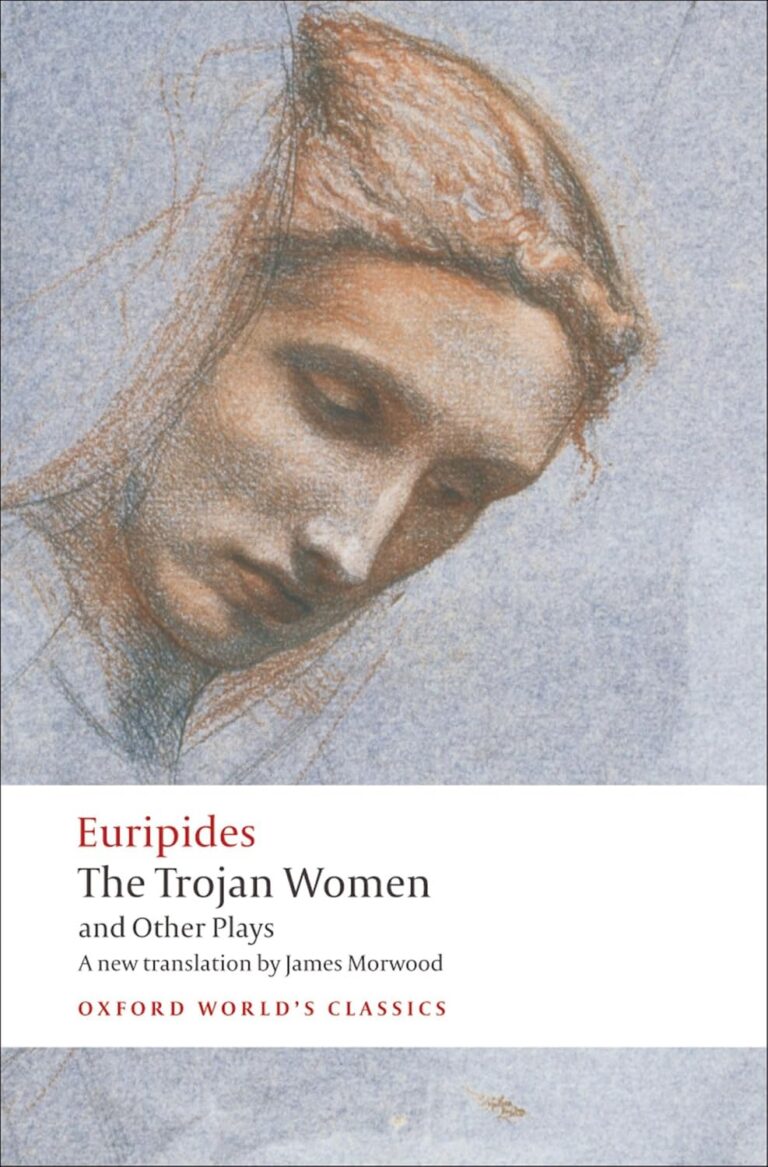
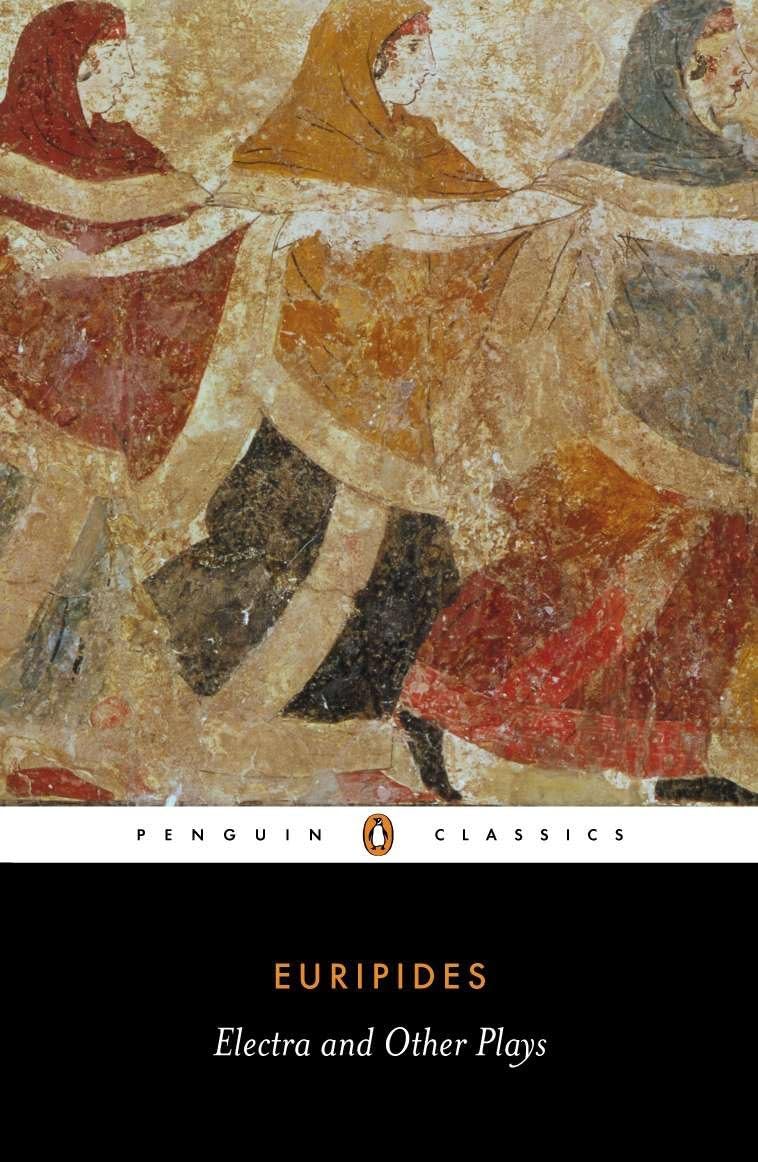
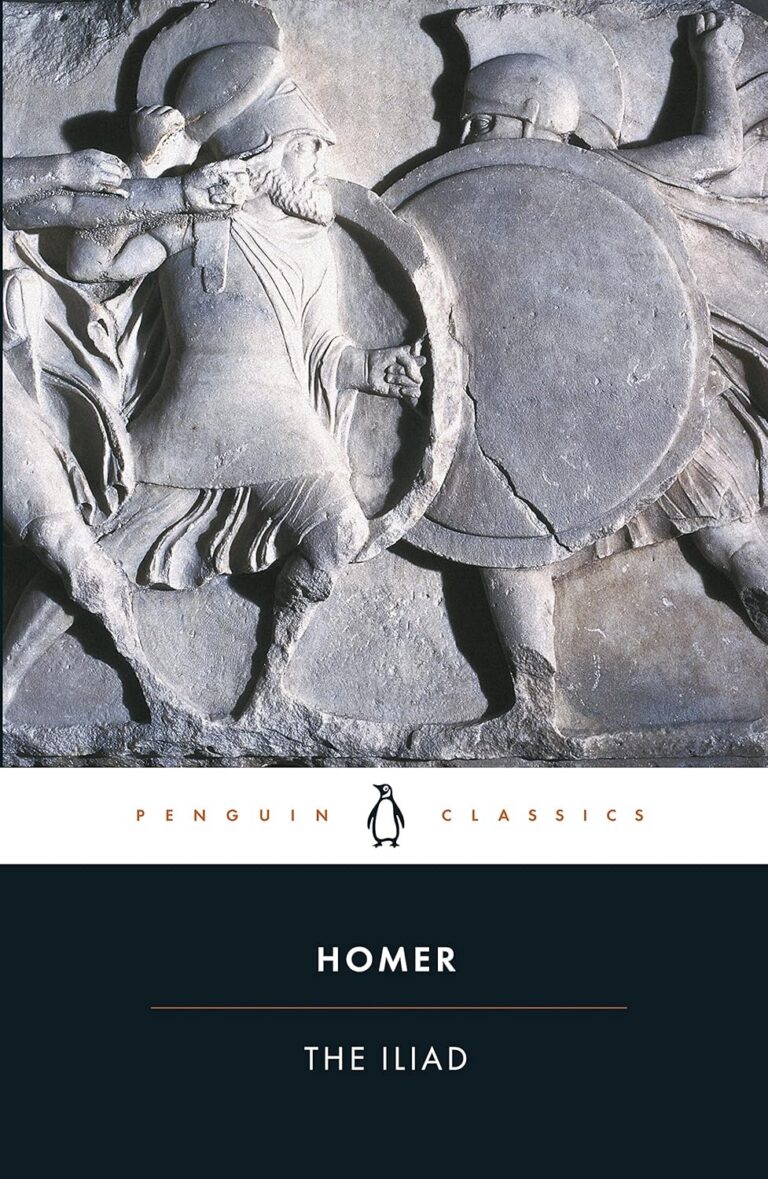
Euripides’ Electra and Other Plays gives Hecuba her own tragedy, in which the fallen queen endures the sacrifice of Polyxena and then takes revenge for the murder of Polydorus. Marion Zimmer Bradley’s The Firebrand makes her Cassandra’s mother and a central figure in the Trojan royal household as Cassandra’s warnings of destruction go unheard. Homer’s The Iliad shows Hecuba as Priam’s queen and Hector’s grieving mother, while The Trojan Women and Other Plays follows her after Troy’s fall as the Greek victors divide the surviving women and kill Astyanax. David Gemmell’s Troy: Fall of Kings returns Hecuba to the besieged court during the city’s last collapse, placing family grief beside the destruction of Priam’s kingdom.