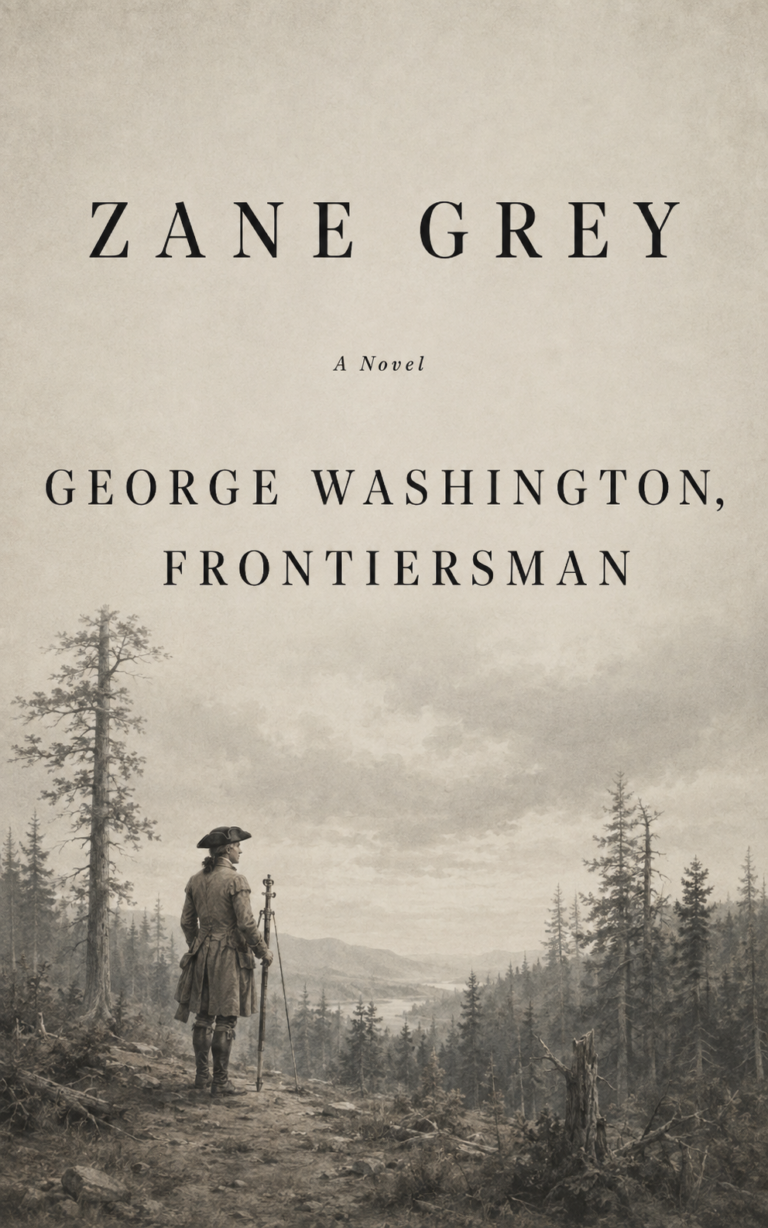
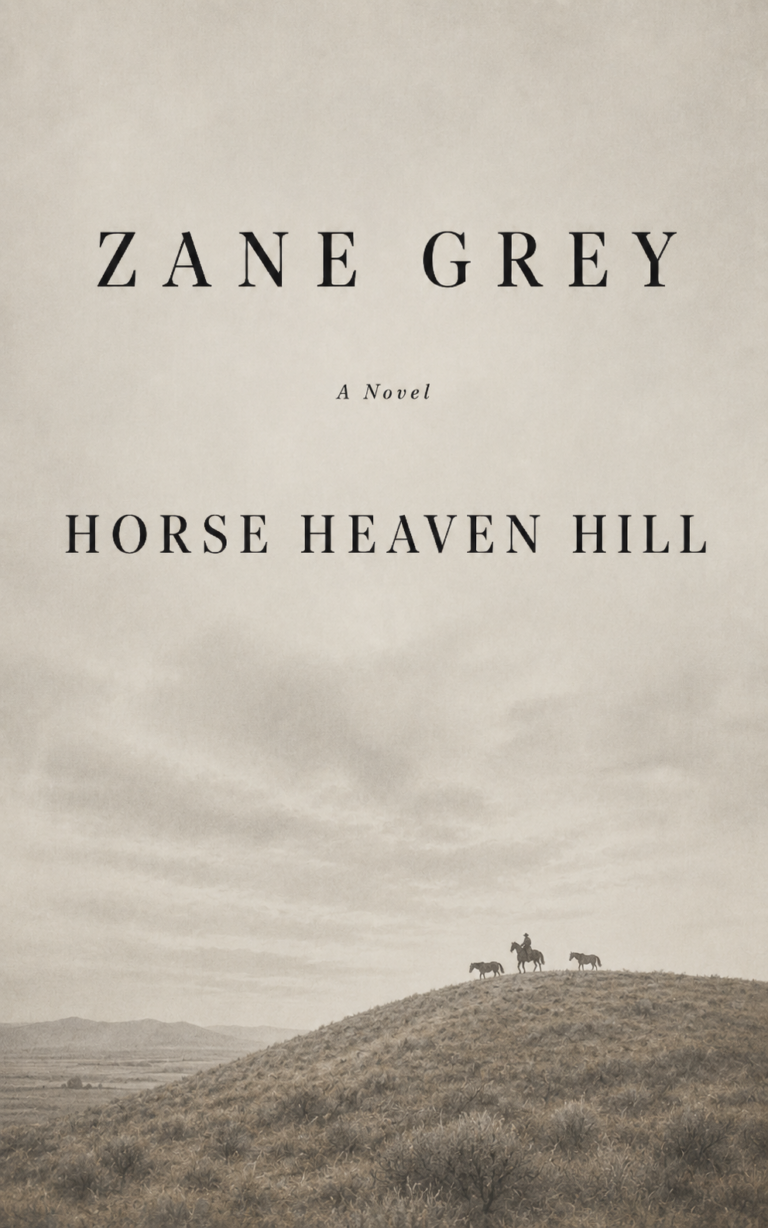
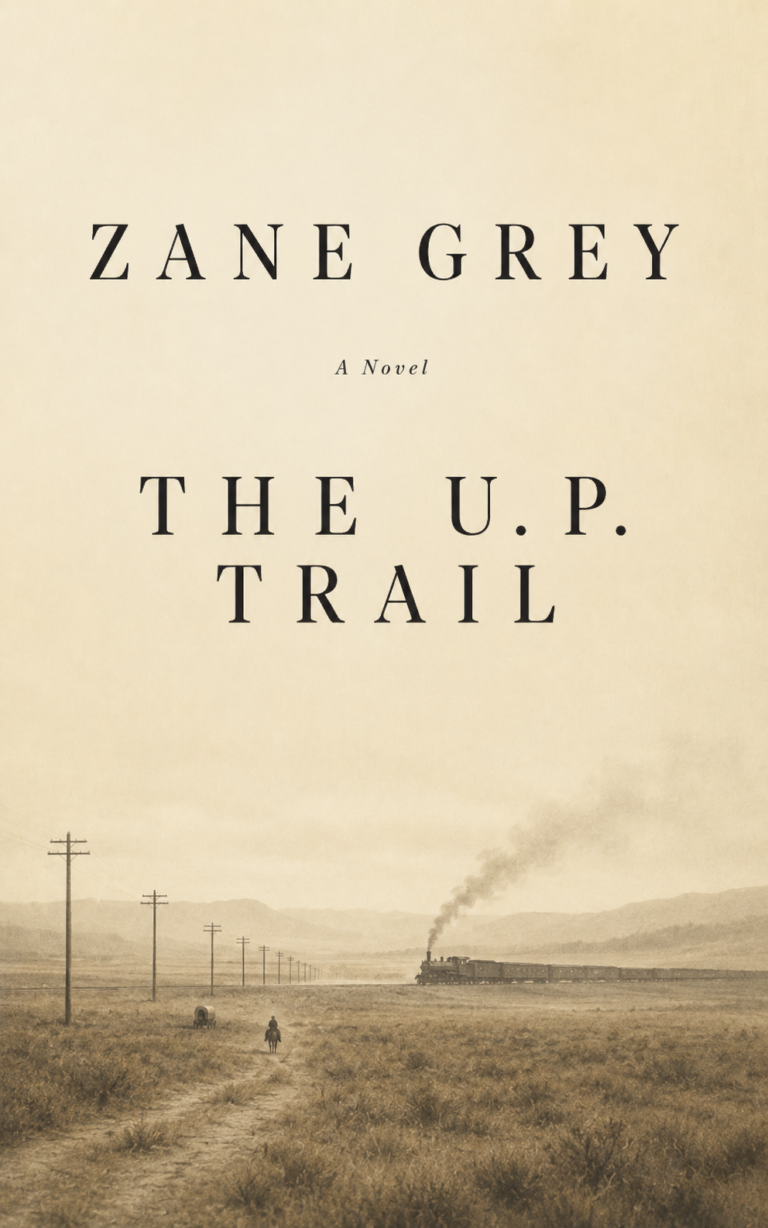
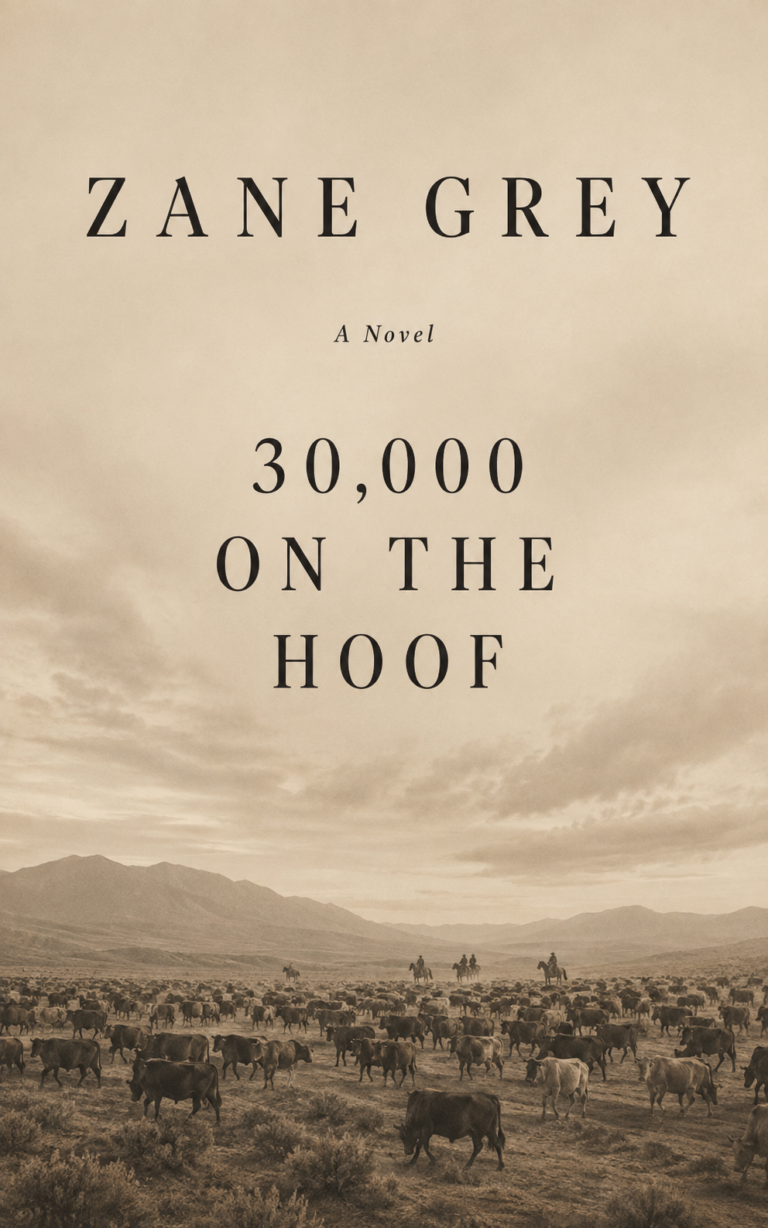
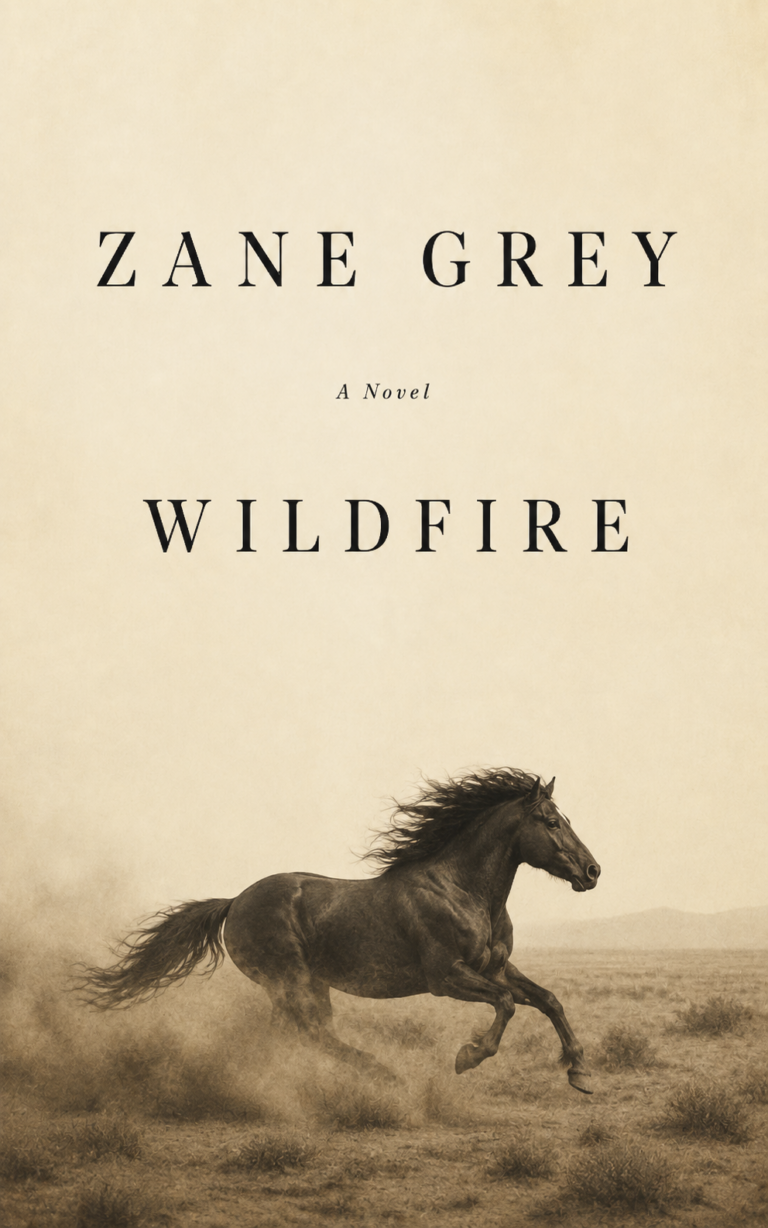
Zane Grey (1872–1939) was an American novelist whose adventure stories helped establish the Western as one of the dominant forms of popular historical fiction in the early twentieth century. Born in Zanesville, Ohio, he initially trained and practised as a dentist before becoming a full-time writer. His earliest fiction grew directly from his interest in his own family’s frontier history. The Ohio River Trilogy—Betty Zane (1903), The Spirit of the Border (1906) and The Last Trail (1909)—is set around the Ohio Valley frontier during and after the American Revolution and incorporates a significant number of real historical people, including members of Grey’s own Zane family. Betty Zane centres on the defence of Fort Henry and the famous episode in which Elizabeth Zane carried gunpowder to the besieged fort, while the later novels explore settlement, Indigenous conflict, missionaries and frontier warfare. Grey also wrote George Washington, Frontiersman, a historical novel following the young Washington through the colonial frontier before the American Revolution.
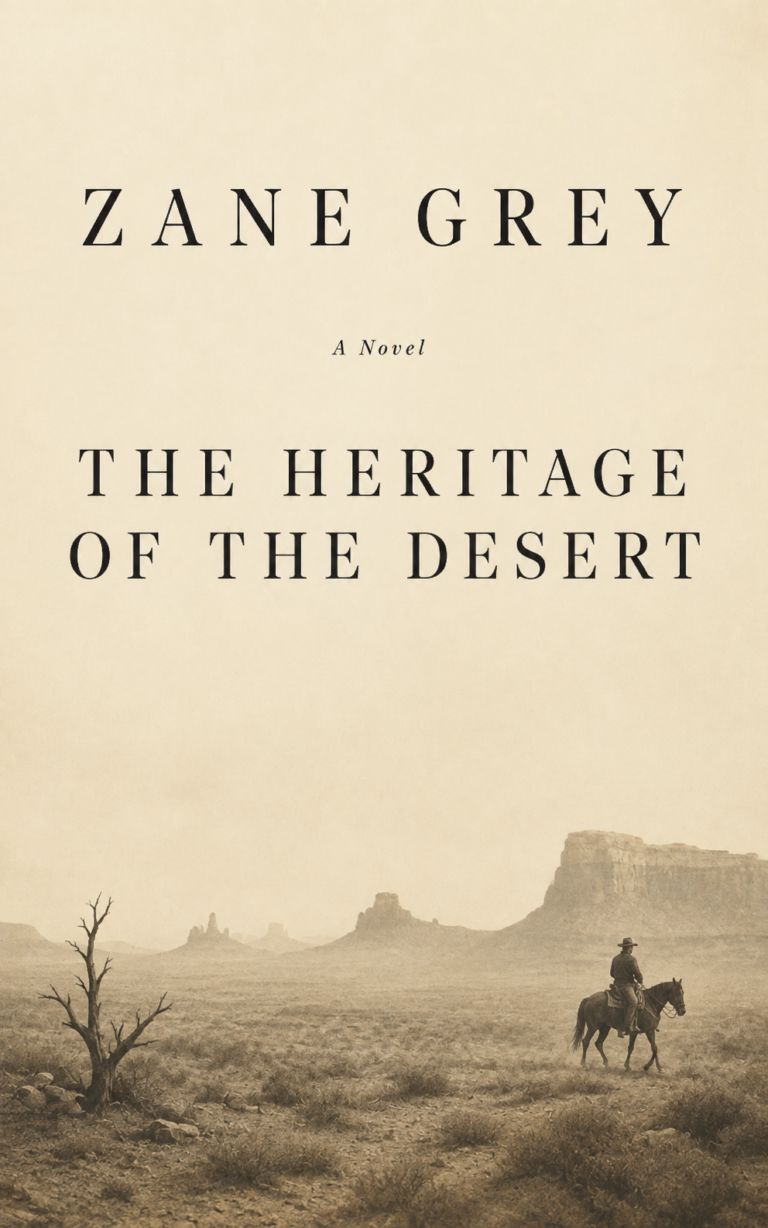
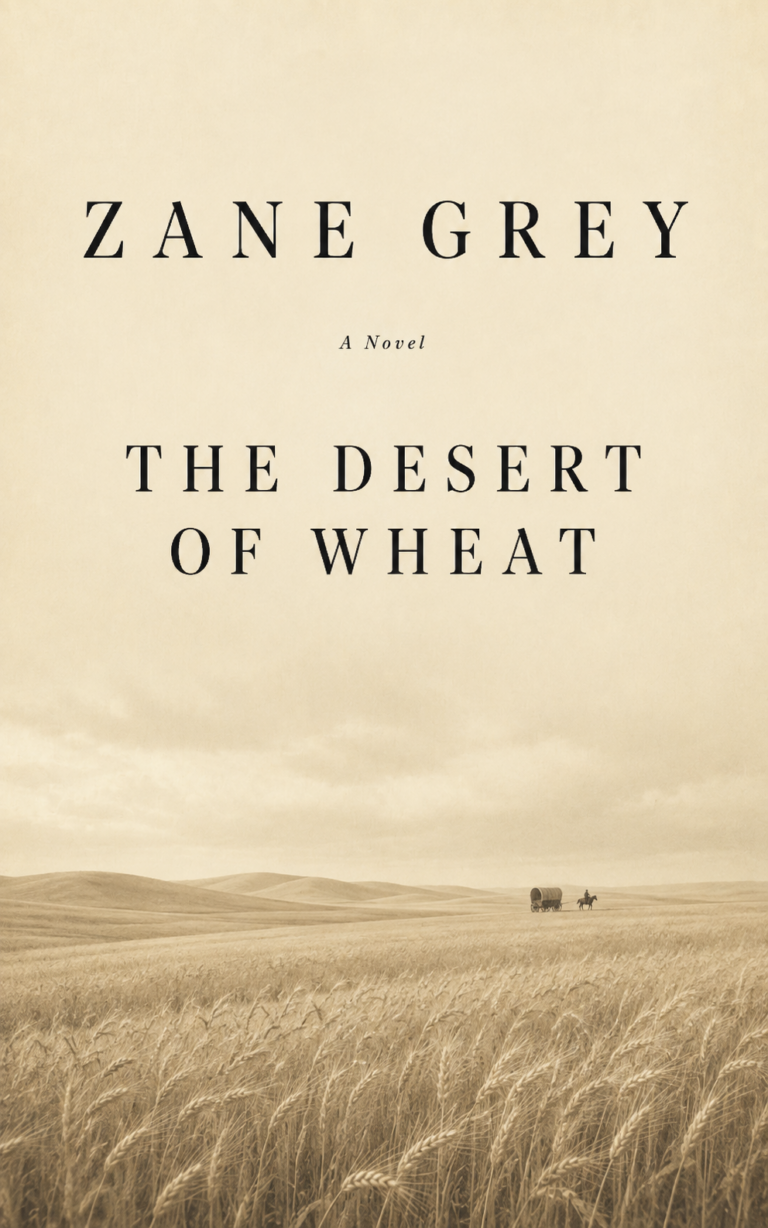
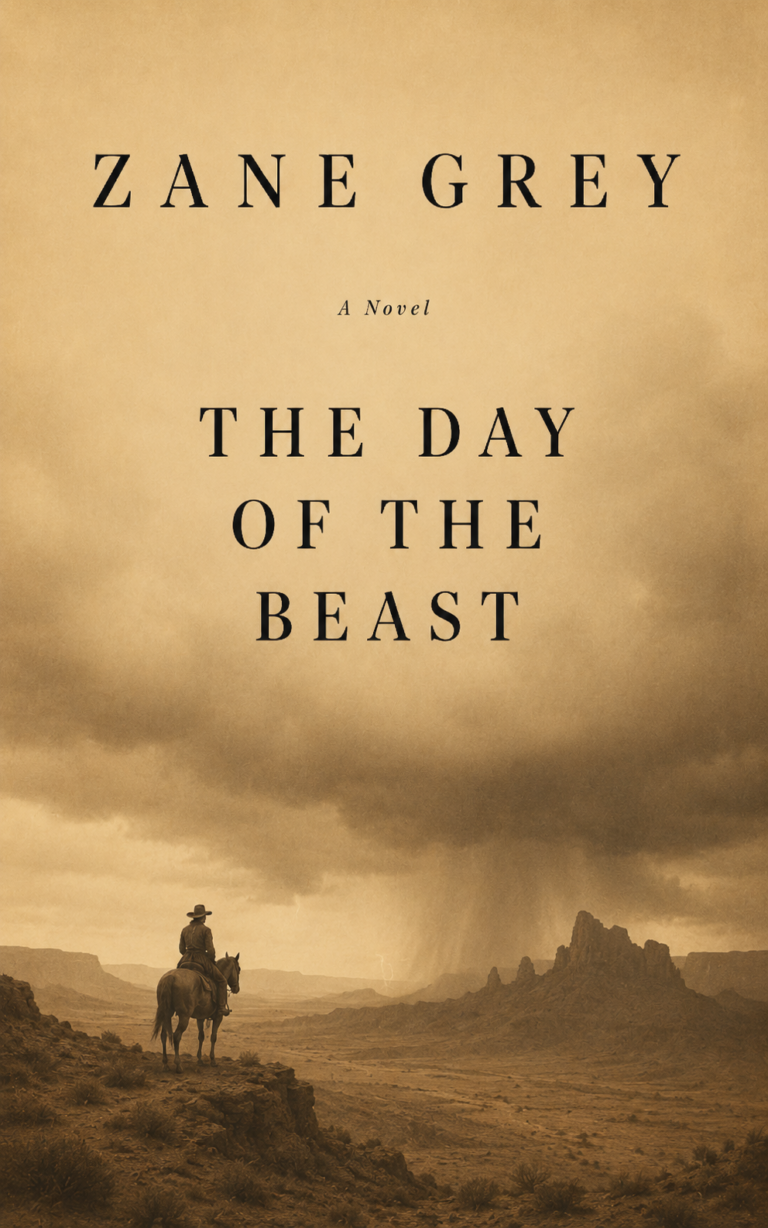
Grey’s much larger body of Western fiction moves mainly into the nineteenth-century American West. Riders of the Purple Sage and its sequel The Rainbow Trail are set in Utah and deal with isolated settlements, religious authority, cattle country and frontier violence; The Border Legion, The Heritage of the Desert, Robbers’ Roost, Arizona Ames and The Hash Knife Outfit similarly draw on the history and mythology of the post-Civil War West. Other novels engage more directly with specific historical changes: The Desert of Wheat and The Day of the Beast reflect the impact of the First World War on American society, while The Vanishing American deals with Navajo life and the consequences of white settlement and government policy. Grey’s fiction therefore ranges from clearly reconstructed eighteenth-century historical novels to Westerns set only a generation or two before he wrote them. Throughout, recurring subjects include settlement, cattle ranching, outlaws, railroads, Indigenous-white relations and the transformation of the frontier as the older West disappeared.































 Louis L’Amour
97 books
Louis L’Amour
97 books
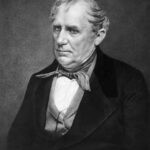 James Fenimore Cooper
25 books
James Fenimore Cooper
25 books
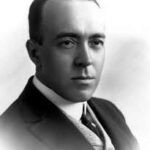 Edgar Rice Burroughs
41 books
Edgar Rice Burroughs
41 books