Mpande kaSenzangakhona was king of the Zulu kingdom from 1840 to 1872 and a half-brother of Shaka and Dingane. He came to power after breaking with Dingane and securing support from the Voortrekkers. His long reign provided a period of relative continuity, although in its later years his son Cetshwayo increasingly exercised effective political authority.
Mpande secured the throne with Boer assistance after Dingane’s defeat and then ruled for more than three decades, longer than any other nineteenth-century Zulu king. Later in his reign rivalry between his sons Cetshwayo and Mbuyazi developed into open conflict, culminating in Cetshwayo’s victory at Ndondakusuka in 1856. Mpande remained king until his death, but Cetshwayo increasingly dominated political affairs.
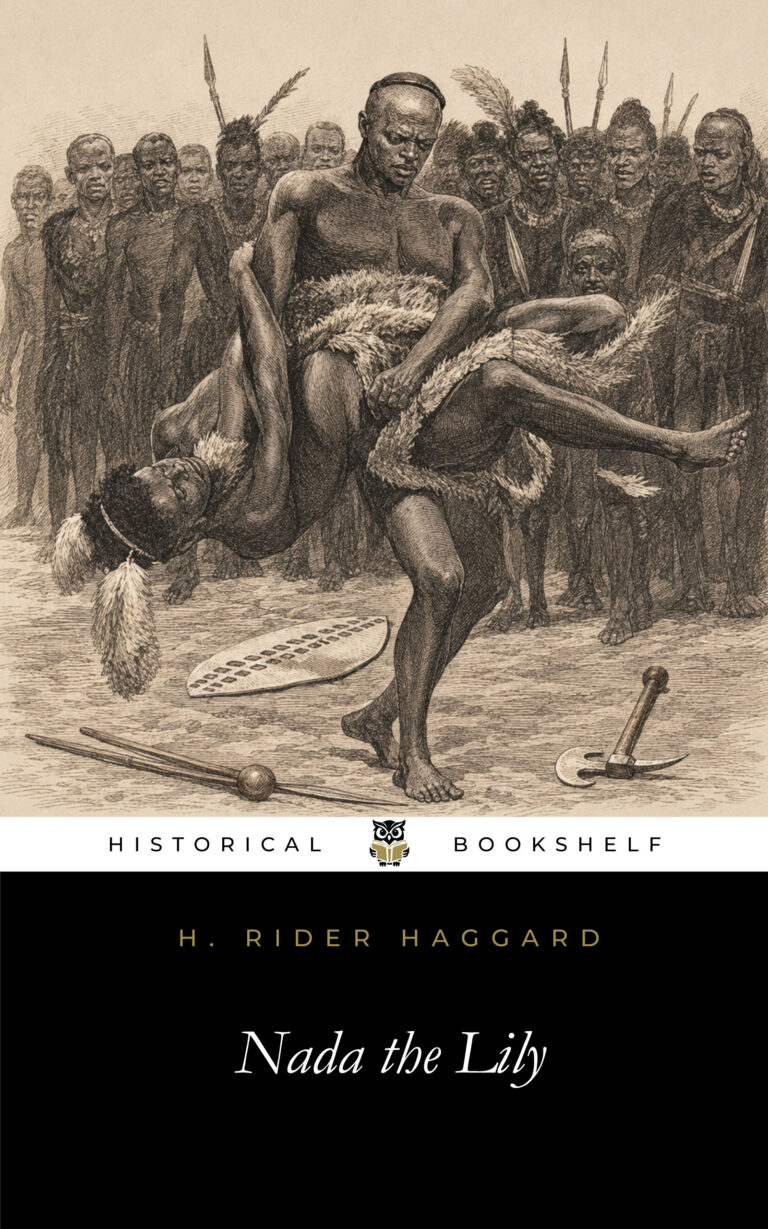
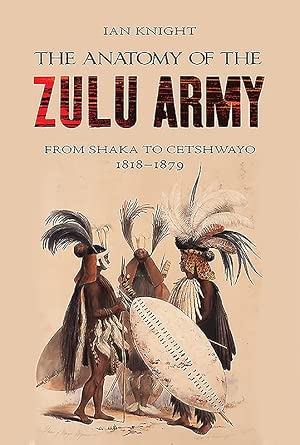
H. Rider Haggard’s Child of Storm is set during Mpande kaSenzangakhona’s reign, when rivalry over the succession and Cetshwayo’s growing power provide the royal background to the fictional conflict around Mameena and Saduko. Nada the Lily reaches Mpande through the violent dynastic history that moves from Shaka to Dingane and then to the settlement that places Mpande on the Zulu throne. Ian Knight’s The Anatomy of the Zulu Army examines Mpande’s reign directly as a stage in the development of the amabutho system between the formative rule of Shaka and the later military kingdom inherited by Cetshwayo.