Darius III was the last king of the Achaemenid Persian Empire, ruling from 336 to 330 BC. He inherited a vast but politically strained state just as Alexander the Great invaded Asia. Darius was defeated at Issus and Gaugamela, although he repeatedly attempted to regroup and negotiate.
While retreating east after the final collapse of organised resistance, he was seized and killed by the satrap Bessus, allowing Alexander to present himself as his avenger and legitimate successor. Darius III was born in Persis and died in Bactria.
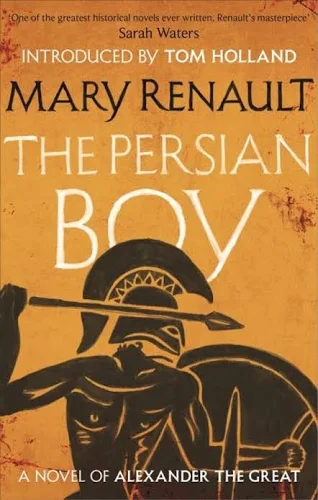
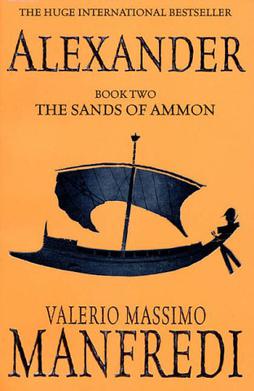
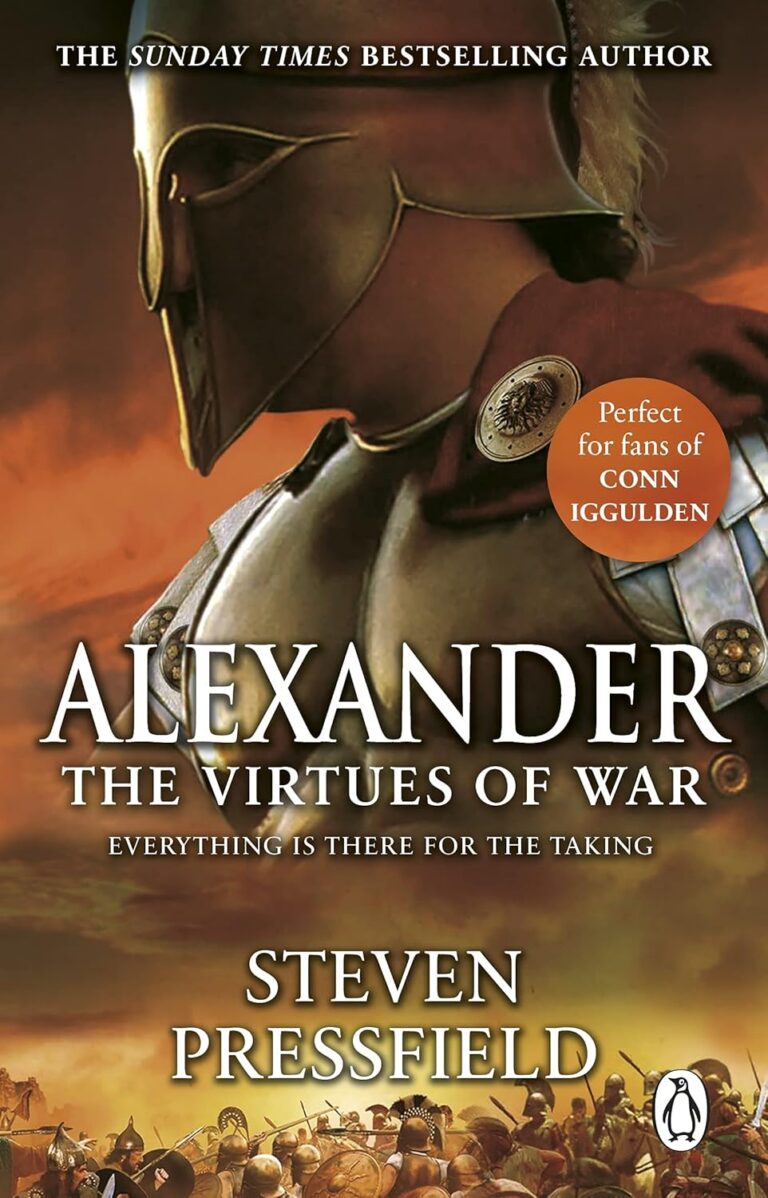
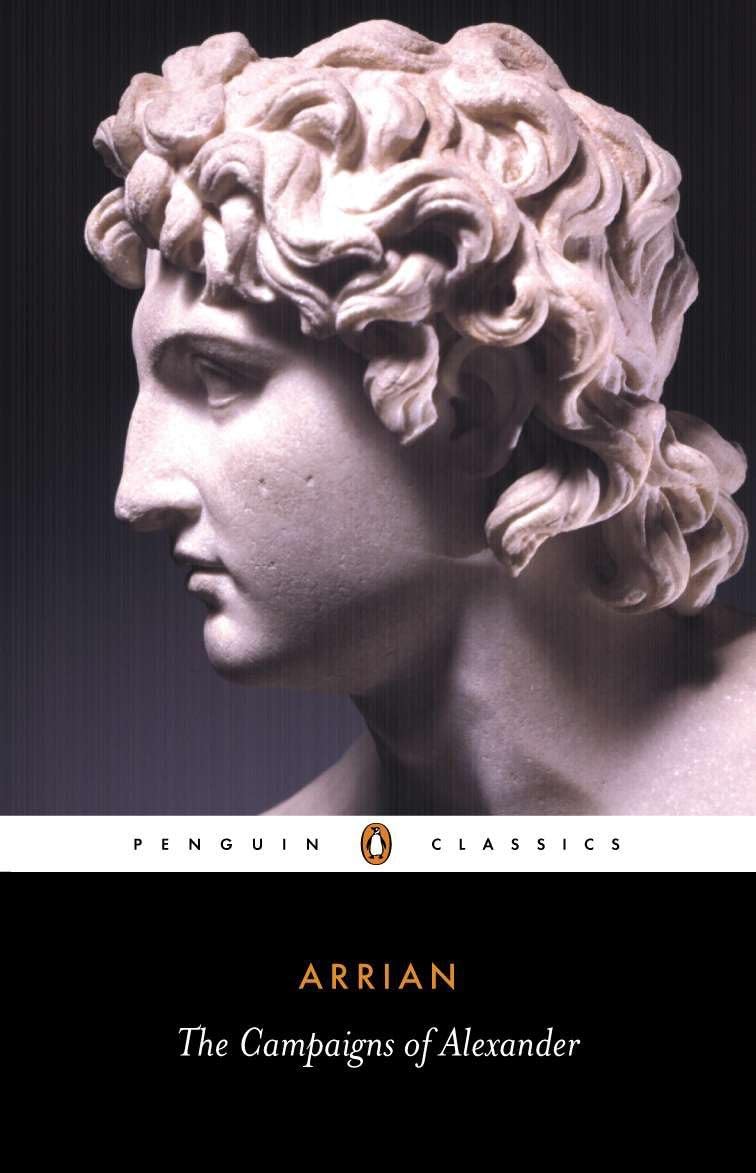
In Quintus Curtius Rufus’ The History of Alexander, Curtius follows Alexander’s war against Darius III through Issus, Tyre, Gaugamela, Babylon and Persepolis, then across Central Asia and into India before the army’s punishing return through Gedrosia. Military operations are interwoven with speeches, court intrigue and an increasingly critical study of kingship. Arrian’s The Campaigns of Alexander covers the Granicus, Issus, the siege of Tyre, Gaugamela, the pursuit of Darius III, campaigns in Bactria and Sogdiana, and the Indian campaign including the Hydaspes. Further fictional perspectives on Darius III can be found in Steven Pressfield’s Alexander, Paul Doherty’s The House of Death, Mary Renault’s The Persian Boy, and Valerio Massimo Manfredi’s The Sands of Ammon. For broader historical treatment of Darius III, see Diodorus Siculus’ The Library, Books 16-20.