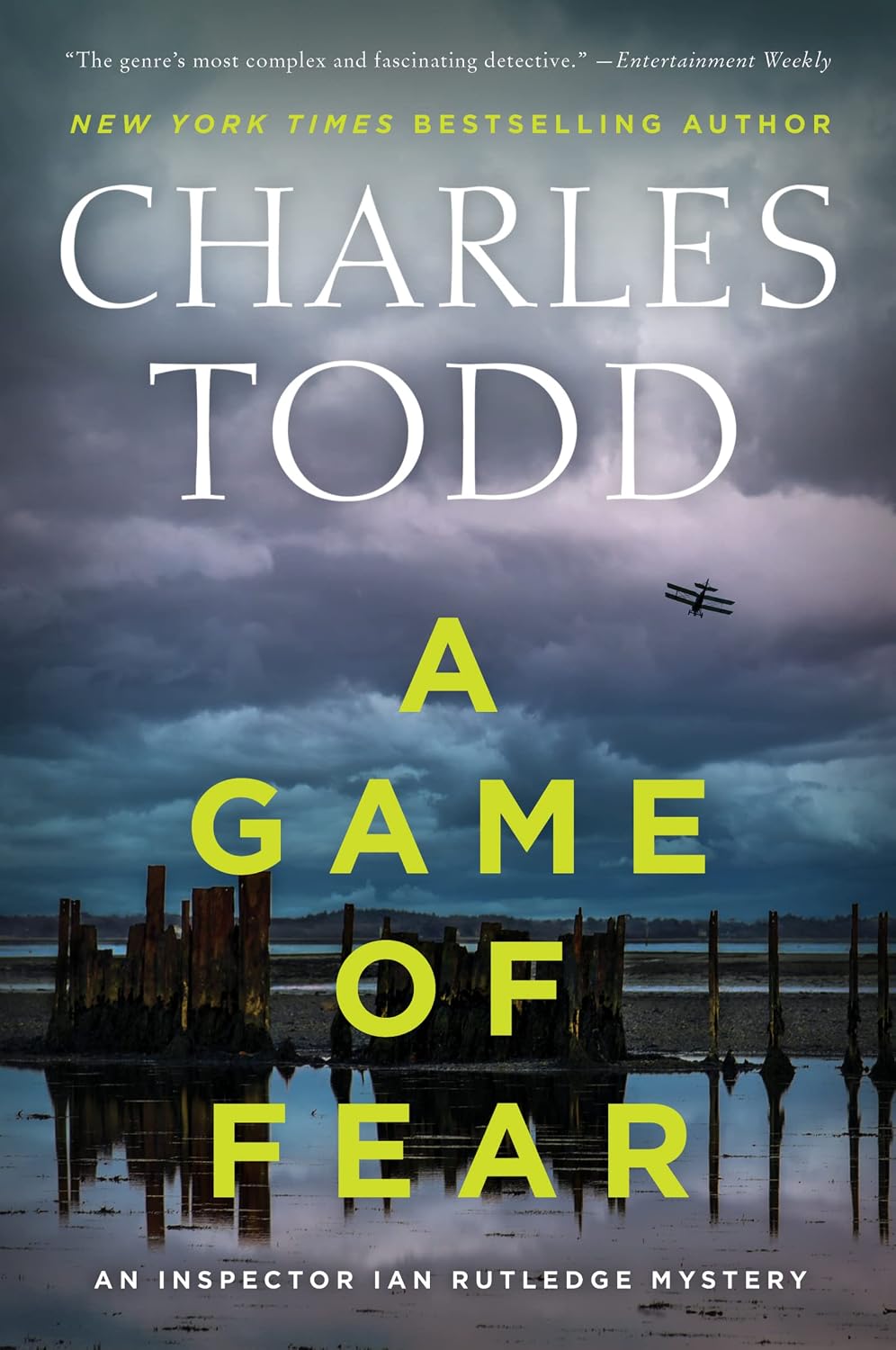
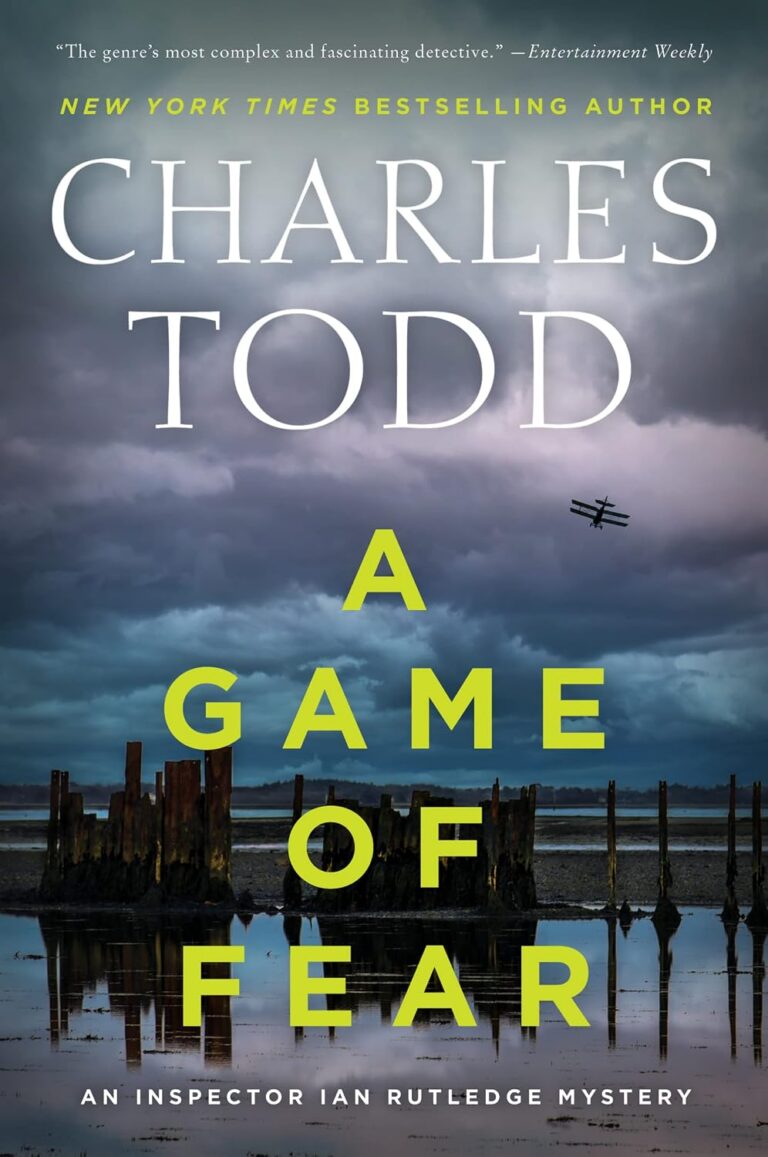
In the spring of 1921, Rutledge is sent to an Essex manor after Lady Benton reports witnessing a murder for which there is no body, blood or missing person. She identifies the killer as Captain Nelson, an airman believed to have died during the war. The surrounding village dismisses her as a grieving widow, but Rutledge finds her precise and rational, and further accidents suggest that the abandoned military airfield and the manor share a hidden history.
The case turns the language of haunting into a problem of wartime records and unresolved disappearance. Aviation created new forms of death in which bodies were often never recovered, leaving families dependent on official statements. Rutledge must decide whether the supposed ghost is a survivor, an impostor or a weapon used against a woman whose testimony others find convenient to ignore.





















 Jacqueline Winspear
20 books
Jacqueline Winspear
20 books
 Anne Perry
72 books
Anne Perry
72 books
 Evelyn James
55 books
Evelyn James
55 books
 Sir Arthur Conan Doyle
24 books
Sir Arthur Conan Doyle
24 books
 Rhys Bowen
53 books
Rhys Bowen
53 books