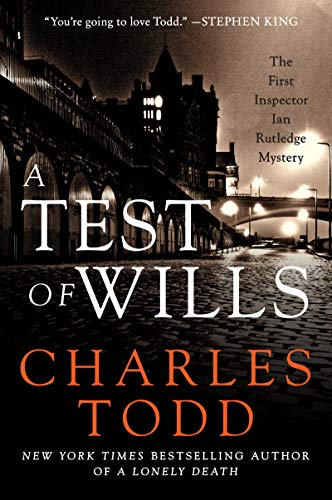
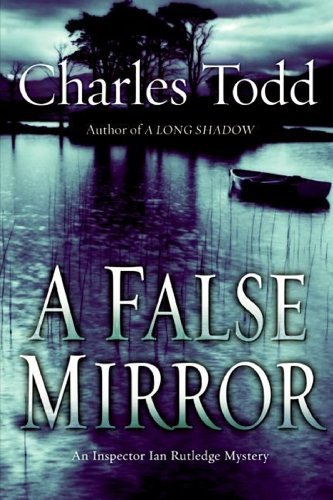
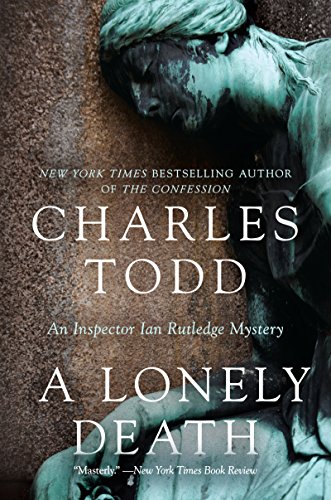
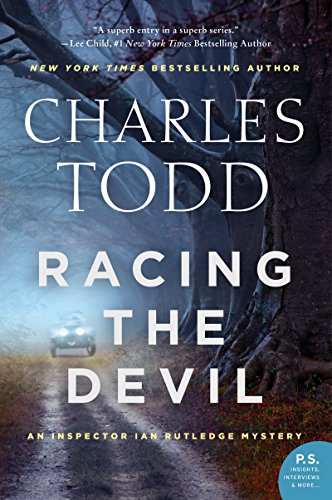
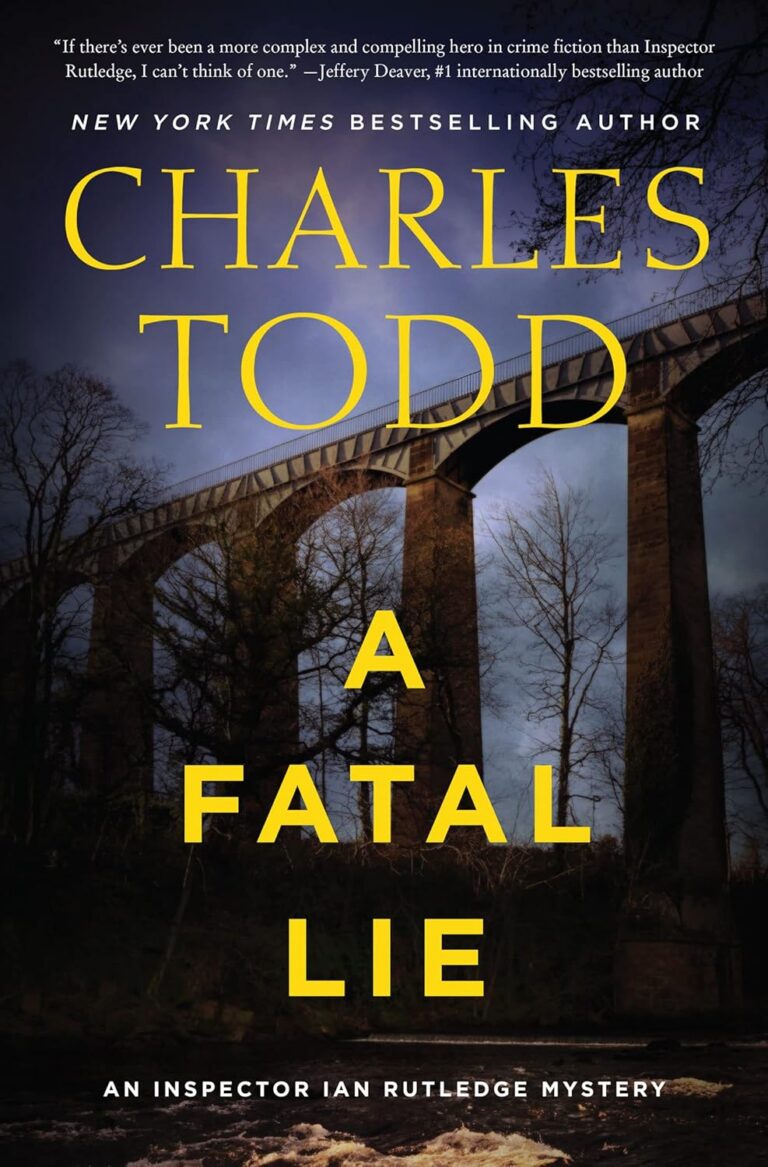
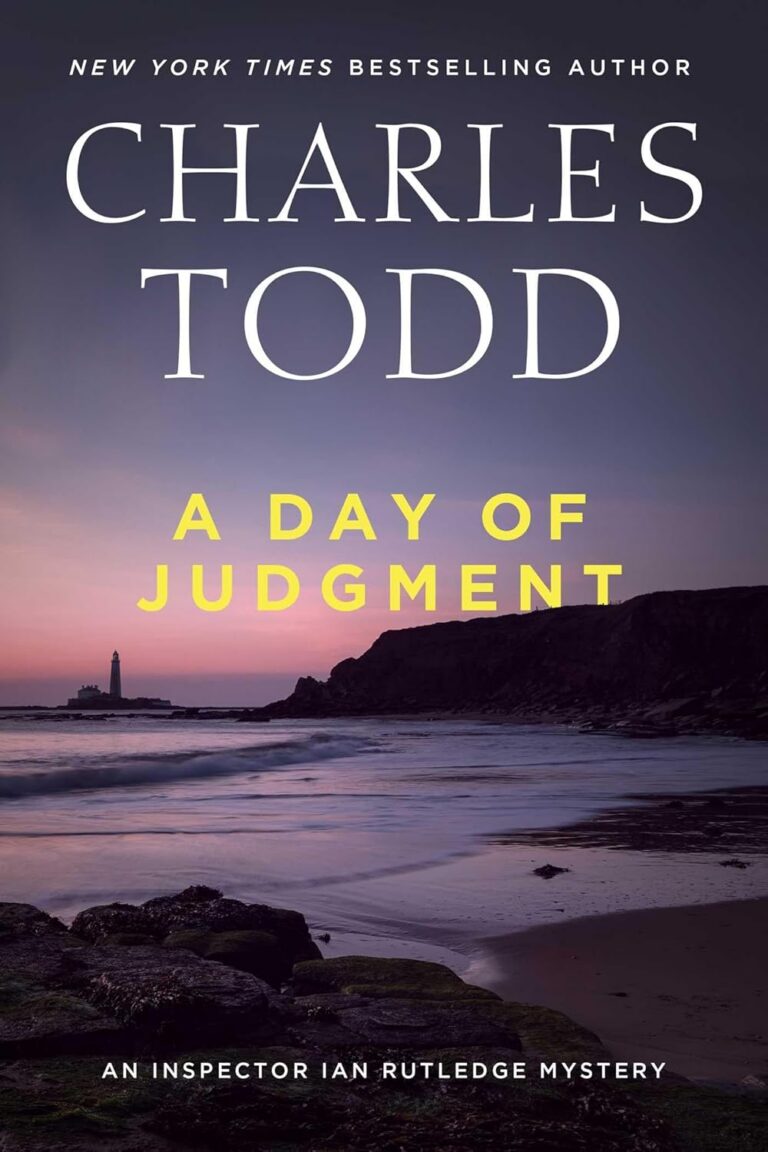
Driving late at night, Rutledge encounters a frightened woman standing beside the body of a man shot on a deserted road. The apparent witness knows little about the victim, and the investigation soon reaches a bookseller whose influence in the community conceals bitter private disputes. A second killing suggests that the murderer is selecting targets according to a logic rooted in loss rather than immediate gain.
The roadside discovery places Rutledge outside formal police procedure from the first moment, making his own observations unusually important. The case explores how bereavement can harden into a demand that others suffer equally, while post-war communities maintain polite surfaces over unresolved grief.


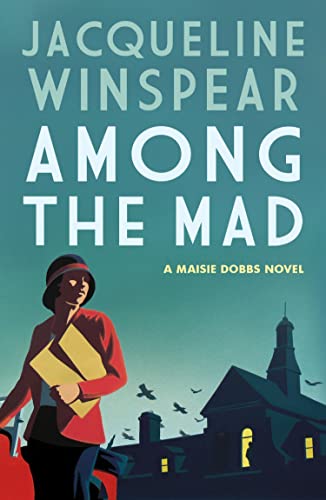
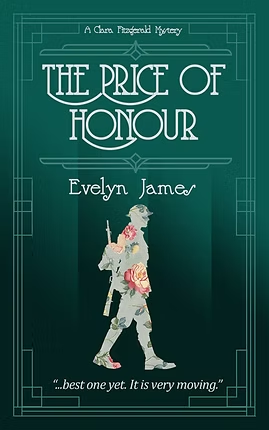
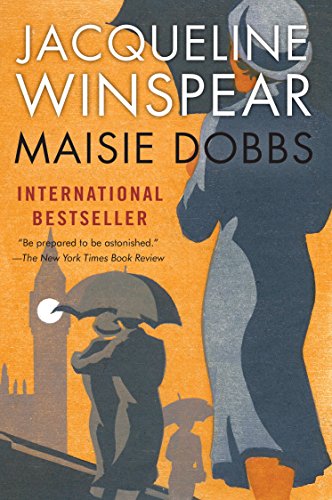
 Jacqueline Winspear
20 books
Jacqueline Winspear
20 books
 Anne Perry
72 books
Anne Perry
72 books
 Evelyn James
55 books
Evelyn James
55 books
 Sir Arthur Conan Doyle
24 books
Sir Arthur Conan Doyle
24 books
 Rhys Bowen
53 books
Rhys Bowen
53 books