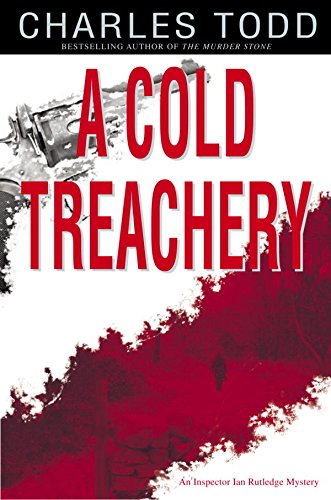
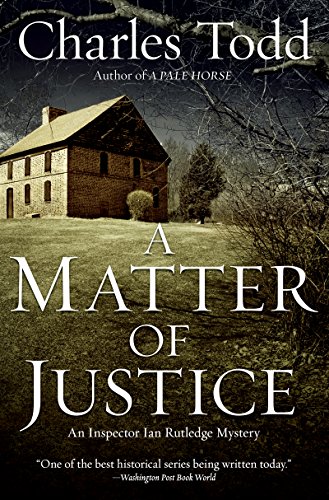
In May 1920, a wealthy and widely disliked businessman is found murdered in a medieval tithe barn on his Somerset estate. The staging suggests punishment rather than simple robbery, and Rutledge uncovers grievances reaching back to imperial ventures, financial betrayal and men who died far from England. The victim’s success has protected him for years, but it has also created a long list of people who believe justice was denied.
The novel contrasts legal investigation with private revenge. Wealth accumulated through empire and speculation has entered the English countryside, where respectable status conceals the cost paid by subordinates and partners. Rutledge must determine which wrong inspired the murder without allowing moral disgust to substitute for evidence.











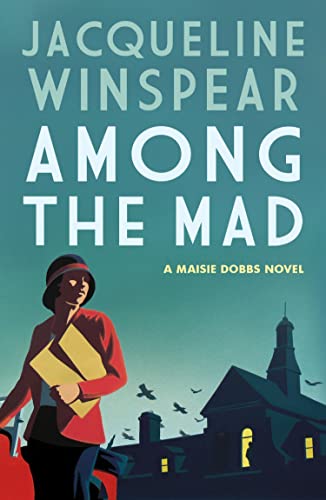
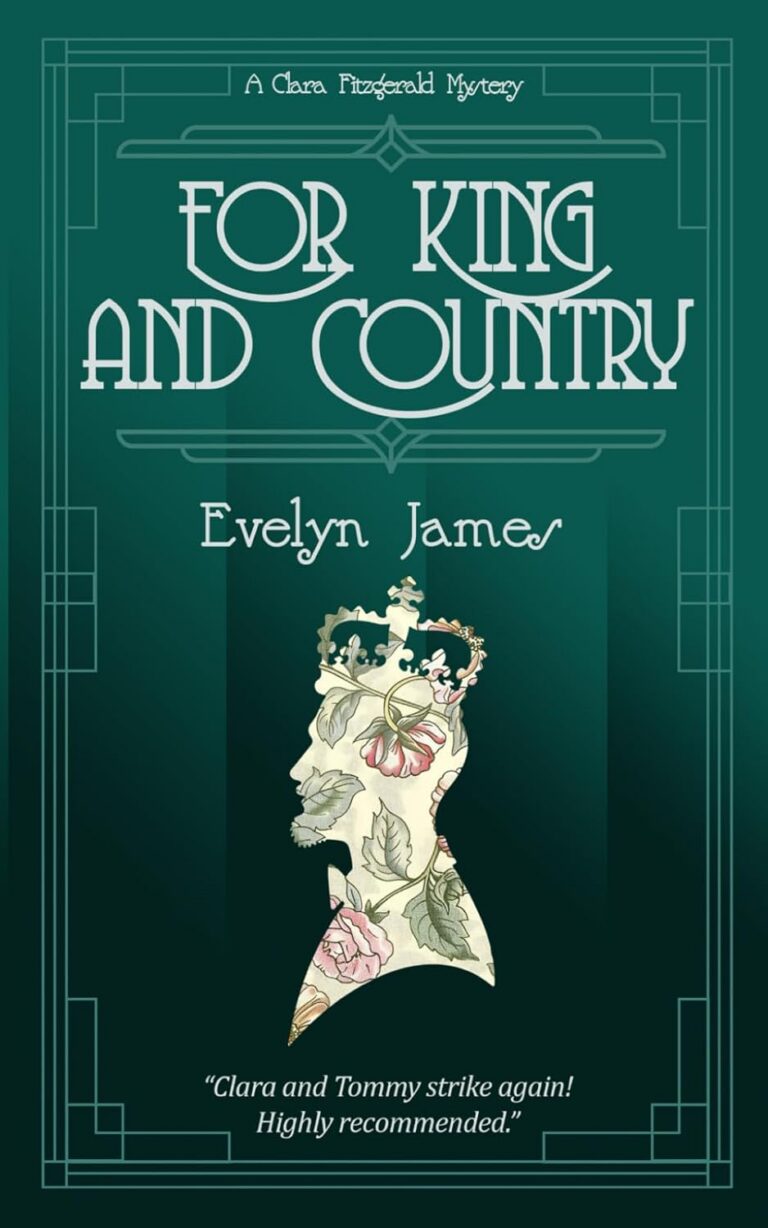

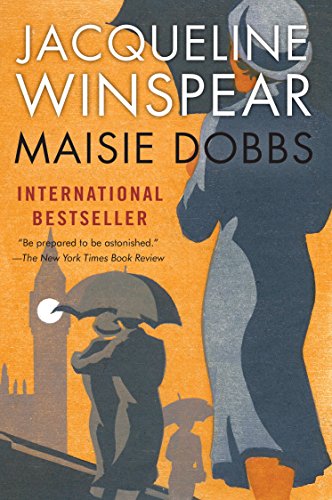






 Jacqueline Winspear
20 books
Jacqueline Winspear
20 books
 Anne Perry
72 books
Anne Perry
72 books
 Evelyn James
55 books
Evelyn James
55 books
 Sir Arthur Conan Doyle
24 books
Sir Arthur Conan Doyle
24 books
 Rhys Bowen
53 books
Rhys Bowen
53 books