Anne Askew was an English poet, Protestant reformer and religious witness who openly challenged traditional Catholic doctrines during the final years of Henry VIII’s reign. Arrested and interrogated for her beliefs, she refused to recant or to implicate reform-minded women close to Queen Catherine Parr.
In 1546 she was illegally tortured on the rack despite her gentle birth and then burned at Smithfield, leaving written accounts that made her a lasting Protestant martyr. Anne Askew was born in Lincolnshire and died in Smithfield.
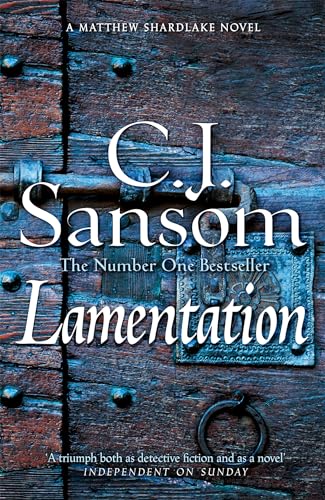
C. J. Sansom’s Lamentation makes Anne Askew’s execution a warning of the danger facing evangelical reformers at Henry VIII’s court as Matthew Shardlake investigates the disappearance of Katherine Parr’s religious manuscript. Sandra Byrd’s The Secret Keeper places Askew within the reformist networks and heresy politics surrounding Parr and Thomas Seymour. Alison Weir’s Katharine Parr uses Askew’s interrogation and death to show how closely the queen’s own religious interests could be associated with beliefs the regime was prepared to punish as treasonous or heretical.