Thomas Chaloner in Order
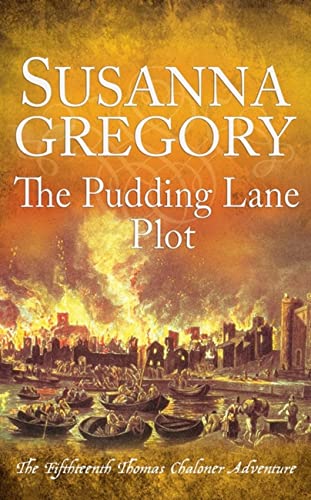
The Thomas Chaloner mysteries follow a former Commonwealth intelligencer attempting to survive after the restoration of Charles II. Employed by the Earl of Clarendon, Chaloner works inside a court that distrusts his Parliamentarian past, investigating murder, corruption and political conspiracy in London during the first turbulent years of…
All books in this series

1. A Conspiracy of Violence
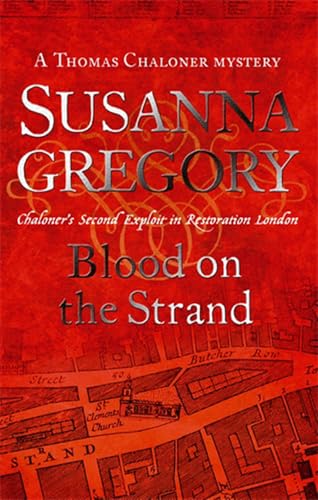
2. Blood on the Strand
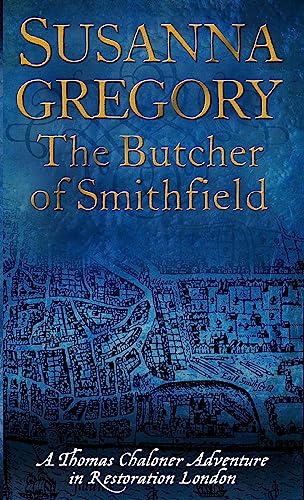
3. The Butcher of Smithfield

4. The Westminster Poisoner
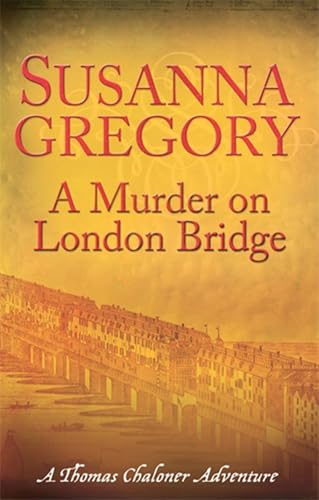
5. A Murder on London Bridge
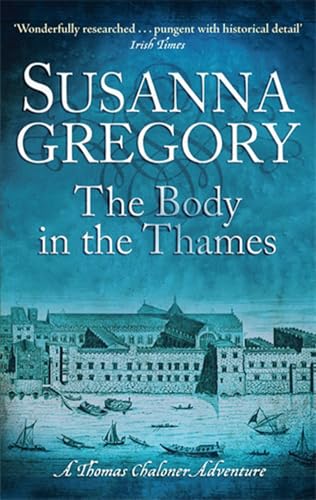
6. The Body in the Thames
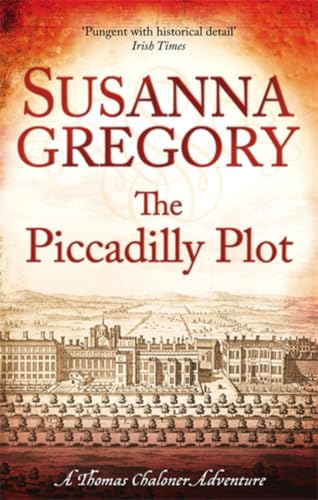
7. The Piccadilly Plot
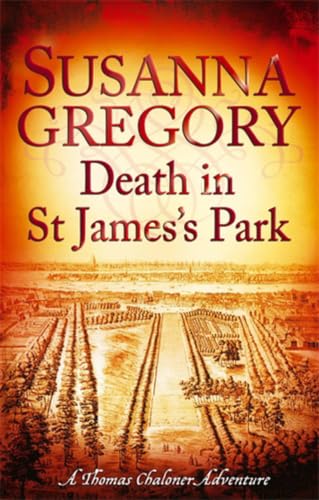
8. Death in St James’s Park
9. Murder on High Holborn
10. The Cheapside Corpse

11. The Chelsea Strangler
12. The Executioner of St Paul’s

13. Intrigue in Covent Garden

14. The Clerkenwell Affair