c. 940–989
Bardas Phokas the Younger belonged to one of the Byzantine Empire’s most powerful military aristocratic families. A grandson of Emperor Nikephoros II Phokas, he first rebelled against John I Tzimiskes in 970 but was defeated and confined. Recalled during the minority of Basil II, Bardas then served the government effectively against the rival rebel Bardas Skleros, defeating him in single combat according to later accounts and helping restore imperial control in Asia Minor.
Basil II’s growing determination to curb the great Anatolian families eventually turned Phokas into an enemy again. In 987 he was proclaimed emperor and led a large revolt that threatened Constantinople, while Basil sought military aid from Vladimir of Kiev and gained the Rus warriors who became associated with the Varangian Guard. In April 989 Phokas suddenly died during the confrontation near Abydos, traditionally described as collapsing while charging the imperial lines. His rebellion was one of the defining crises of Basil II’s early personal rule.
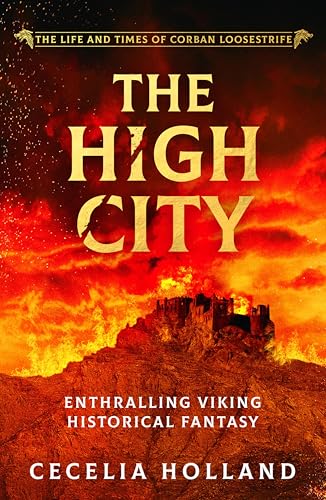
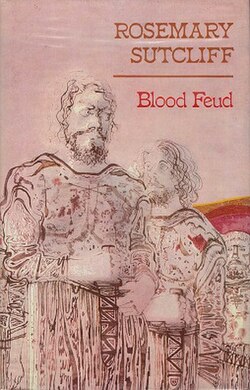
Rosemary Sutcliff’s Blood Feud carries its Norse and English protagonists to Constantinople at a moment when Byzantine civil war makes foreign warriors newly valuable to the emperor. Bardas Phokas the Younger belongs to that dangerous political background as one of the magnates challenging imperial authority. Cecelia Holland’s The High City makes the conflict more direct: Raef arrives with Rus and Norse companions while Phokas is in open rebellion against Basil II, and the newcomers become part of the military response that helps turn northern mercenaries into an early Varangian force.