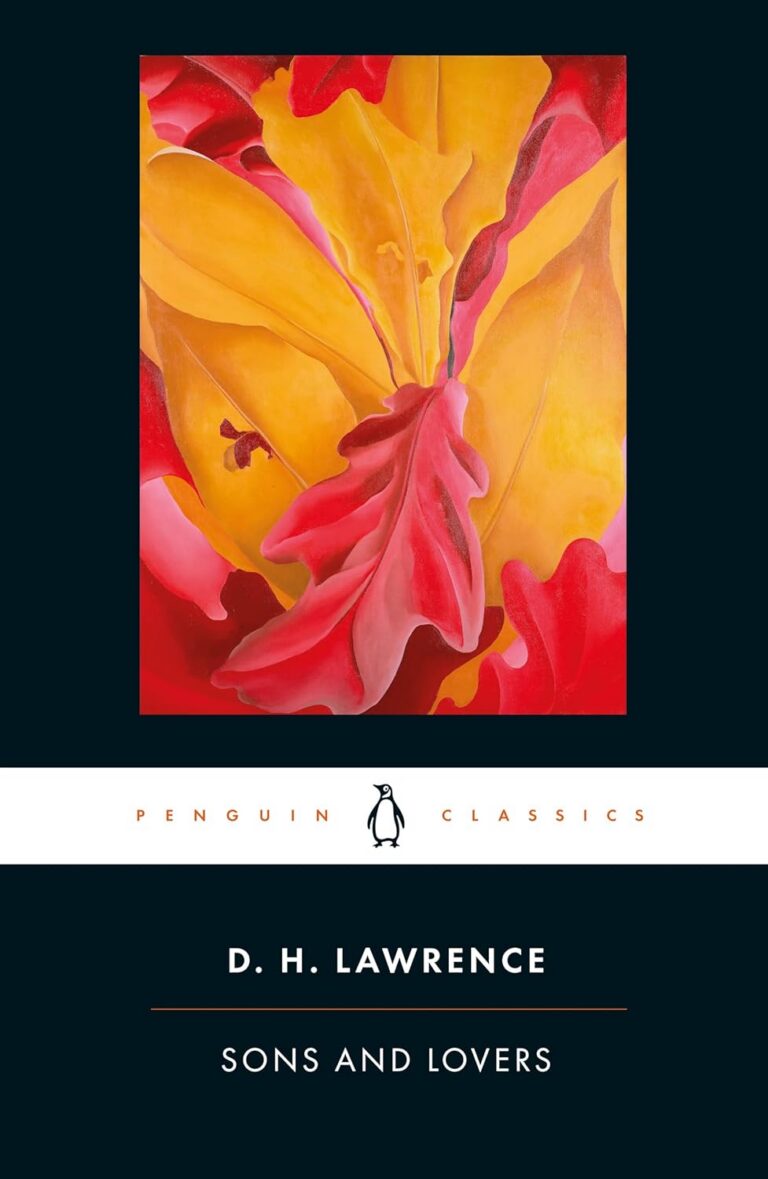
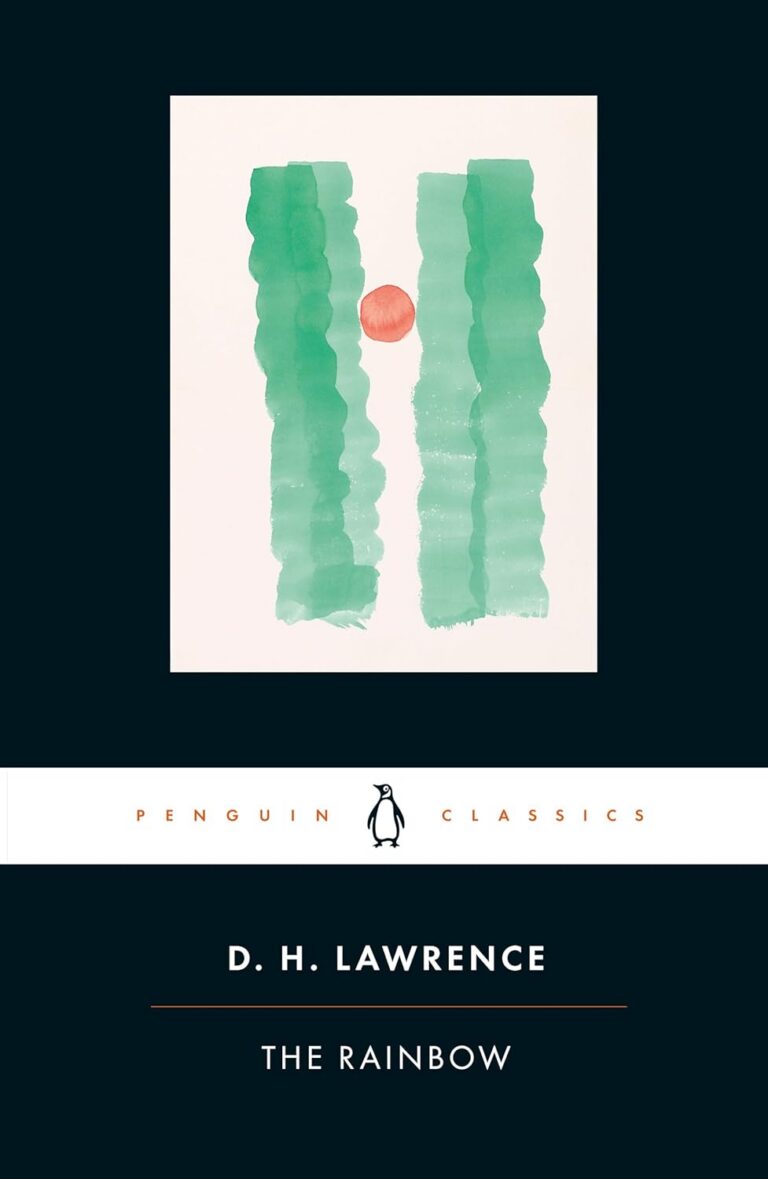
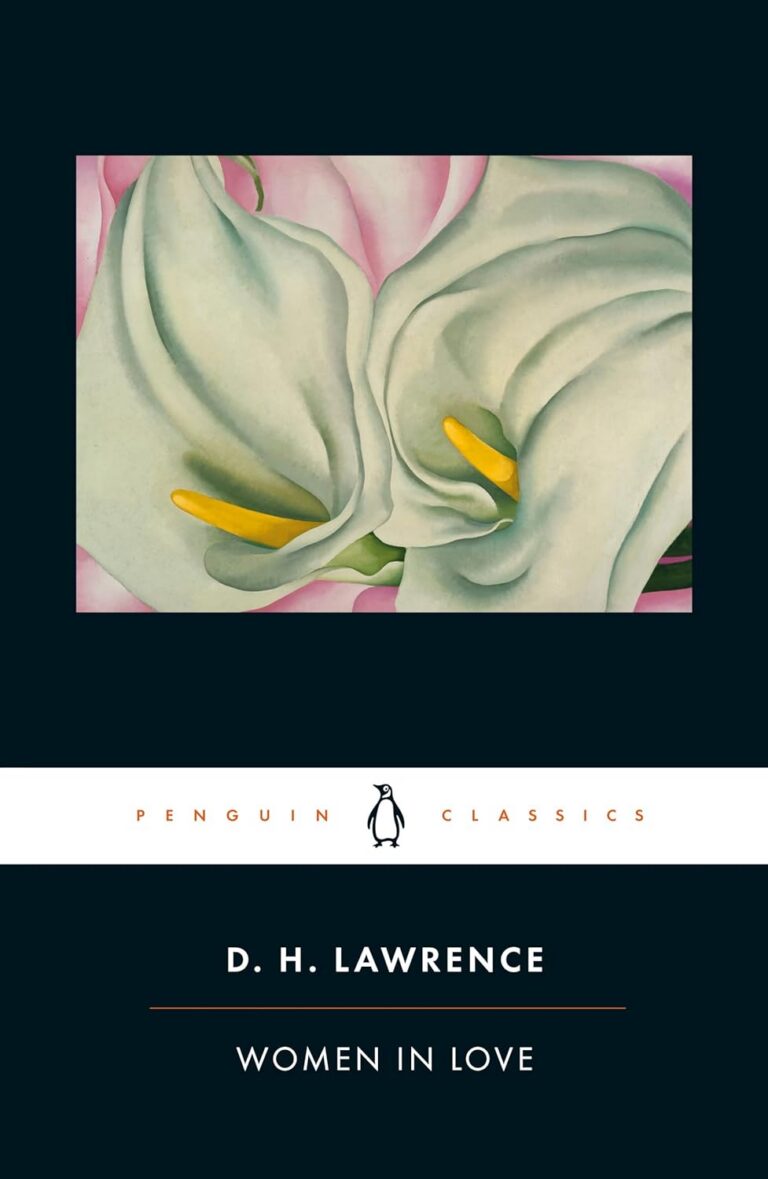
D. H. Lawrence was an English novelist, poet and essayist whose work examined sexuality, marriage, class, industrialisation and the conflict between instinct and social convention. Born in a Nottinghamshire mining community in 1885, he drew heavily on tensions between his working-class father and educated mother. Sons and Lovers transforms this background into the story of Paul Morel, whose emotional dependence on his mother shapes his relationships with Miriam and Clara. The Rainbow and Women in Love follow members of the Brangwen family as they search for personal and sexual freedom amid the social changes of late nineteenth- and early twentieth-century England.
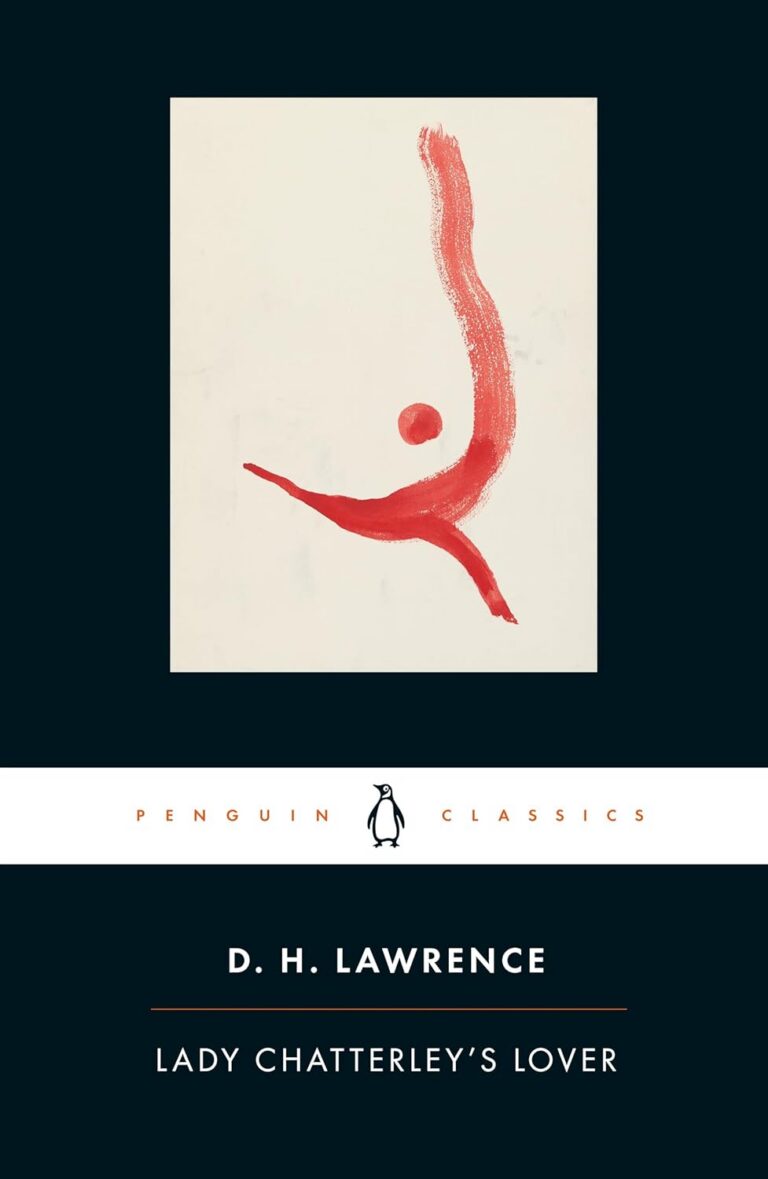
Lawrence’s best-known novel, Lady Chatterley’s Lover, centres on the relationship between the aristocratic Constance Chatterley and Oliver Mellors, a gamekeeper employed on her husband’s estate. Its explicit treatment of sex and its criticism of class hierarchy led to censorship and a celebrated British obscenity trial in 1960. Although Lawrence is not generally classified as a historical novelist, his fiction provides a detailed portrait of England during industrial expansion, the First World War and its aftermath. Novels such as The Lost Girl, Aaron’s Rod and Kangaroo also explore migration, political unrest and dissatisfaction with modern European society.

 Tracy Chevalier
9 books
Tracy Chevalier
9 books
 Agatha Christie
68 books
Agatha Christie
68 books
 Barbara Taylor Bradford
15 books
Barbara Taylor Bradford
15 books
 Margery Sharp
9 books
Margery Sharp
9 books
 Rhys Bowen
53 books
Rhys Bowen
53 books
 Catherine Cookson
96 books
Catherine Cookson
96 books