Series
Series about Antebellum Mississippi Valley (1 series)
Benjamin January Mysteries in Order
Benjamin January is a free man of colour, a trained surgeon and a professional musician living in New Orleans during the decades before the American Civil War. His investigations move through Creole drawing rooms, music halls, hospitals, plantations, riverboats and slave quarters, where formal law is shaped by…

1. A Free Man of Color
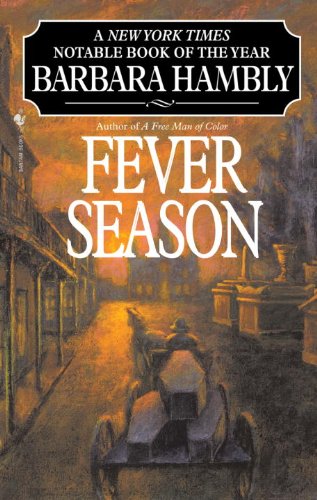
2. Fever Season
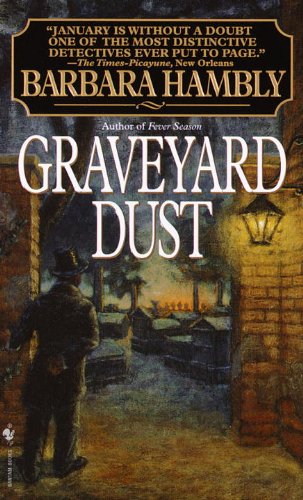
3. Graveyard Dust

4. Sold Down the River

5. Die Upon a Kiss

6. Wet Grave
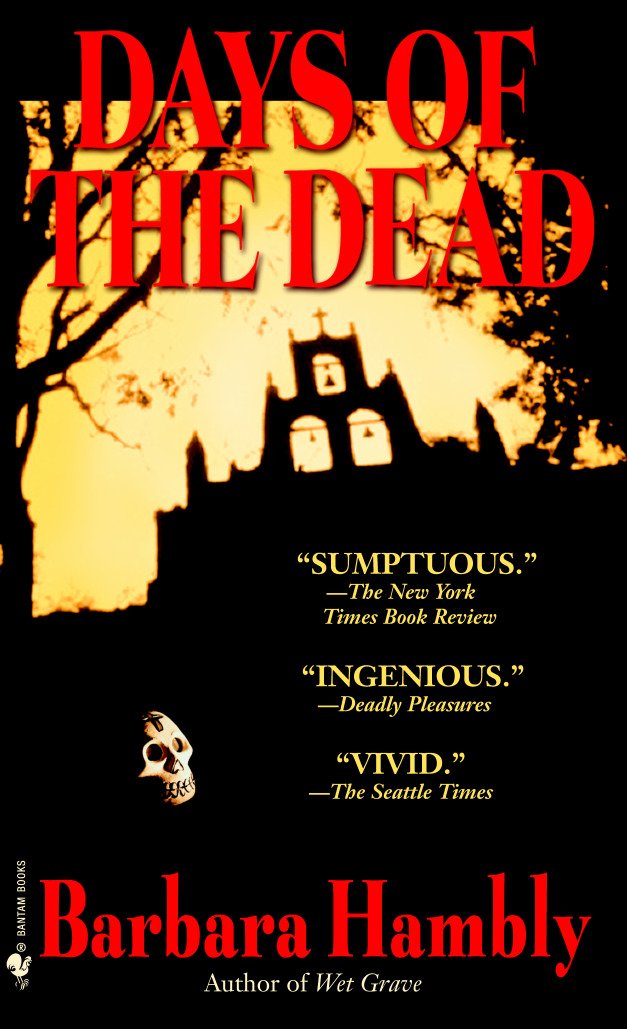
7. Days of the Dead

8. Dead Water

9. Dead and Buried

10. The Shirt on His Back

11. Ran Away

12. Good Man Friday

13. Crimson Angel

14. Drinking Gourd

15. Murder in July

16. Cold Bayou

17. Lady of Perdition

18. House of the Patriarch

19. Death and Hard Cider
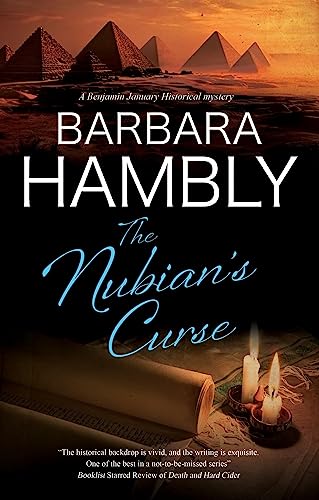
20. The Nubian’s Curse