c. 480s BCE–c. 400s BCE
Euripides was an Athenian tragedian of the fifth century BC. His plays often revisit heroic myths from the perspective of women, captives, foreigners and defeated communities, reflecting the moral and political strains of wartime Athens.
Euripides was born in Salamis Island and died in Pella. Euripides wrote for the Athenian stage during the Peloponnesian War and became known for psychologically complex characters and sceptical treatment of heroic convention; plays such as Medea, Hippolytus and The Bacchae remained influential long after his death.
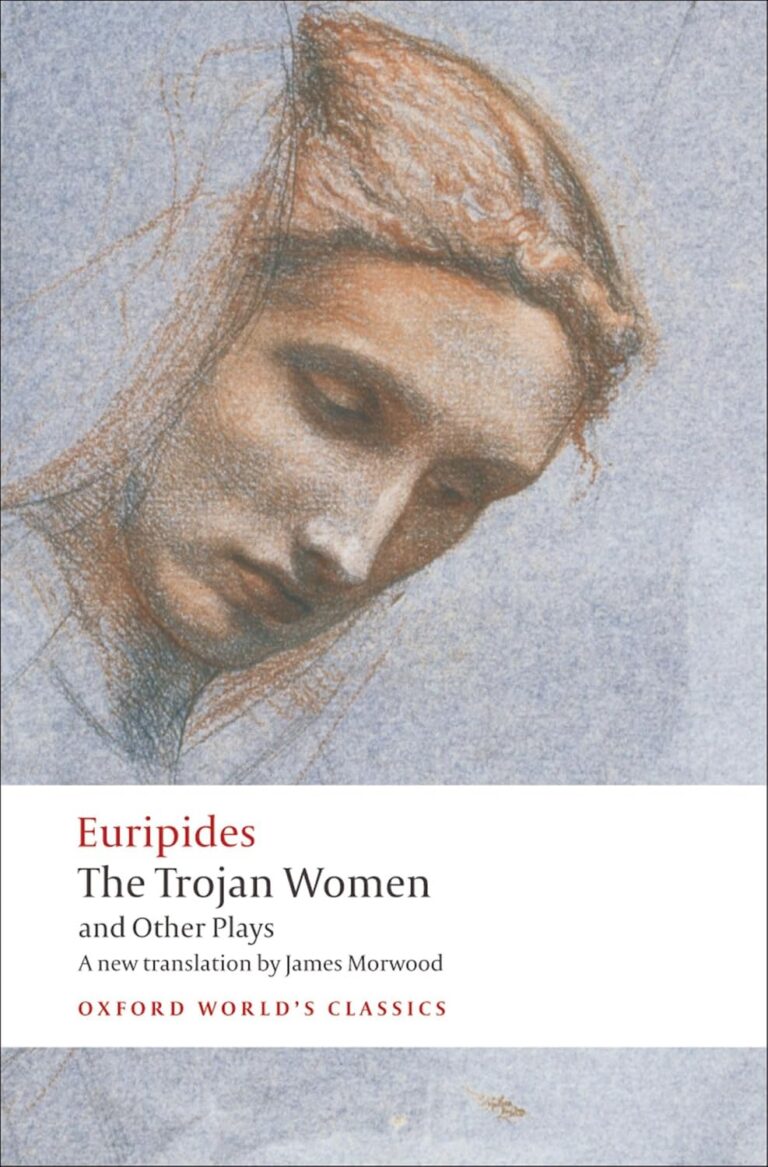
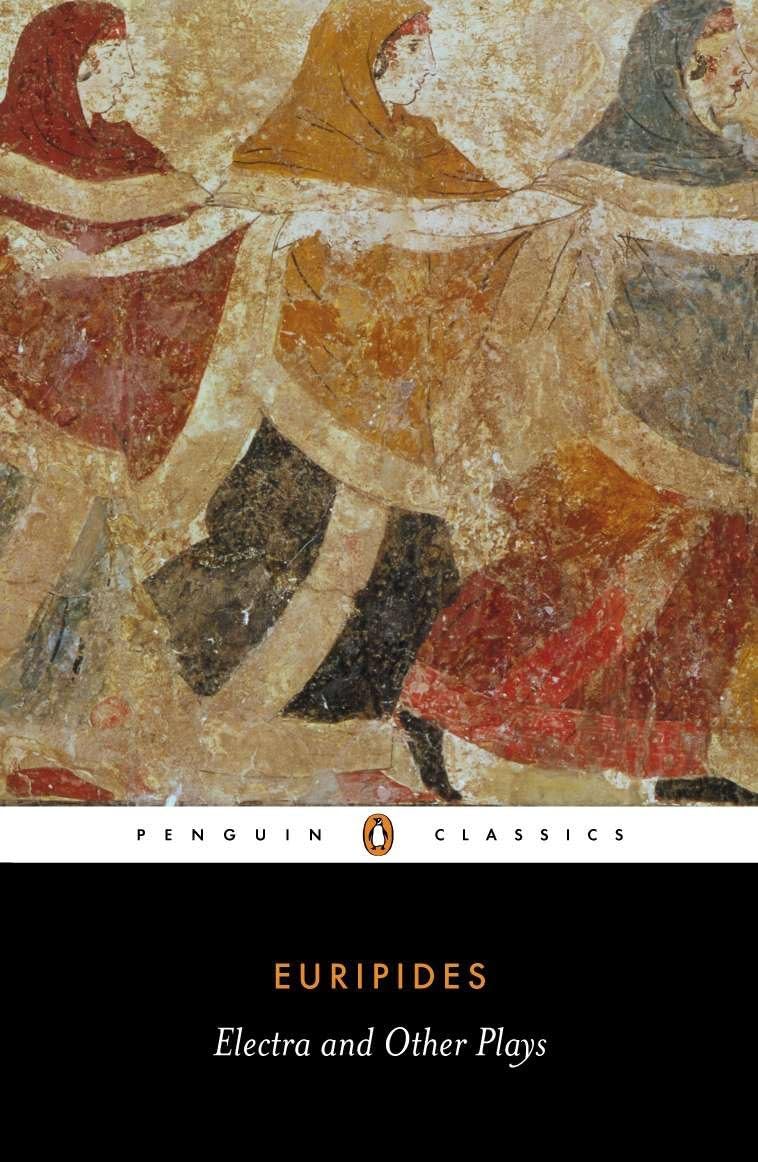
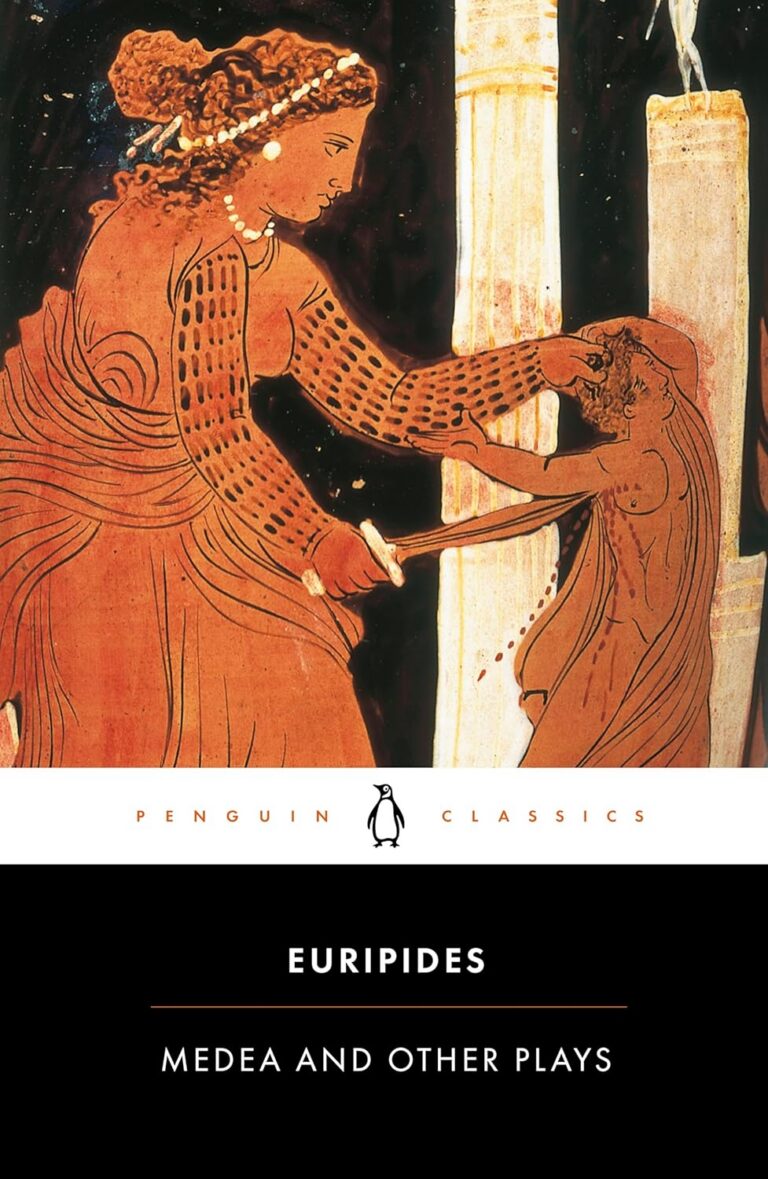
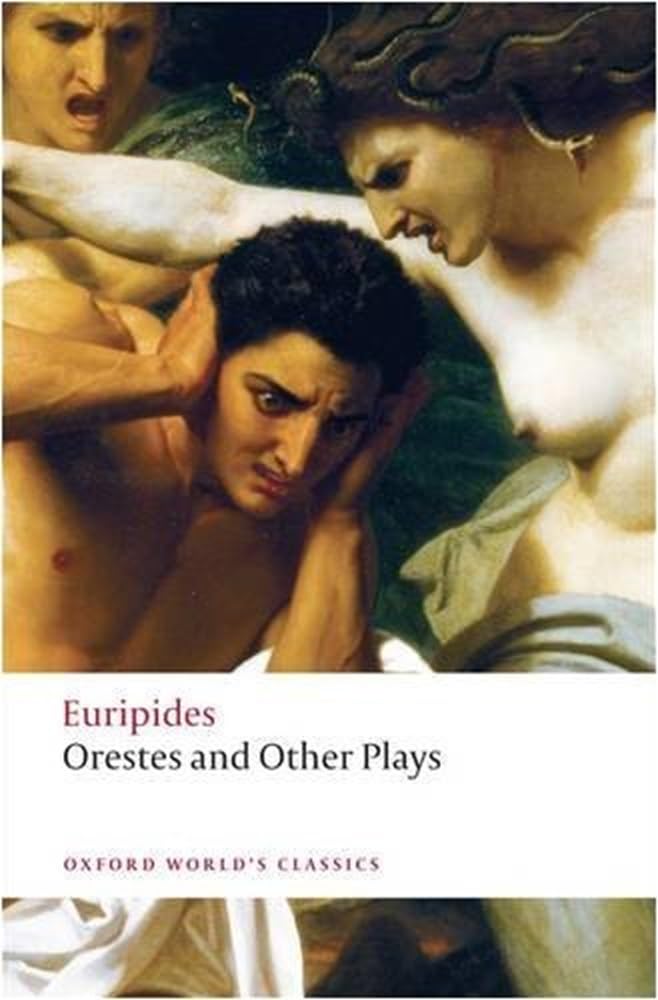
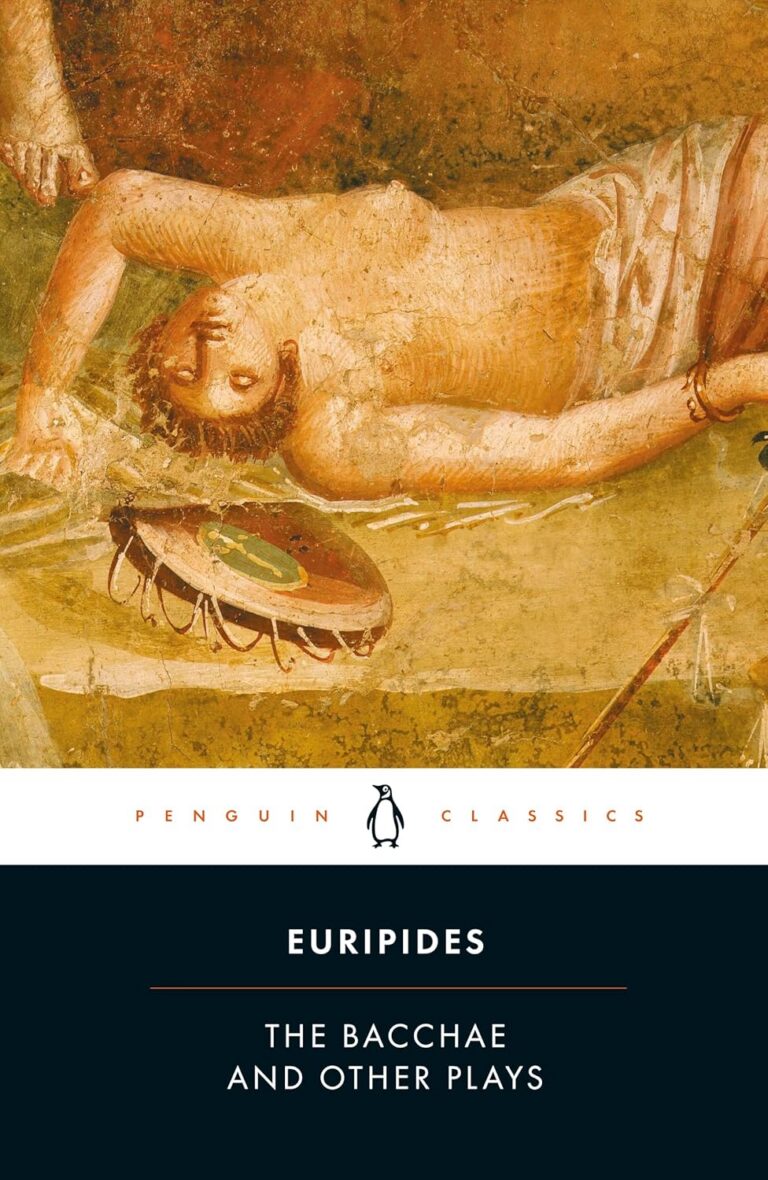
The linked collections present Euripides through the surviving dramas themselves. Medea and Other Plays includes his devastating treatment of Medea’s revenge and the vulnerability of outsiders within the Greek household. The Bacchae and Other Plays shows his late fascination with religious ecstasy, authority and the destructive encounter between Pentheus and Dionysus. The Trojan Women and Other Plays turns the aftermath of Troy into an indictment of war through the fate of captive women. Electra and Other Plays revisits the murder of Clytemnestra and the moral corrosion of revenge, while Orestes and Other Plays follows the same cursed family into political panic, threatened execution and further violence.