Michel Ney was a French marshal of the empire and one of Napoleon’s most famous commanders. Known as the “Bravest of the Brave,” he fought through the Revolutionary and Napoleonic wars and was executed after the Bourbon Restoration for his support of Napoleon during the Hundred Days.
Ney rose through the Revolutionary armies and became one of Napoleon’s original marshals in 1804, earning distinction in campaigns across Germany, Poland and Spain. His command of the rear guard during the catastrophic retreat from Russia in 1812 became central to his military reputation. After briefly accepting the Bourbon Restoration, he rejoined Napoleon during the Hundred Days, fought at Waterloo and was executed for treason in December 1815.
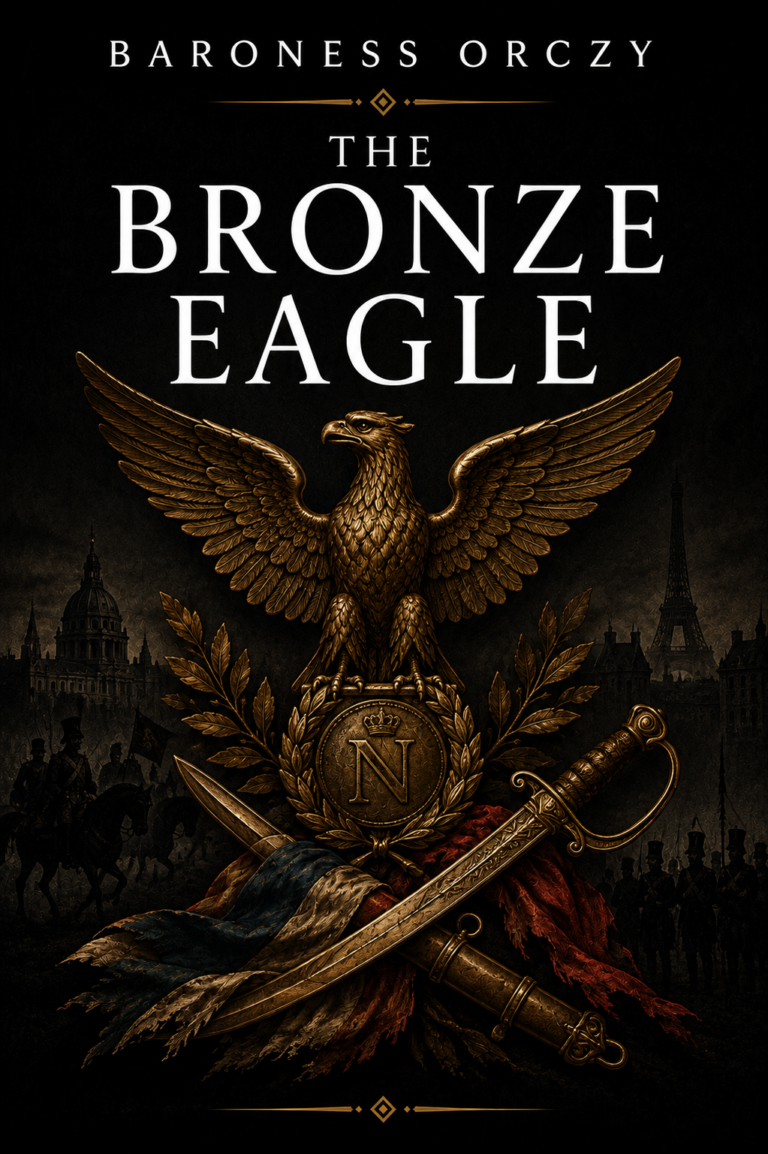
Adrian Goldsworthy’s All in Scarlet Uniform places Marshal Michel Ney on the French side of the struggle for Ciudad Rodrigo, making his pressure on the fortress part of the danger faced by the British and Spanish characters. In Michael Glover’s Four Days in June, Ney is one of the real commanders through whose viewpoint the Waterloo campaign is reconstructed, from Napoleon’s return to the collapse of the French attack. Griff Hosker’s Bloody Badajoz and The Lines of Torres Vedras use the Peninsular campaigns in which Ney and the other French marshals opposed Wellington as the military setting for Robbie Matthews’s missions. Baroness Orczy’s The Bronze Eagle returns Ney to the Hundred Days, where his renewed service to Napoleon belongs to the political and military crisis leading to Waterloo.