Maxentius was a Roman emperor in Italy and Africa from 306 to 312. His defeat by Constantine at the Battle of the Milvian Bridge became a decisive moment in the civil wars of the Tetrarchy and in later Christian imperial memory.
The son of the former emperor Maximian, Maxentius had been excluded from the formal succession arrangements of the Tetrarchy but was proclaimed emperor at Rome in 306 with support from troops and the urban population. He retained control of Italy and, for a time, North Africa while presenting himself as a defender of Rome’s traditional importance. His reign also produced a major building programme in and around the capital, including the vast basilica later completed under Constantine and the palace, circus and mausoleum complex on the Via Appia.
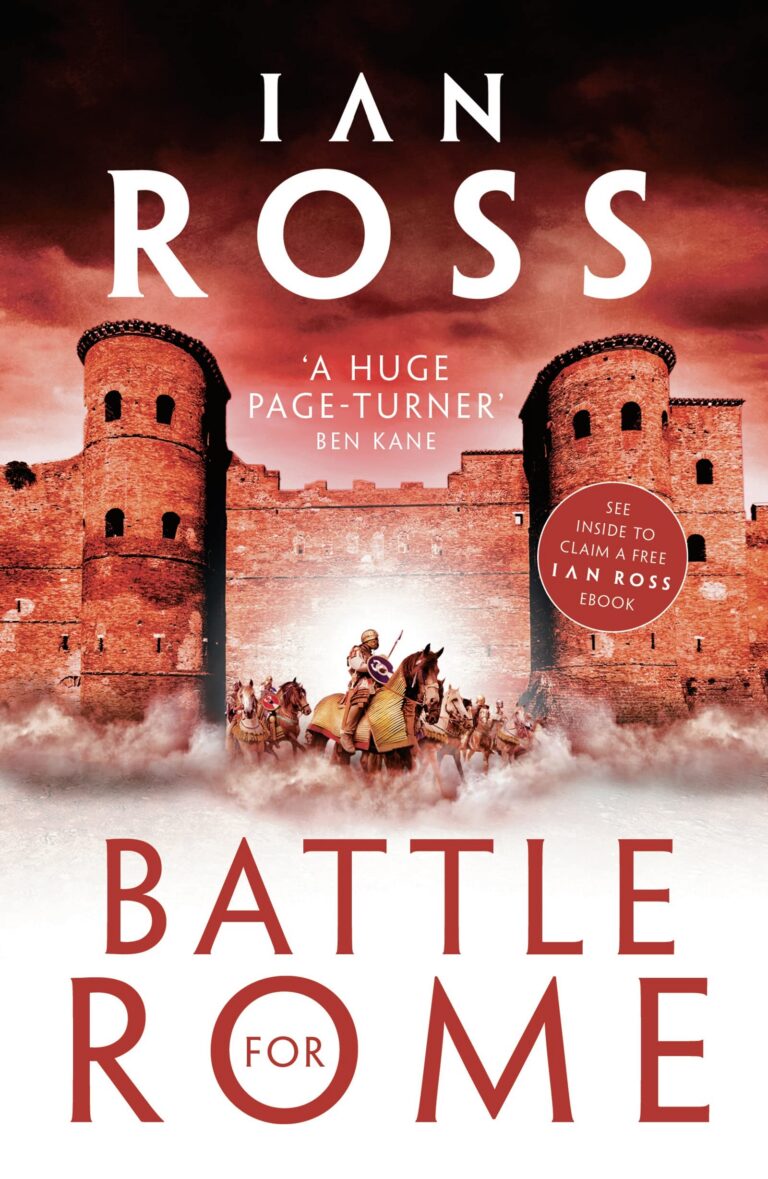
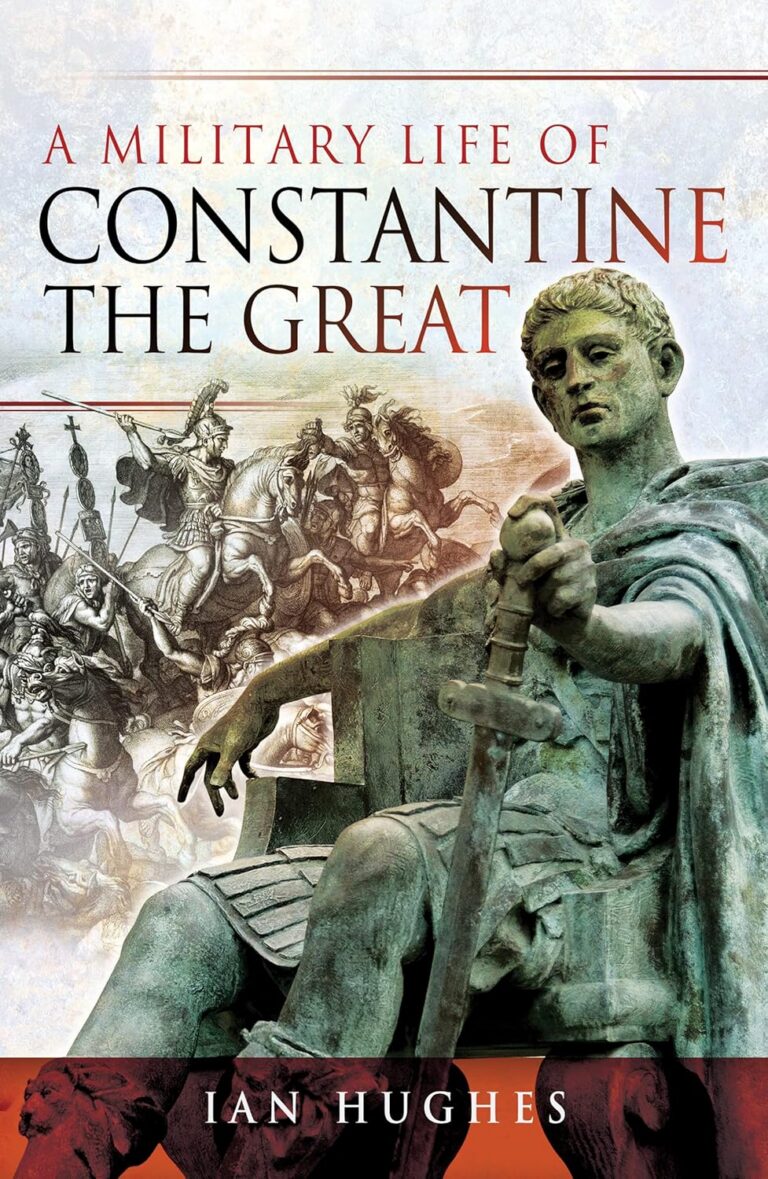
Ian Hughes’s A Military Life of Constantine the Great reconstructs the civil wars that carried Constantine through Italy to victory over Maxentius at the Milvian Bridge. Simon Turney’s Gods of Rome approaches the same campaign through fiction, showing Constantine’s advance while Maxentius tries to hold a restless capital and exploit Rome’s walls, resources and political symbolism; Masters of Rome continues the struggle between rival tetrarchic rulers. Gordon Doherty’s Sons of Rome places Maxentius within the violent succession politics from which Constantine’s supremacy emerges. Ian Ross’s Battle for Rome then centres the 312 invasion itself, following the march into Italy and the battle that ends Maxentius’s rule and opens Rome to Constantine.