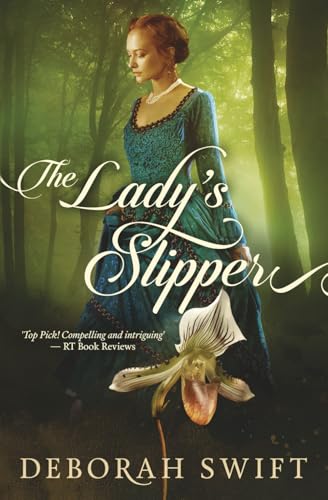
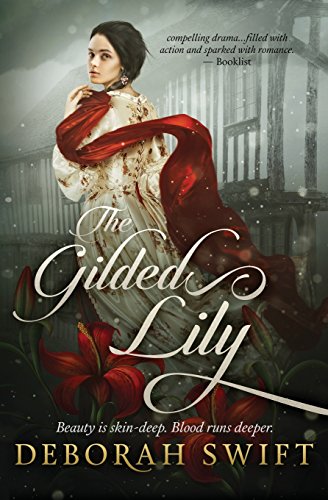
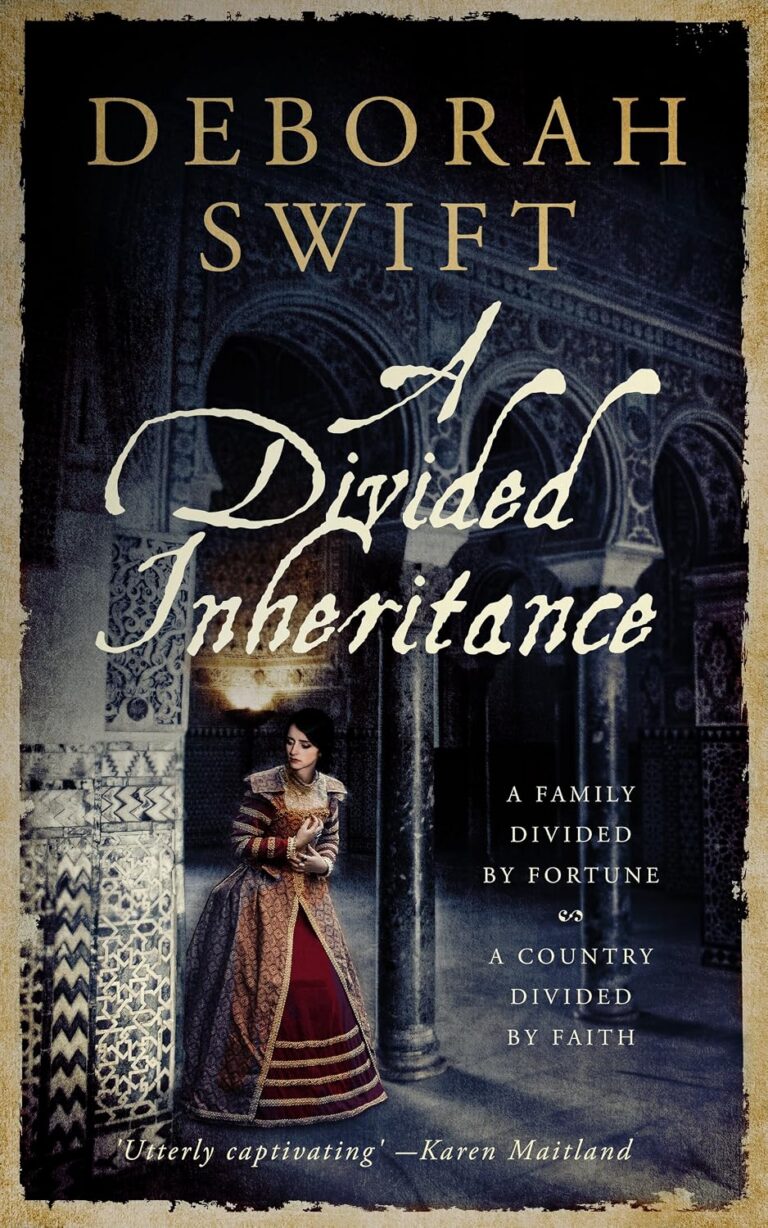
Deborah Swift is a British historical novelist whose fiction ranges from seventeenth-century England and Renaissance Italy to the Second World War. Before becoming a novelist she worked as a set and costume designer for theatre and television, including BBC productions, and later completed an MA in Creative Writing at Lancaster University. She now combines writing with teaching and lives near the Lake District, where local historic houses and landscapes have influenced some of her settings. Her early novels include The Lady’s Slipper, set in Restoration-era Westmorland amid Quaker persecution and disputes over a rare orchid; The Gilded Lily, which follows two sisters into the dangerous world of Restoration London; and A Divided Inheritance, beginning in Jacobean London before moving to Spain and exploring religion, inheritance and swordsmanship.
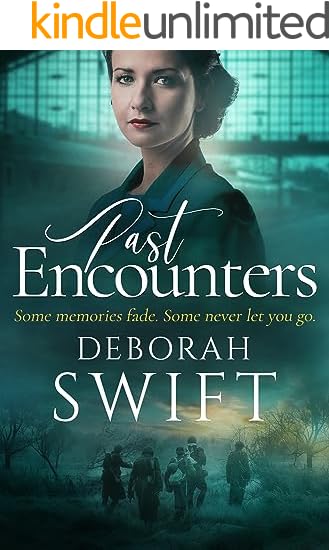
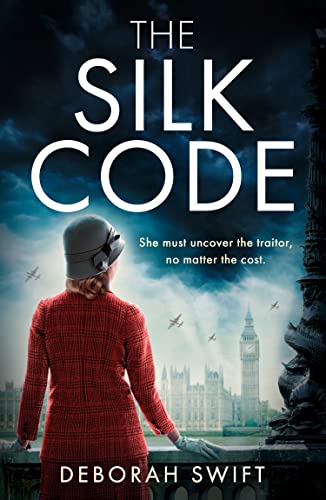
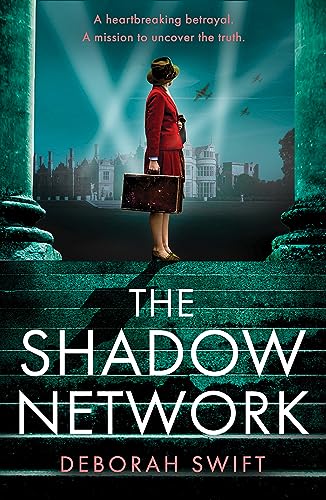
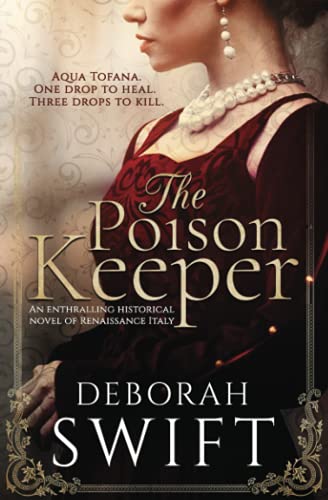
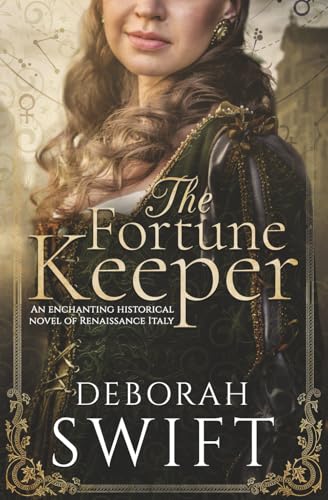
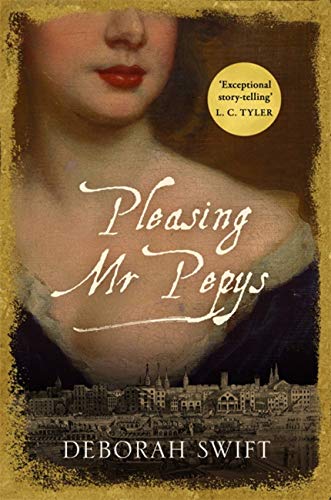
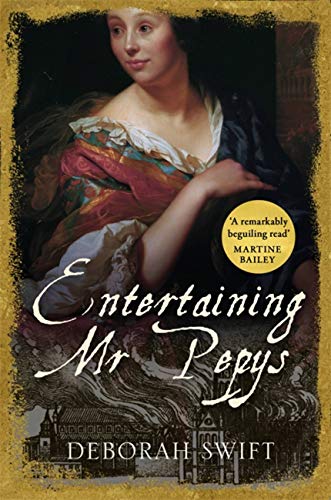
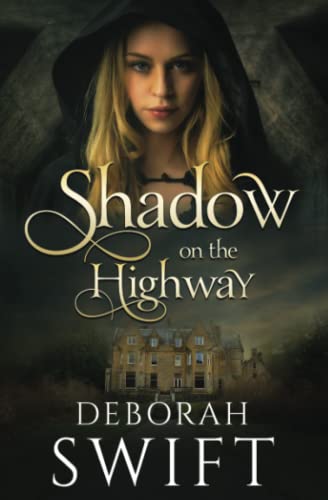
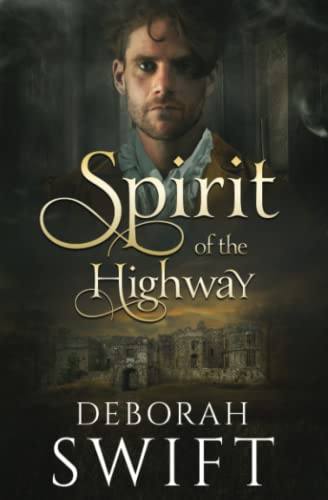
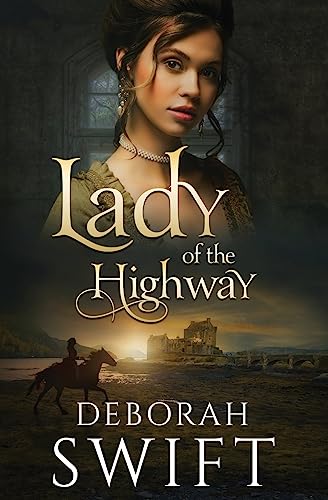
Swift has subsequently written several distinct strands of historical fiction. Her Highway Trilogy is a young-adult series set during the English Civil Wars, while her Women of Pepys’ Diary novels, including Pleasing Mr Pepys, reconstruct the lives of women recorded by Samuel Pepys and offer an alternative perspective on Restoration London. Her Giulia Tofana series begins with The Poison Keeper and follows the legendary Italian poisoner through seventeenth-century Naples, Rome and Venice, with The Fortune Keeper continuing the story through Tofana’s daughter. Swift has also written extensively about the Second World War in novels including Past Encounters, The Occupation, The Lifeline, The Silk Code and The Shadow Network. Her latest novel, The Enemy’s Wife, is set in Japanese-occupied Shanghai in 1941. Across these books she frequently concentrates on women whose lives are only partially preserved in the historical record, using documented events as the framework for stories about survival, divided loyalties and individuals navigating periods of political and social upheaval.






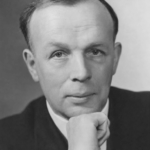 Geoffrey Trease
44 books
Geoffrey Trease
44 books
 Gilbert Morris
104 books
Gilbert Morris
104 books
 Hilary Green
19 books
Hilary Green
19 books
 Neal Stephenson
11 books
Neal Stephenson
11 books