Christopher Columbus was a Genoese navigator who secured the sponsorship of Isabella I of Castile and Ferdinand II of Aragon for a westward Atlantic voyage intended to reach Asian markets. His 1492 expedition reached islands in the Caribbean and was followed by three further voyages under the Spanish crown.
Columbus’s voyages opened sustained European colonisation of the Caribbean, bringing conquest, forced labour and catastrophic consequences for Indigenous populations. They also intensified competition among European maritime powers and generated new geographical knowledge. Columbus’s voyages transformed European knowledge of the Atlantic and began a sustained process of Spanish colonisation in the Americas. Christopher Columbus was born in Republic of Genoa and died in Valladolid.
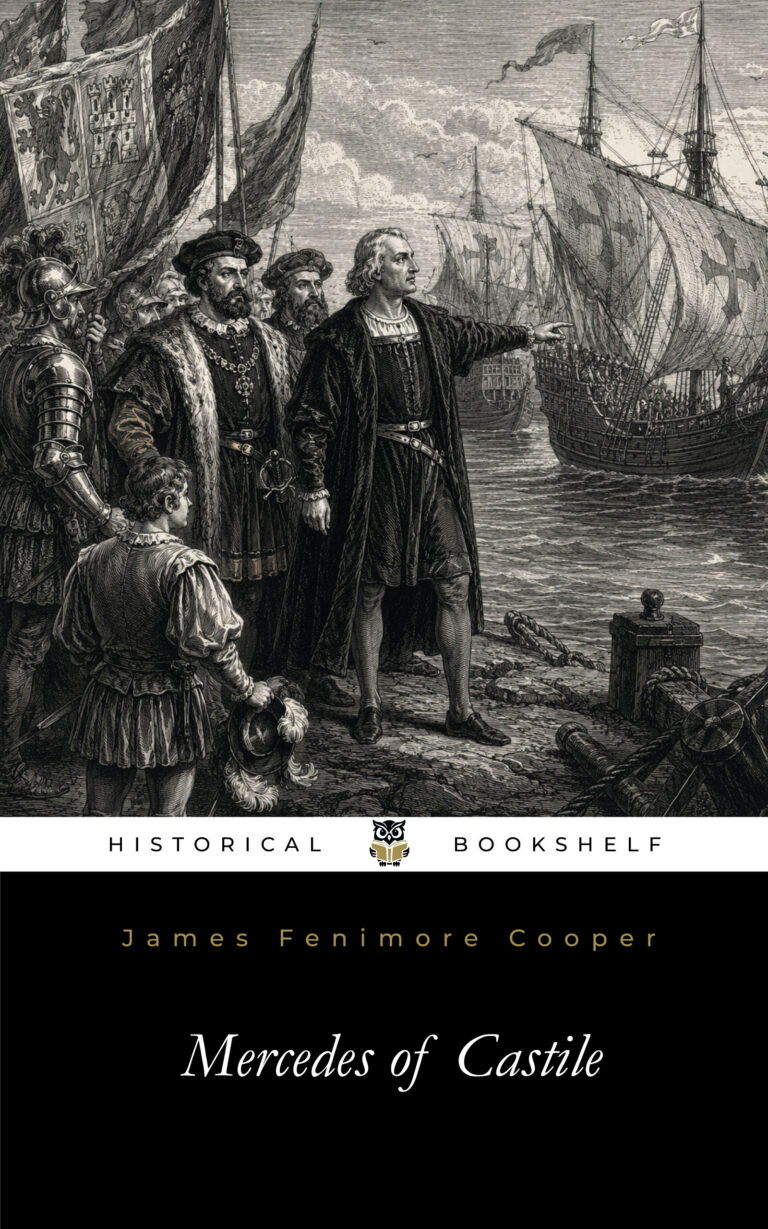
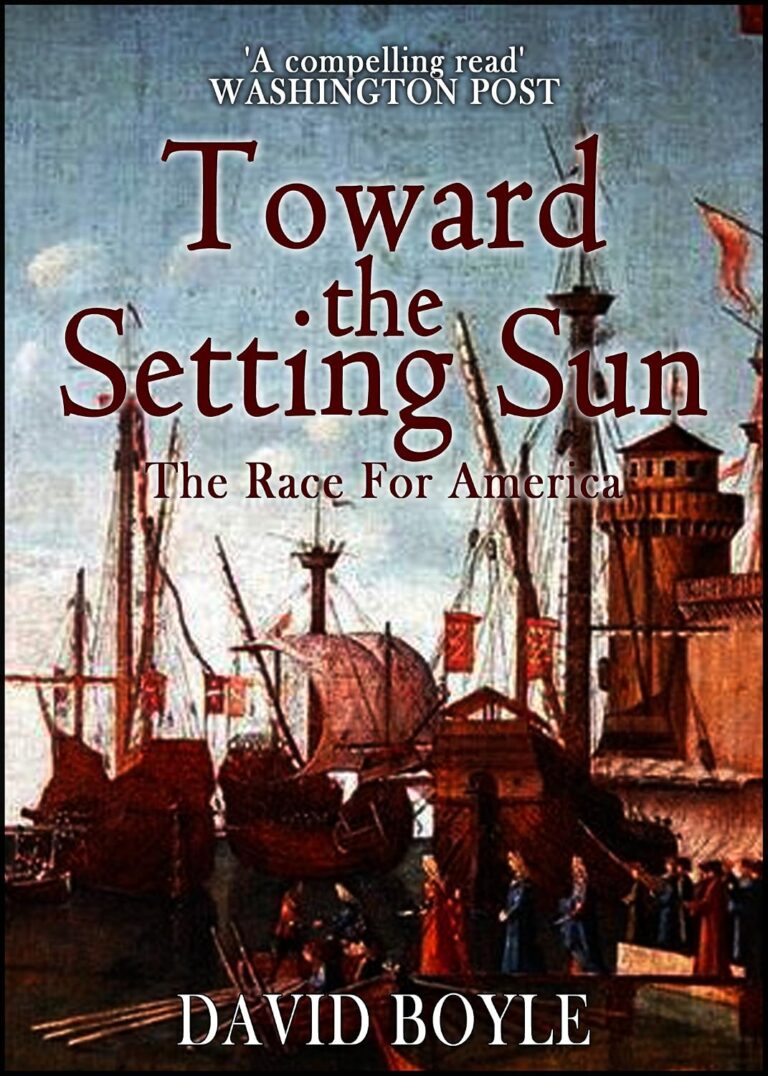
David Boyle’s Toward the Setting Sun tells the intertwined story of Christopher Columbus, John Cabot and Amerigo Vespucci during the first great burst of Atlantic exploration in the 1490s. In Robyn Young’s Court of Wolves, the Medici court offers learning, wealth and possible answers, but Lorenzo is surrounded by enemies and by the clandestine faction known as the Court of Wolves. Harry Vaughan serves Henry on a covert mission to the Spanish court, where Isabella of Castile and Ferdinand of Aragon are completing the war against Granada while Christopher Columbus seeks support for a western voyage. In James Fenimore Cooper’s Mercedes of Castile, at the court of Ferdinand and Isabella, Christopher Columbus struggles to secure royal support for a westward voyage to Asia while fictional young courtiers are caught in the ambitions and uncertainties surrounding his project. Norah Lofts’s Crown of Aloes brings Christopher Columbus into Isabella I’s reign as the navigator seeking royal backing for an Atlantic voyage, linking his project to the wider expansion of the Spanish monarchy after Granada.