
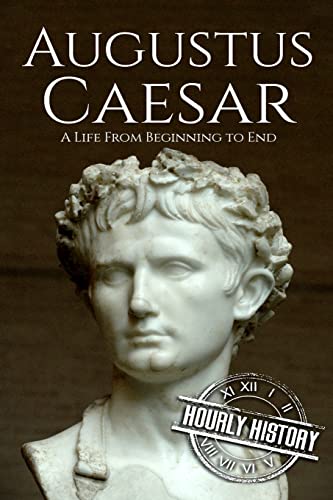
1. Augustus Caesar
Augustus Caesar follows Octavian from the assassination of Julius Caesar to his emergence as the first Roman emperor. It traces the civil wars against Caesar’s killers, Sextus Pompey and Mark Antony and Cleopatra, culminating in victory at Actium. The biography examines how Augustus preserved republican offices…
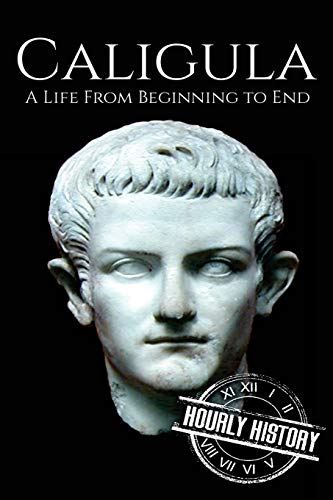
2. Caligula
Caligula examines the short reign of Gaius Caesar, whose name became a byword for imperial excess and cruelty. It follows his upbringing within the Julio-Claudian dynasty, early popularity after the death of Tiberius and the rapid deterioration of relations with the Senate and court. The biography…
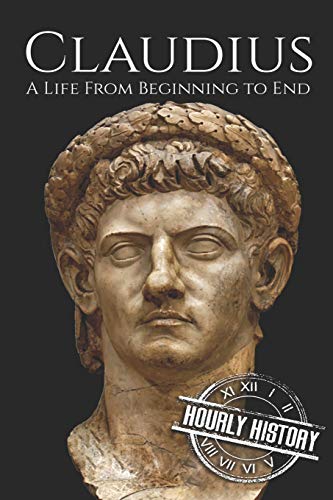
3. Claudius
Claudius follows the underestimated member of the Julio-Claudian family who became emperor after Caligula’s assassination. It examines his physical disabilities, scholarly interests and surprising elevation by the Praetorian Guard. The biography covers administrative and judicial activity, the use of freedmen and the Roman conquest of Britain.…
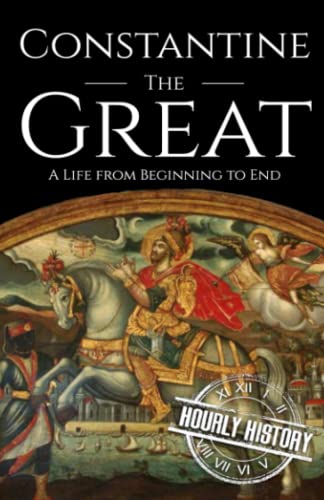
4. Constantine the Great
Constantine the Great traces the emperor who reunited the Roman world after prolonged civil war and transformed the relationship between imperial power and Christianity. It follows his rise within the tetrarchic system, victory at the Milvian Bridge and defeat of his remaining rivals. The biography examines…
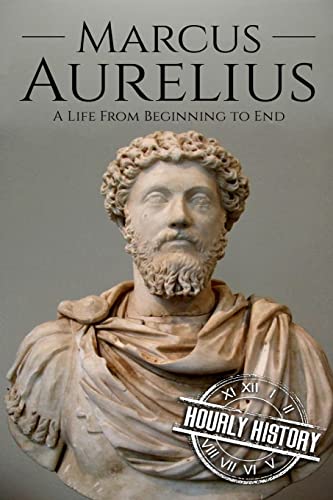
5. Marcus Aurelius
Marcus Aurelius follows the philosopher-emperor whose Meditations became one of the most widely read works of Stoic reflection. It traces his adoption into the Antonine dynasty, shared rule with Lucius Verus and attempts to govern through plague, war and political strain. The biography centres on the…
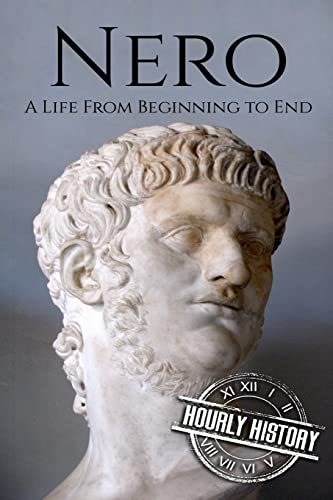
6. Nero
Nero examines the last Julio-Claudian emperor from his accession as a teenager to revolt and suicide in 68 CE. It follows the early influence of Agrippina, Seneca and Burrus and the gradual concentration of authority around the emperor and his artistic ambitions. The biography assesses the…