Chester W. Nimitz was a United States Navy admiral who became commander in chief of the U.S. Pacific Fleet shortly after the attack on Pearl Harbor. A specialist in submarines and naval administration, he directed American naval strategy through the central Pacific during the Second World War.
Nimitz oversaw operations including Midway, the Gilberts, Marshalls, Marianas, Iwo Jima and Okinawa while coordinating carrier, submarine and amphibious forces. He was promoted to fleet admiral in 1944 and signed the Japanese instrument of surrender aboard USS Missouri in September 1945.
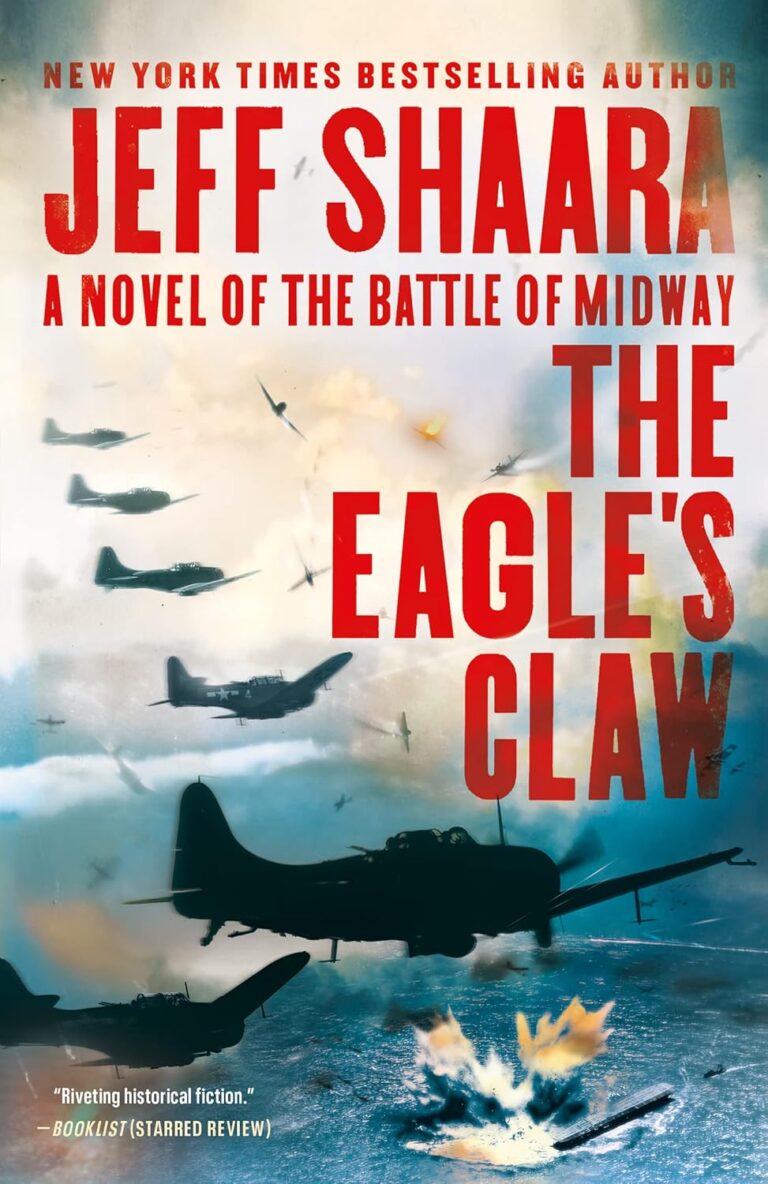
Sir Max Hastings’ Nemesis culminates in the atomic bombings and Japan’s decision to surrender, examining the strategic arguments alongside the experiences of soldiers, sailors and civilians across Asia and the Pacific. Commanders including MacArthur, Nimitz and Slim appear within a history that also asks how Japanese resistance, Allied choices and Soviet intervention shaped the war’s ending. In Jeff Shaara’s The Eagle’s Claw, Six months after Pearl Harbor, Isoroku Yamamoto plans an operation intended to seize Midway and destroy the American aircraft carriers that escaped the December attack. Admiral Chūichi Nagumo leads the Japanese carrier force, while Chester Nimitz commits his limited ships on the basis of intelligence produced by Joseph Rochefort and the codebreakers at Station HYPO. Further fictional perspectives on Chester W. Nimitz can be found in Jeff Shaara’s The Final Storm. For broader historical treatment of Chester W. Nimitz, see Saul David’s Crucible of Hell and Saul David’s Devil Dogs.