Isoroku Yamamoto was an admiral of the Imperial Japanese Navy and commander in chief of the Combined Fleet during the opening years of the Pacific War. Having studied and served in the United States, he understood American industrial strength and warned against a prolonged conflict.
Yamamoto nevertheless planned the carrier attack on Pearl Harbor and directed major Japanese naval strategy through the Battle of Midway and the Guadalcanal campaign. American intelligence intercepted his travel plans in 1943, allowing U.S. fighters to shoot down his aircraft over Bougainville.
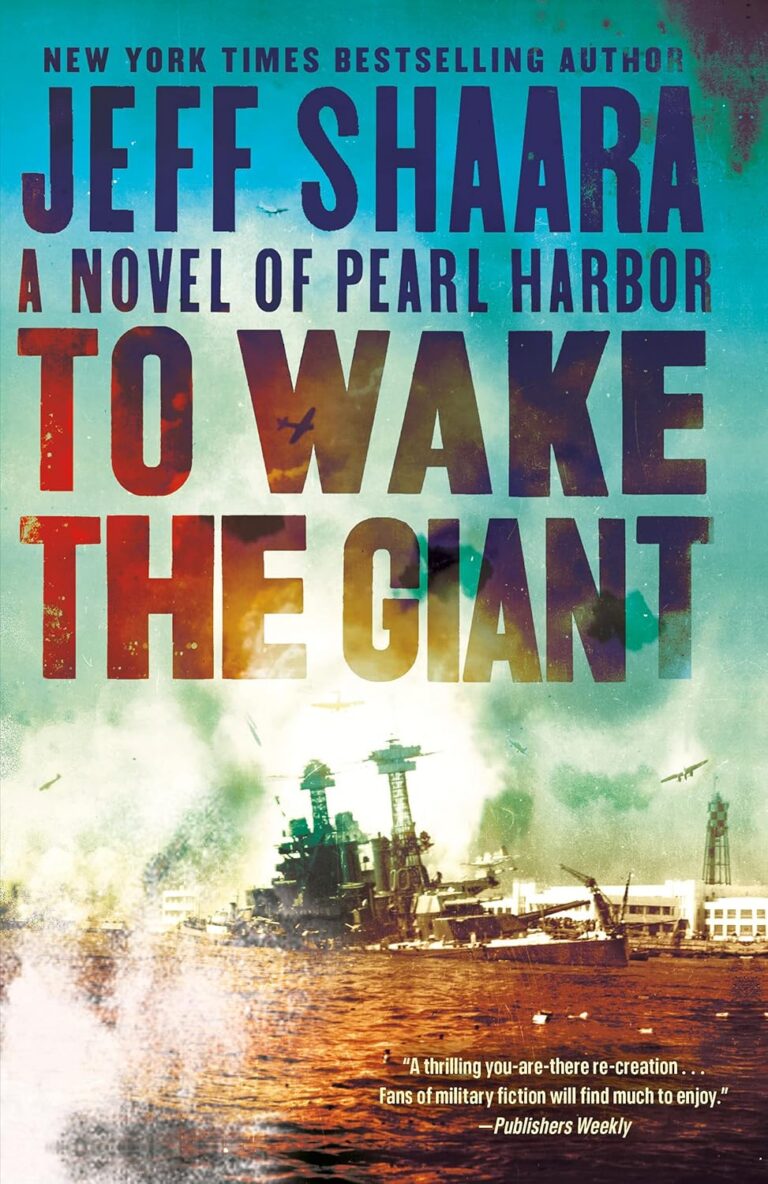
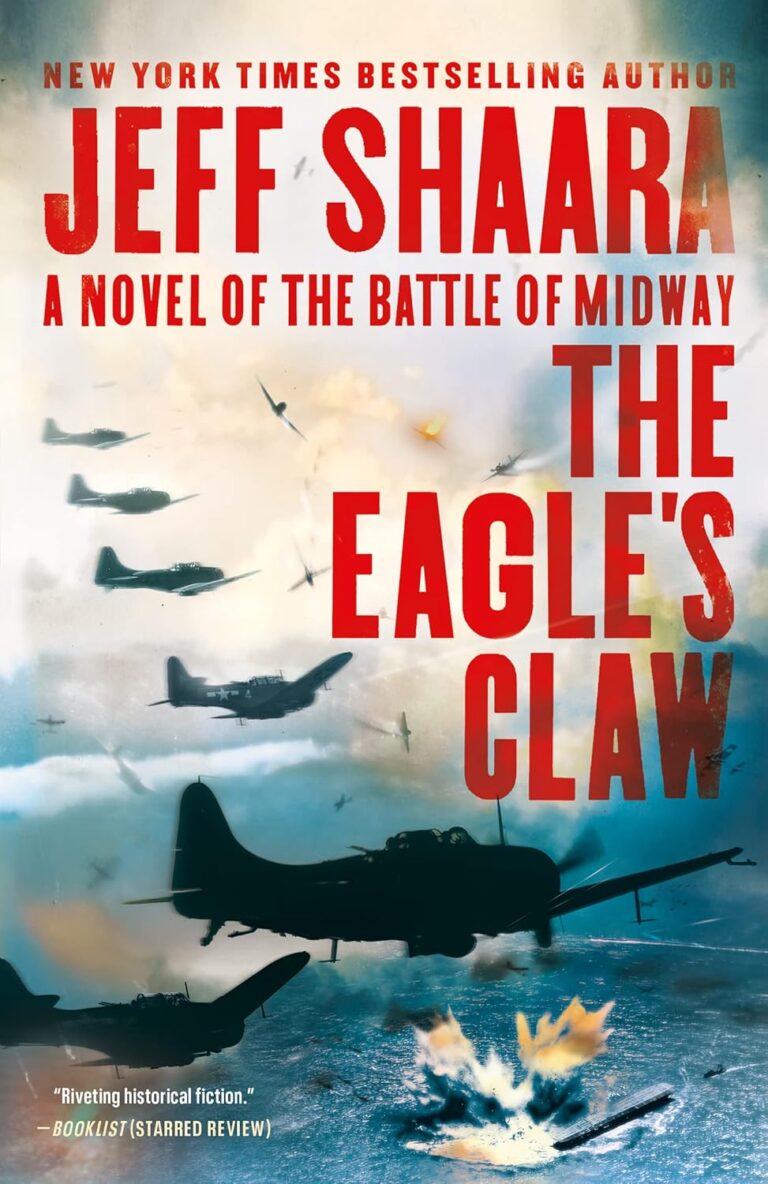
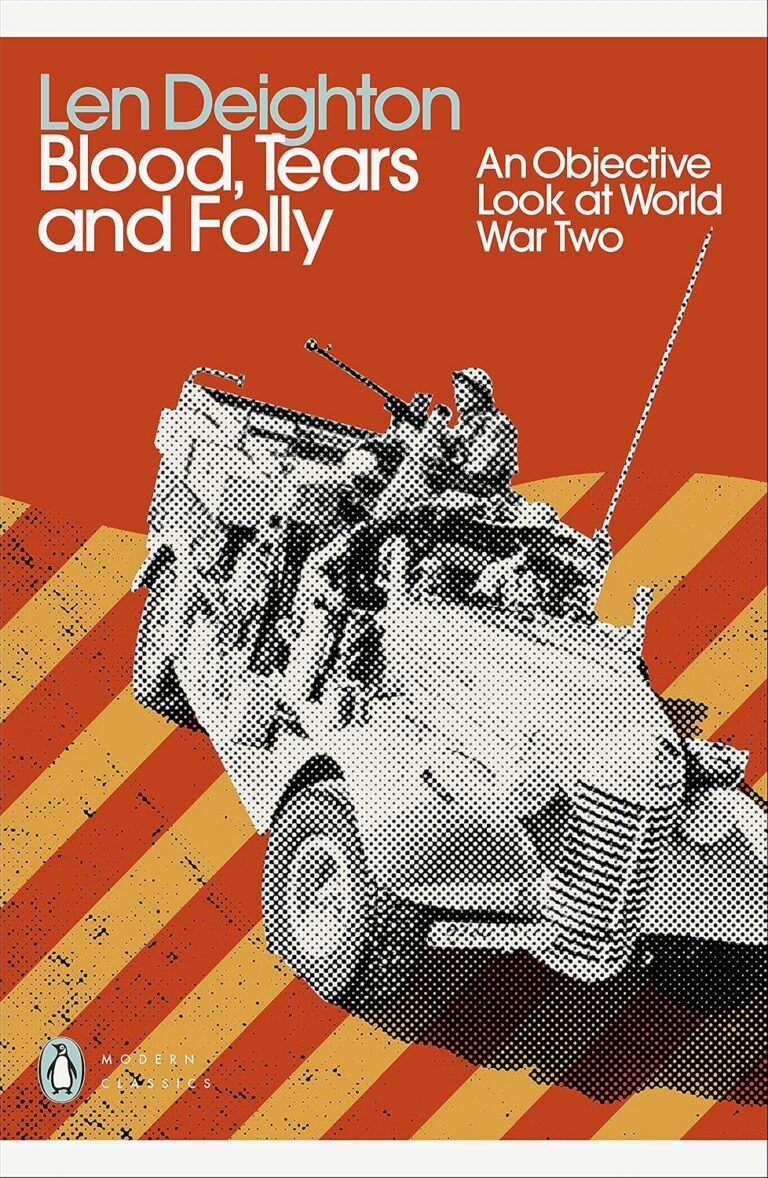
Jeff Shaara’s To Wake the Giant presents Yamamoto as the architect of the carrier strike on Pearl Harbor, even as he recognises that Japan is unlikely to win a prolonged industrial war against the United States. The Eagle’s Claw moves six months forward to his plan for Midway, where the attempt to draw out and destroy the surviving American carriers is undermined by US intelligence and the decisions of commanders at sea. Len Deighton’s Blood, Tears and Folly places those operations within a wider examination of wartime preparation, industrial capacity, intelligence and command, providing the strategic context for both the ambition and the limits of Yamamoto’s naval plans.