Penguin Classics: Ancient World in Order
Penguin Classics: Ancient World brings together foundational works of literature, history, philosophy, drama and poetry from the earliest civilisations through classical Greece and Rome. The wider Penguin Classics series began in 1946 with E. V. Rieu’s translation of Homer’s Odyssey, reflecting its original aim of making important texts…
All books in this series
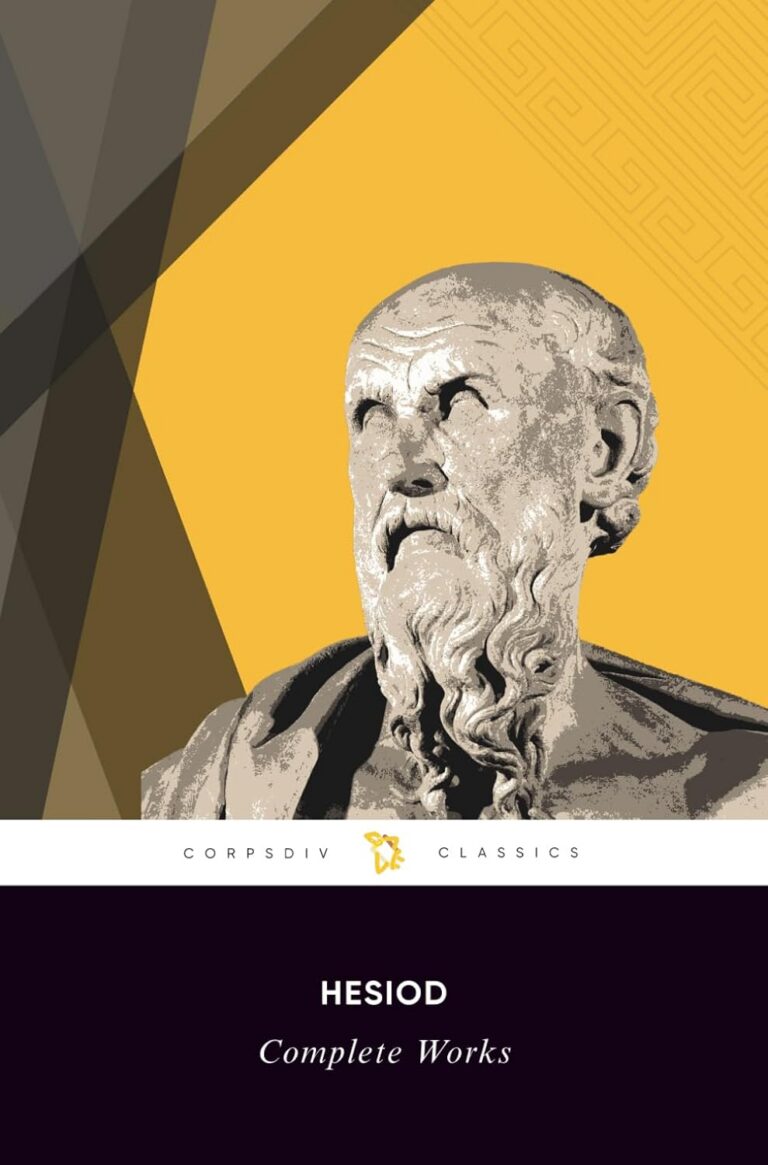
1. Complete Works of Hesiod
2. Conversations of Socrates
3. Electra and Other Plays
4. Essays
5. Fall of the Roman Republic
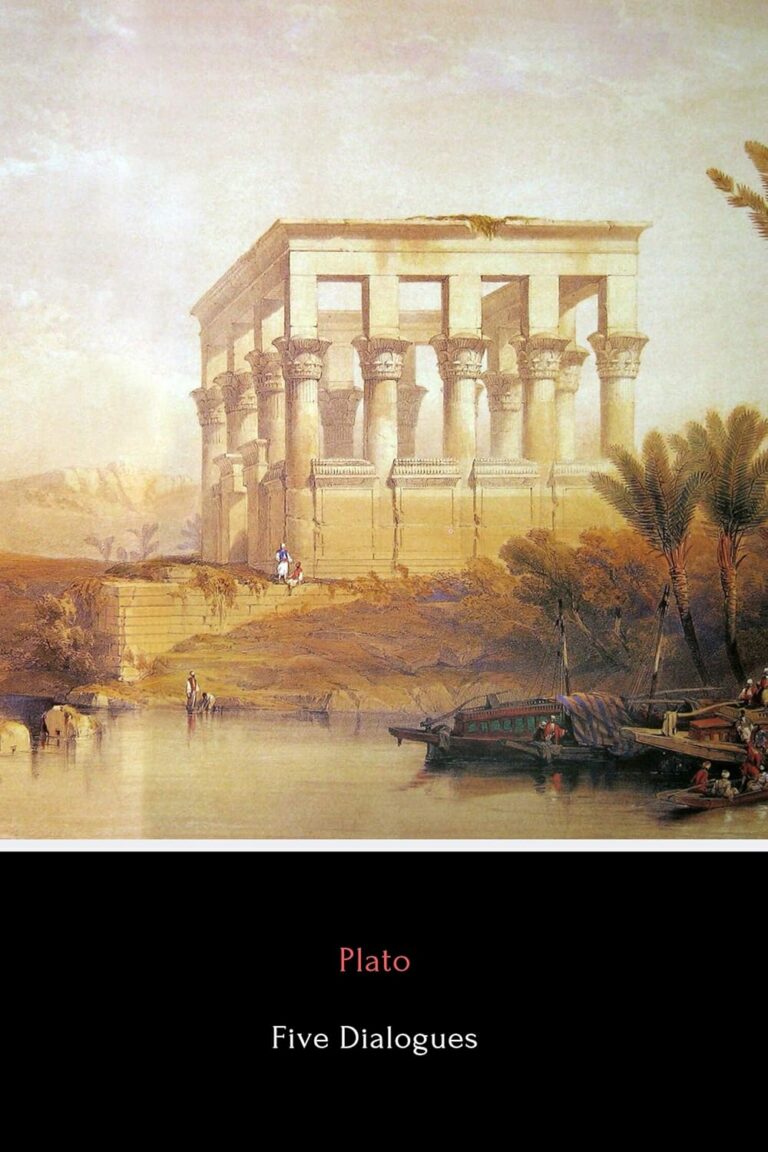
6. Five Dialogues
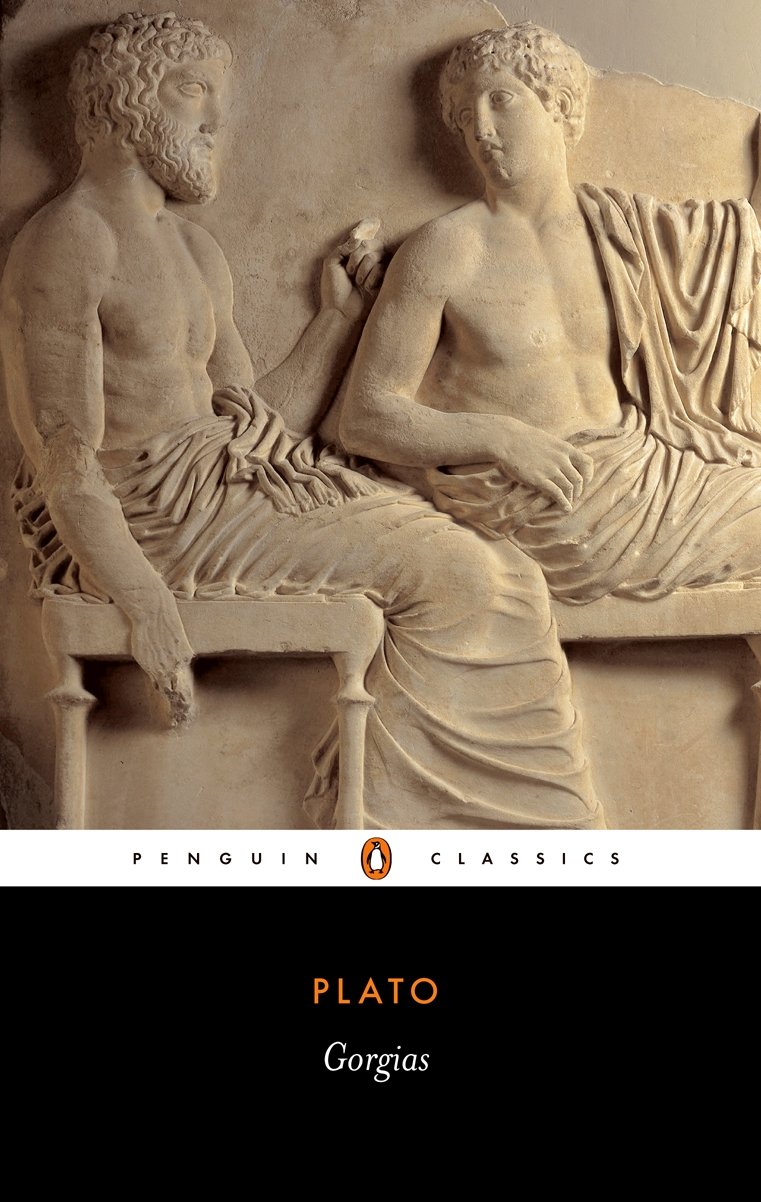
7. Gorgias
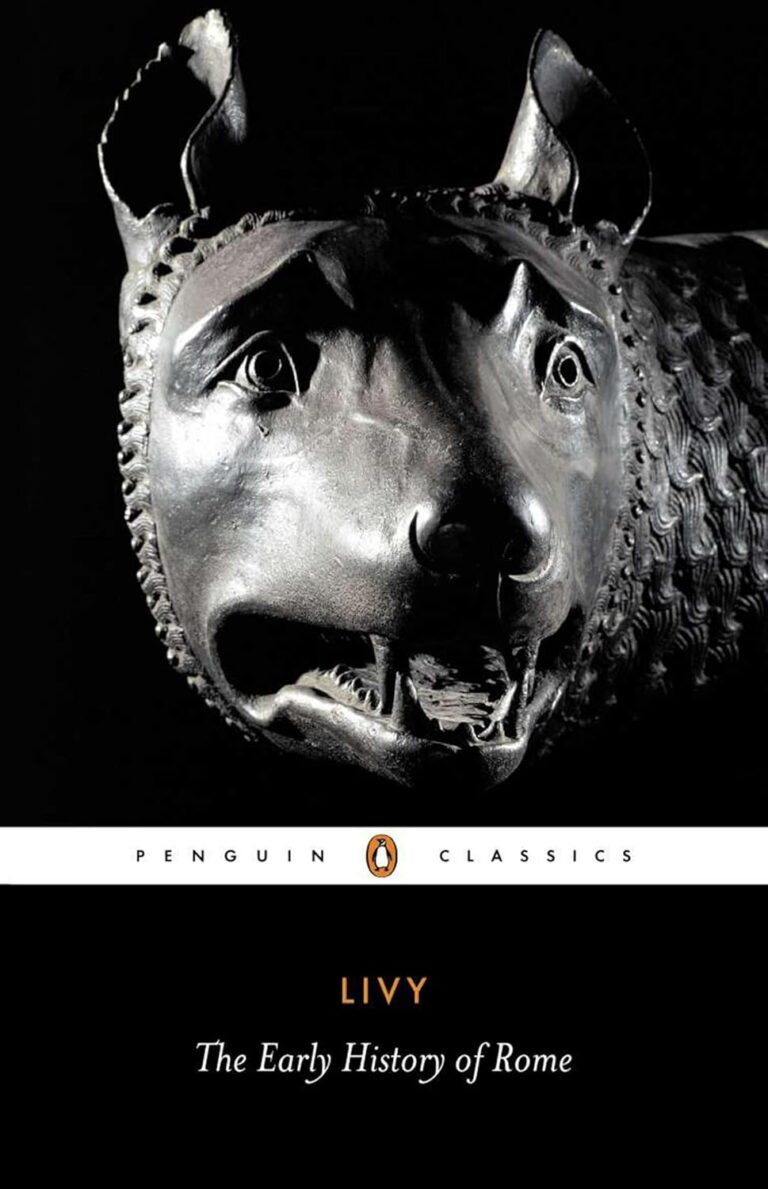
8. History of Rome
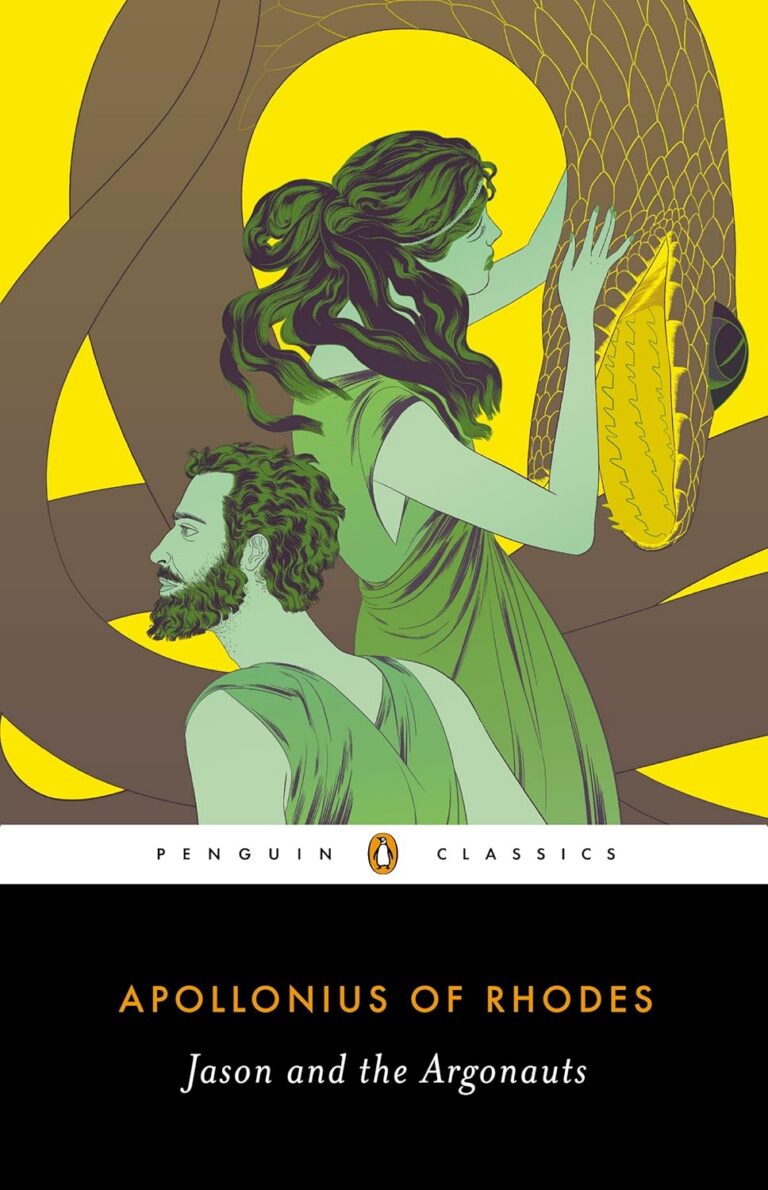
9. Jason and the Argonauts
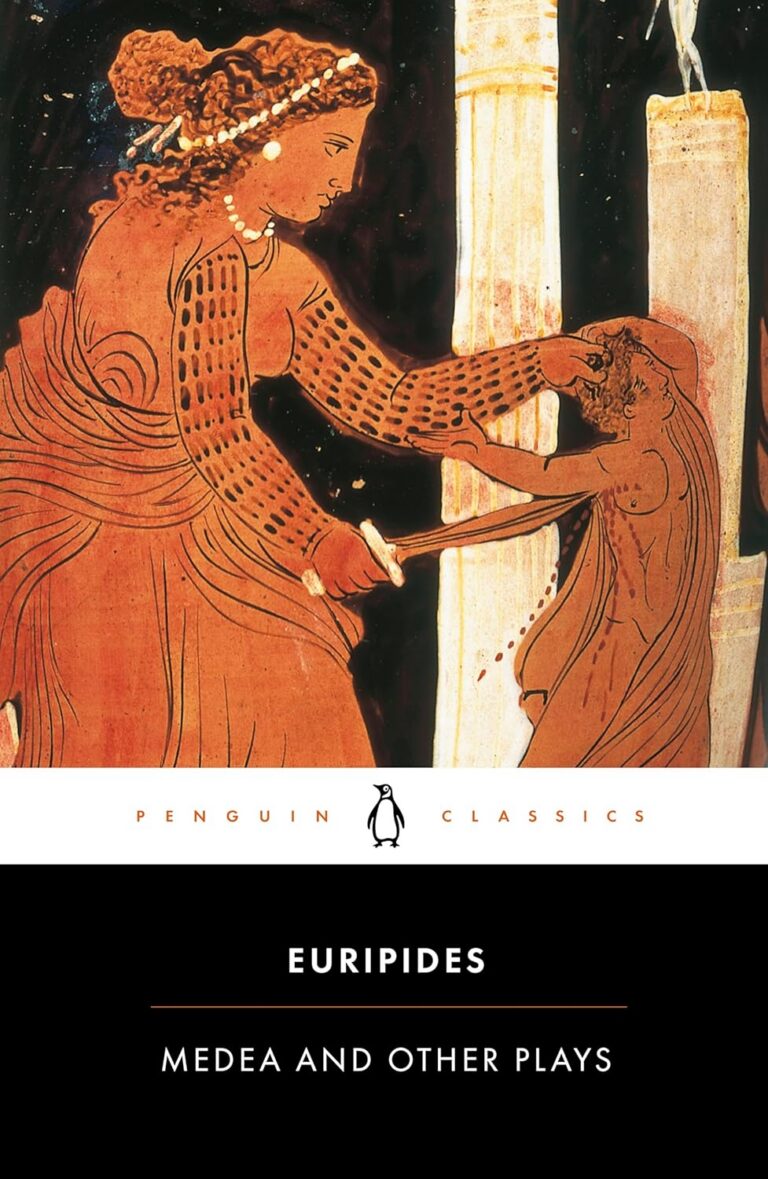
10. Medea and Other Plays
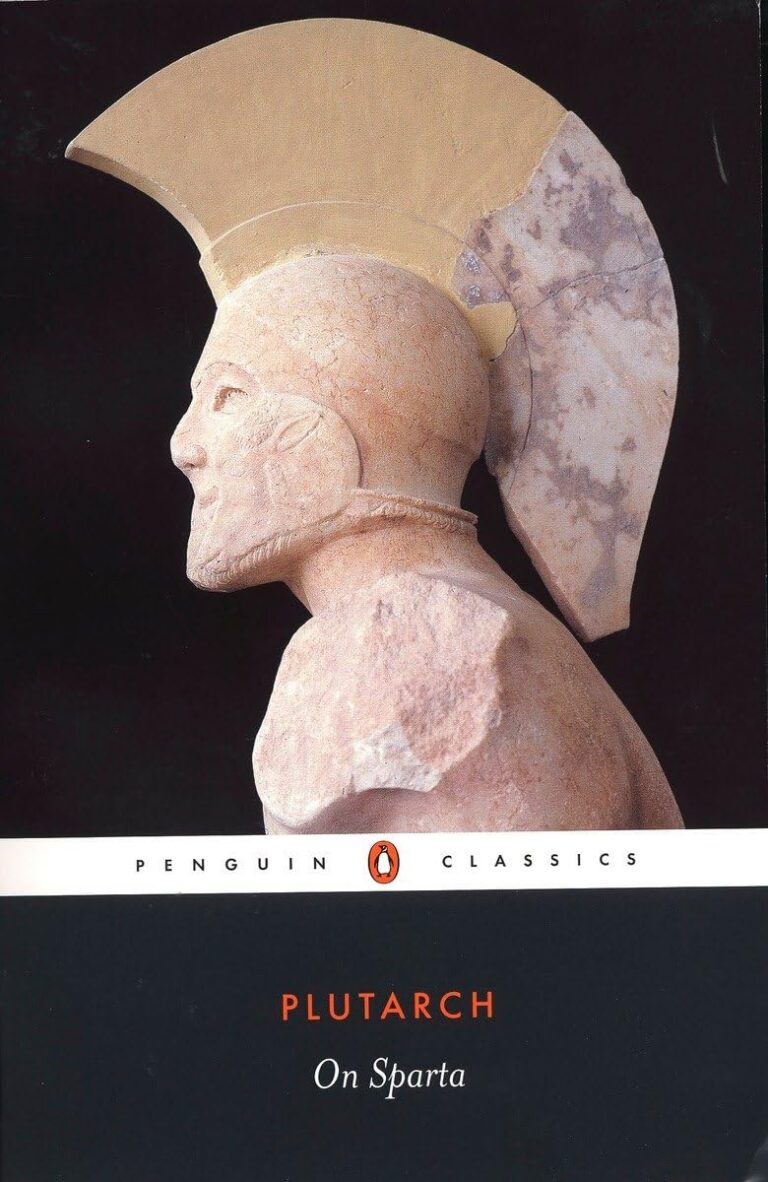
11. On Sparta
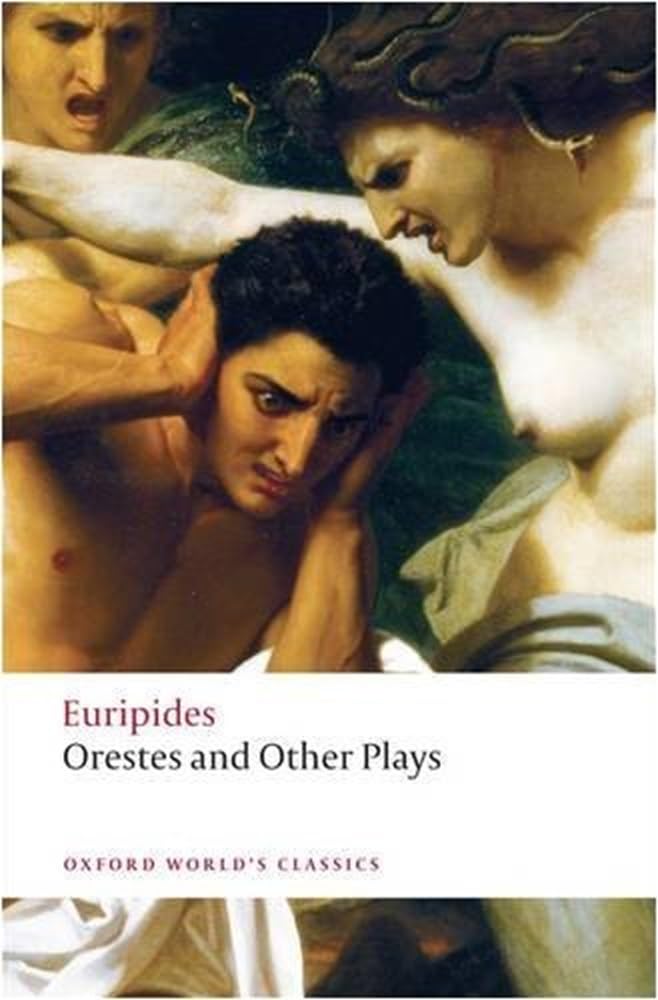
12. Orestes and Other Plays
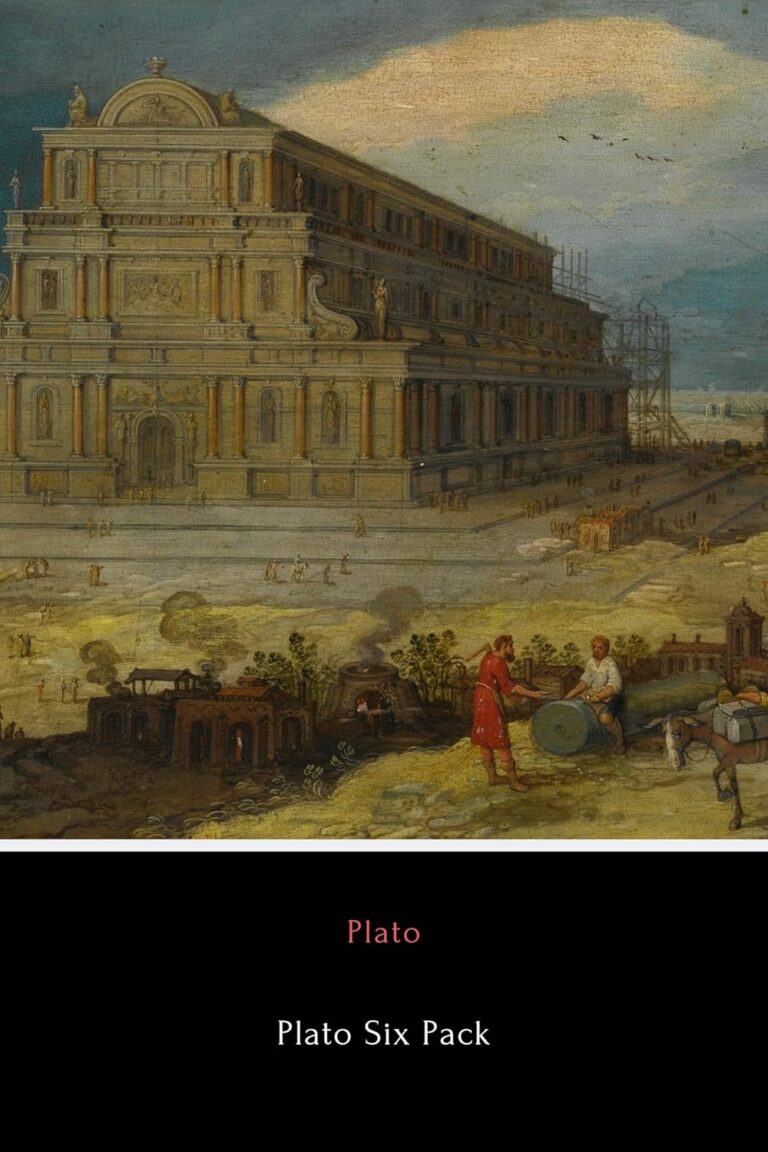
13. Plato Six Pack
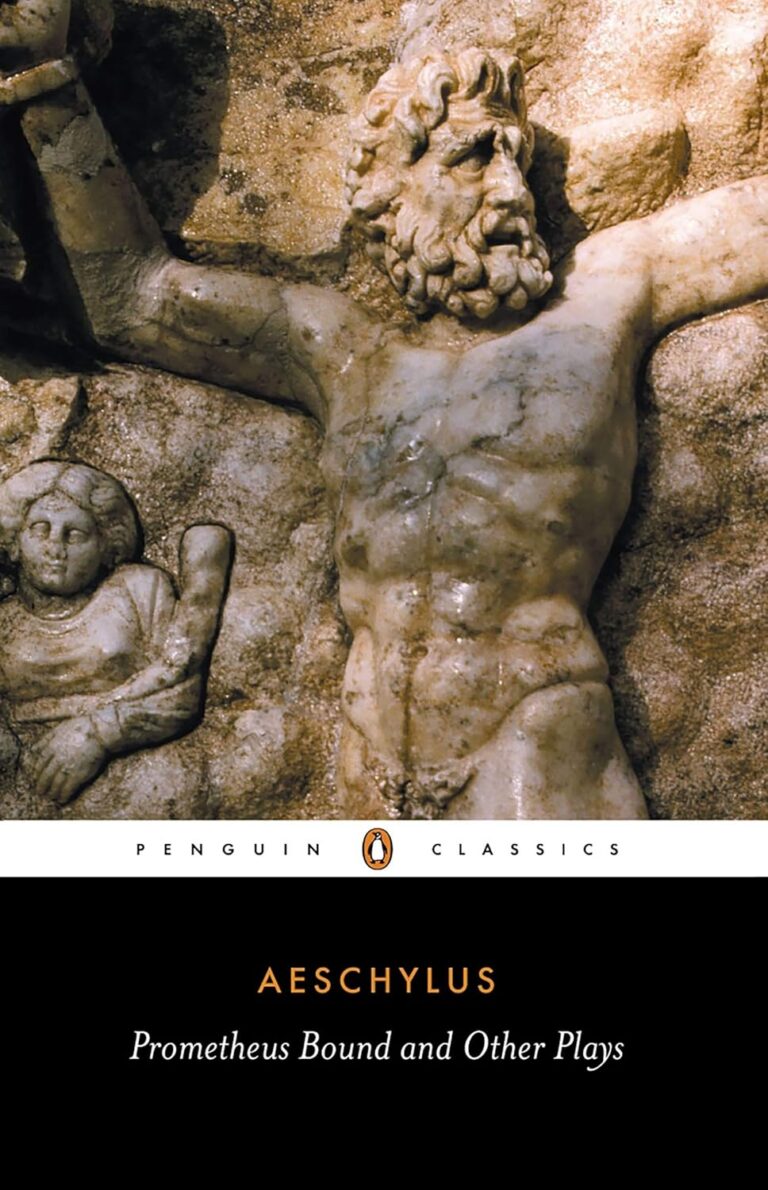
14. Prometheus Bound and Other Plays
15. Symposium
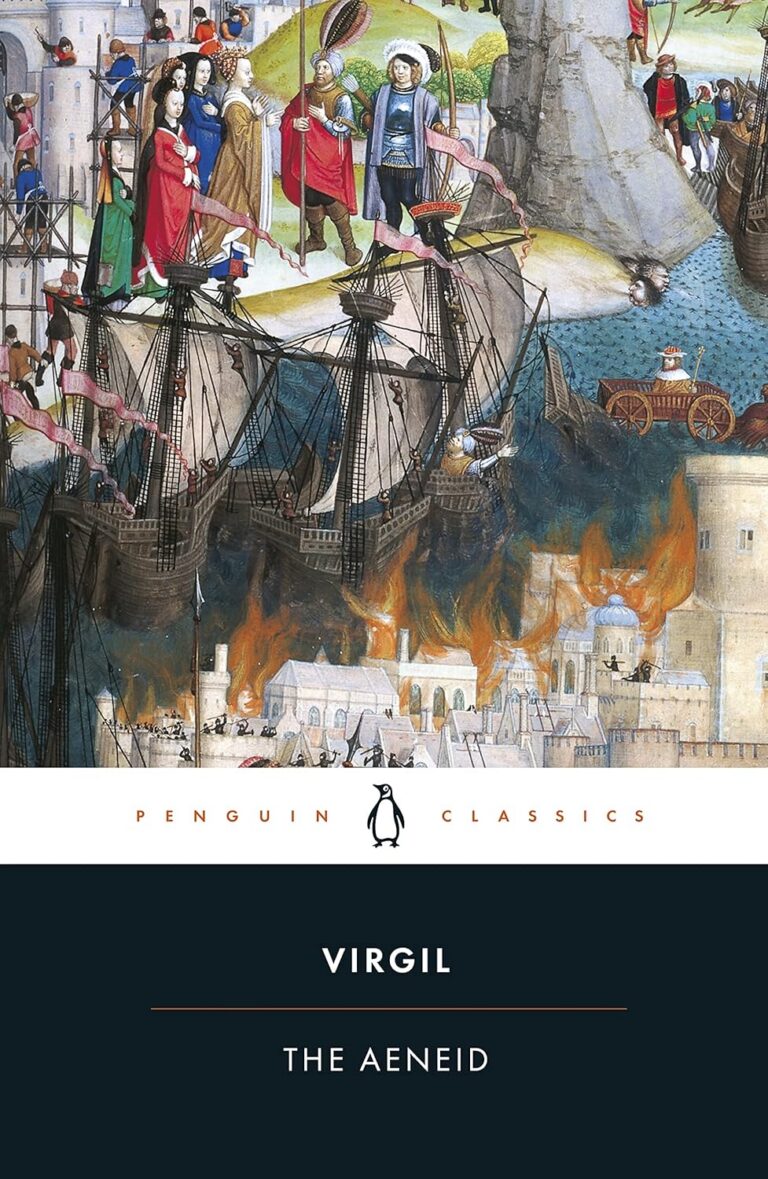
16. The Aeneid
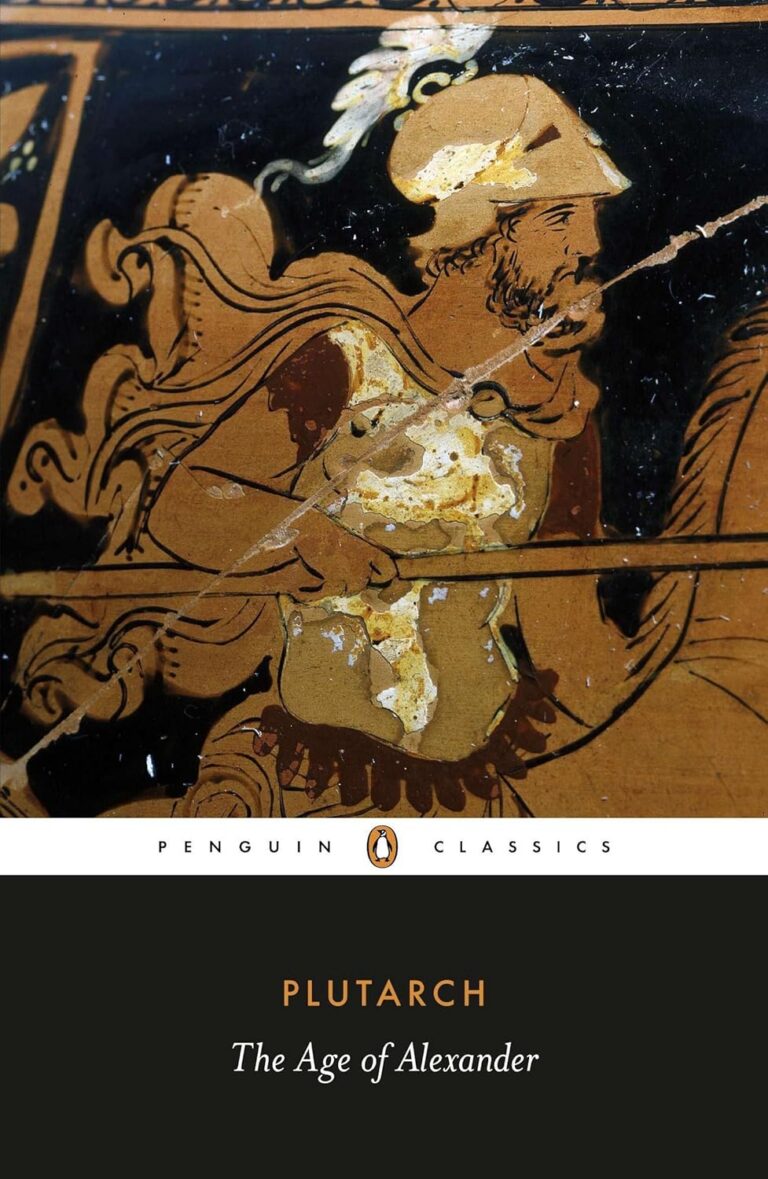
17. The Age of Alexander
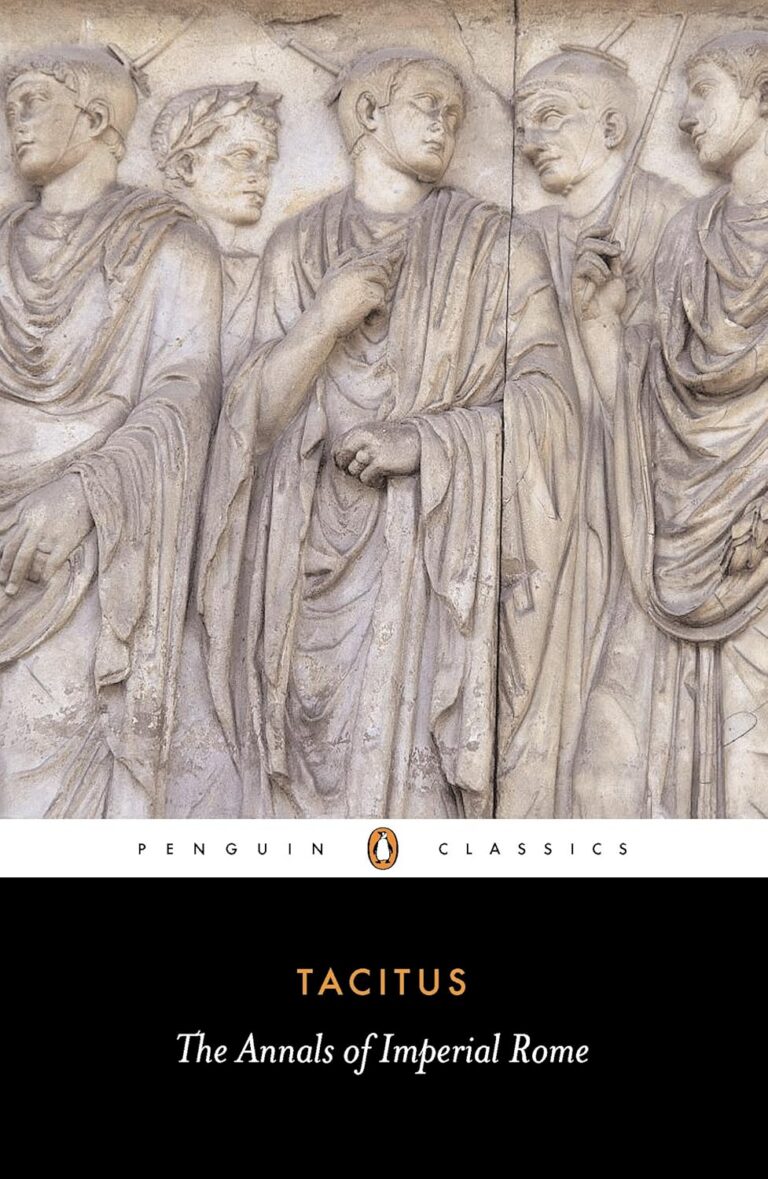
18. The Annals of Imperial Rome
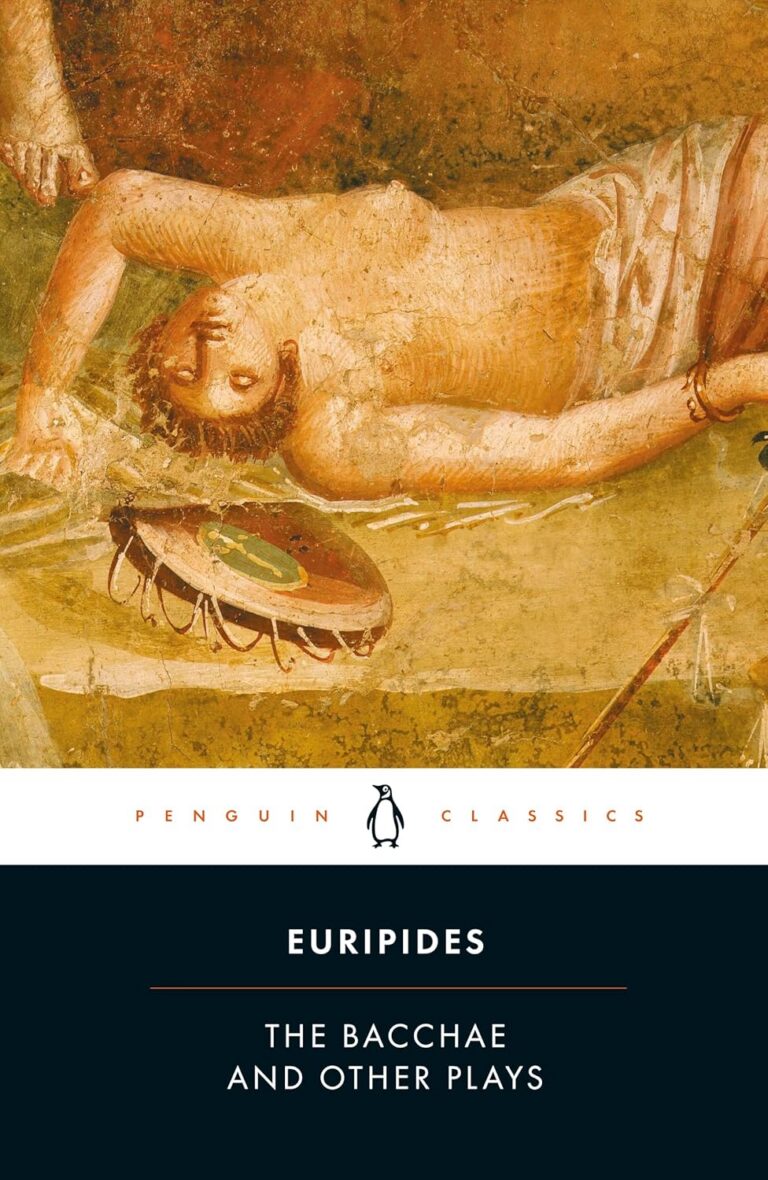
19. The Bacchae and Other Plays
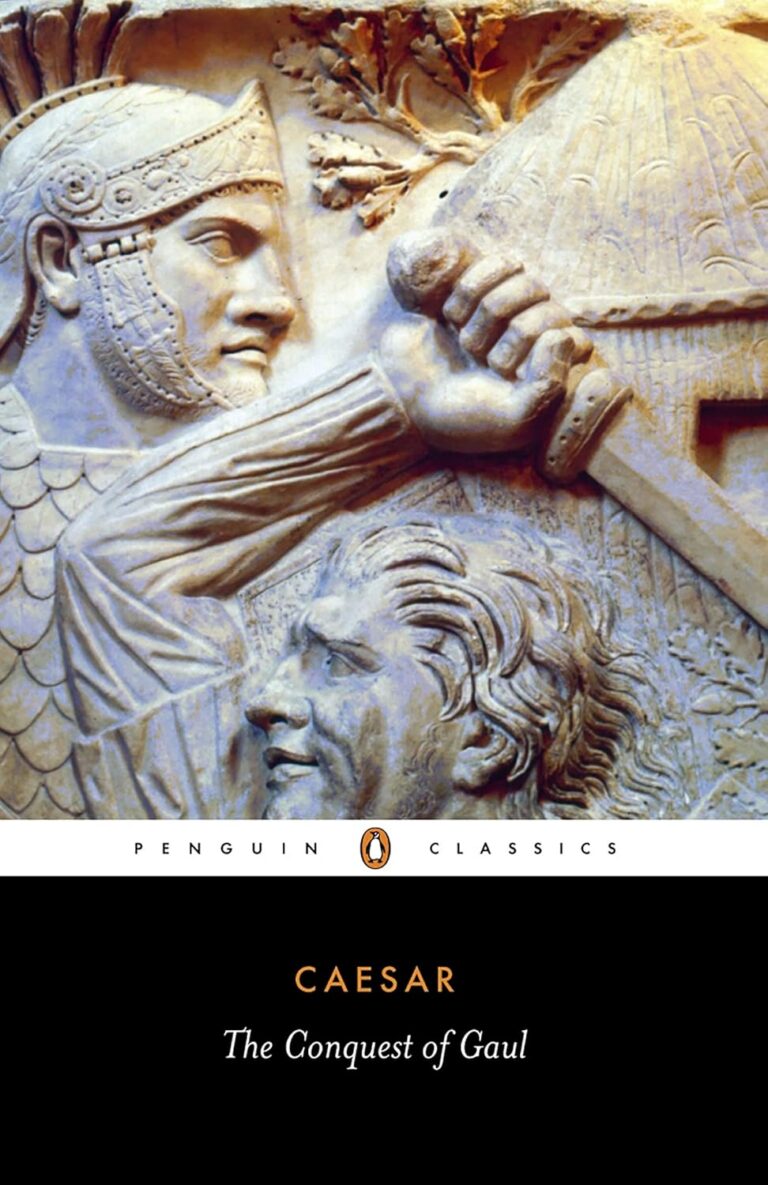
20. The Conquest of Gaul
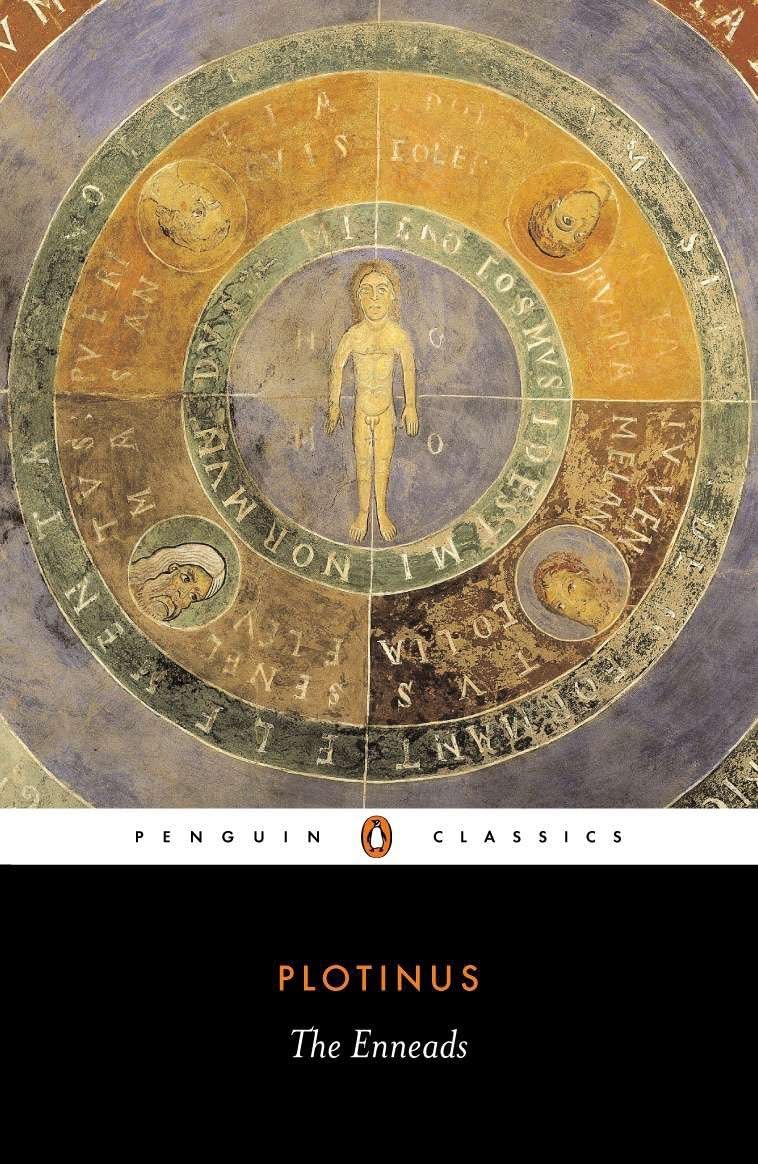
21. The Enneads
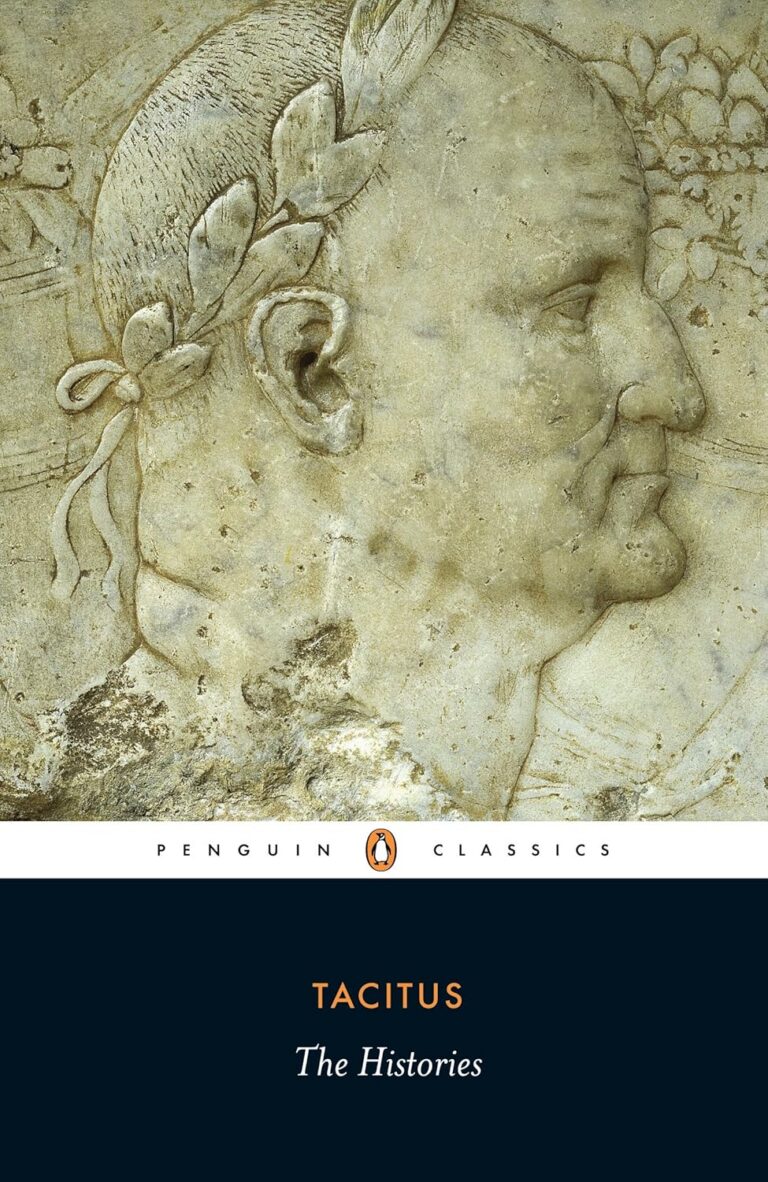
22. The Histories
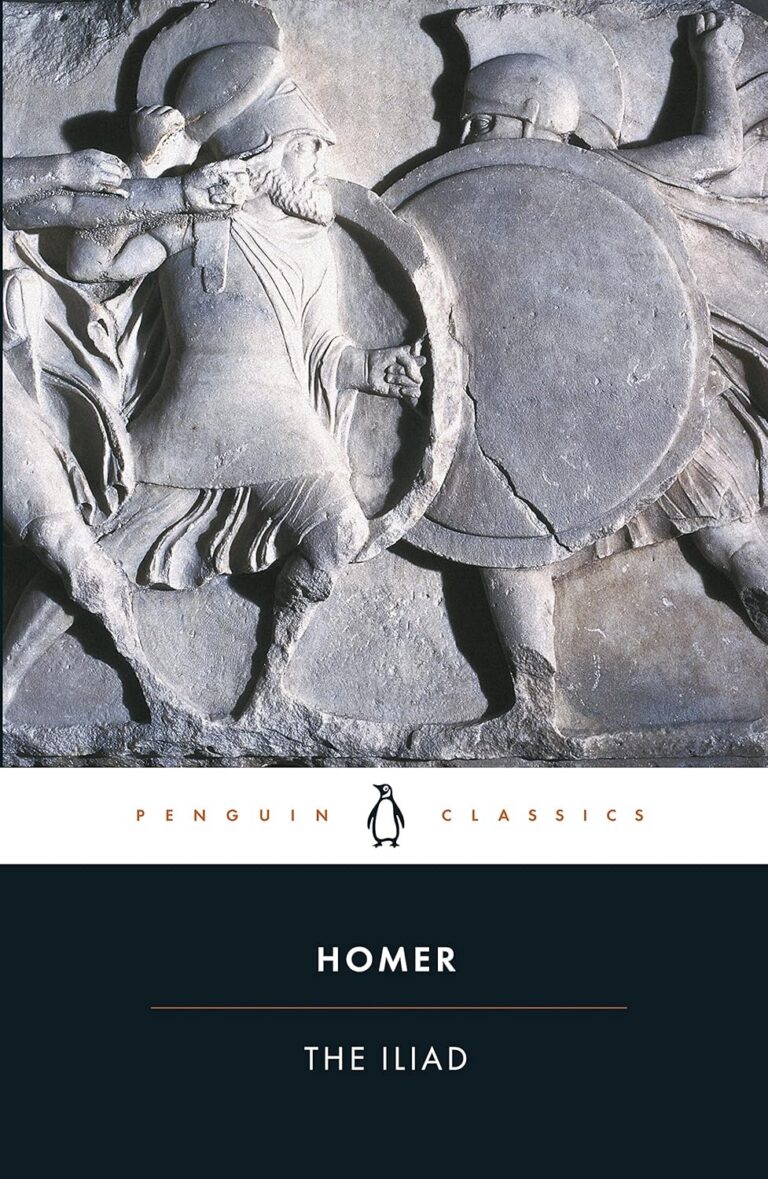
23. The Iliad
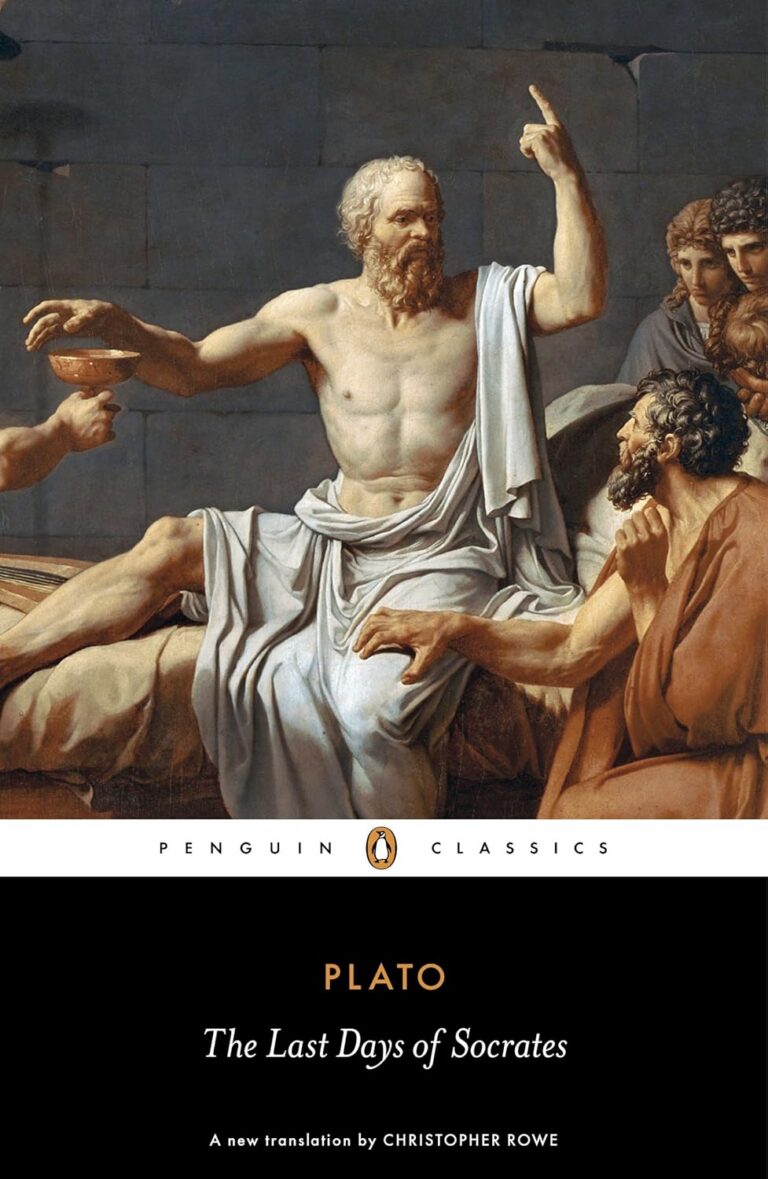
24. The Last Days of Socrates
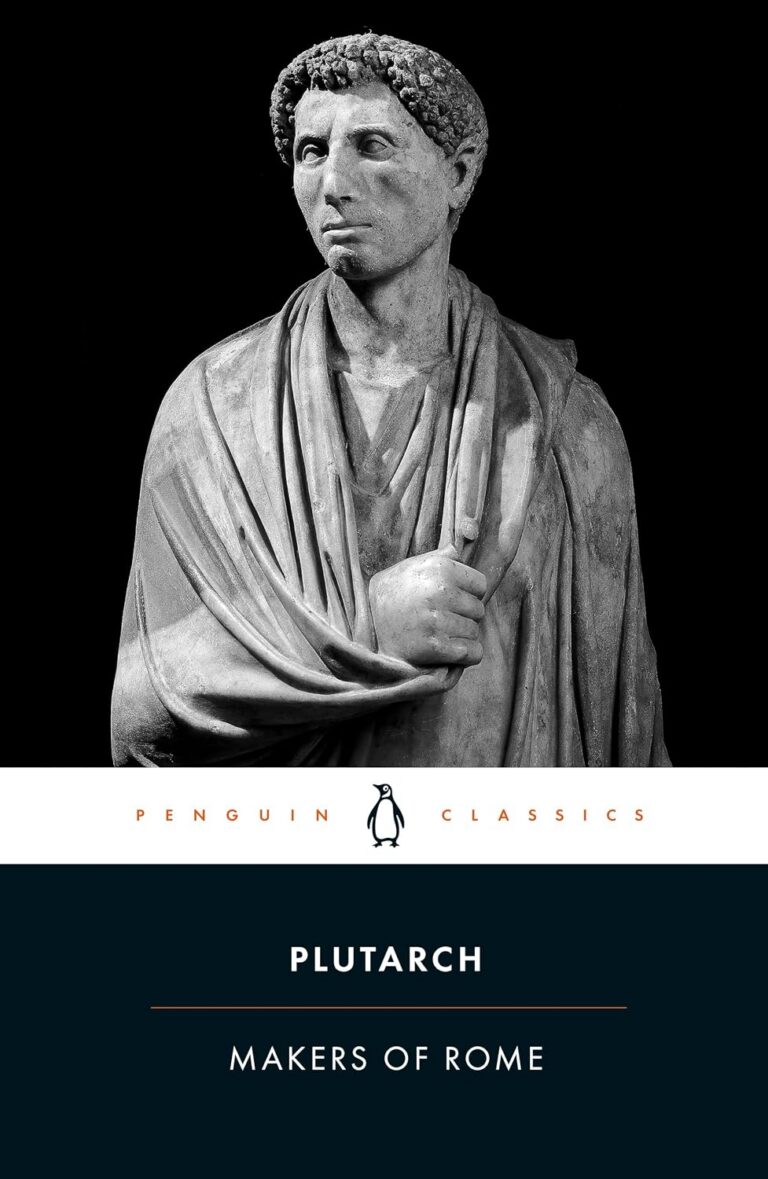
25. The Makers of Rome
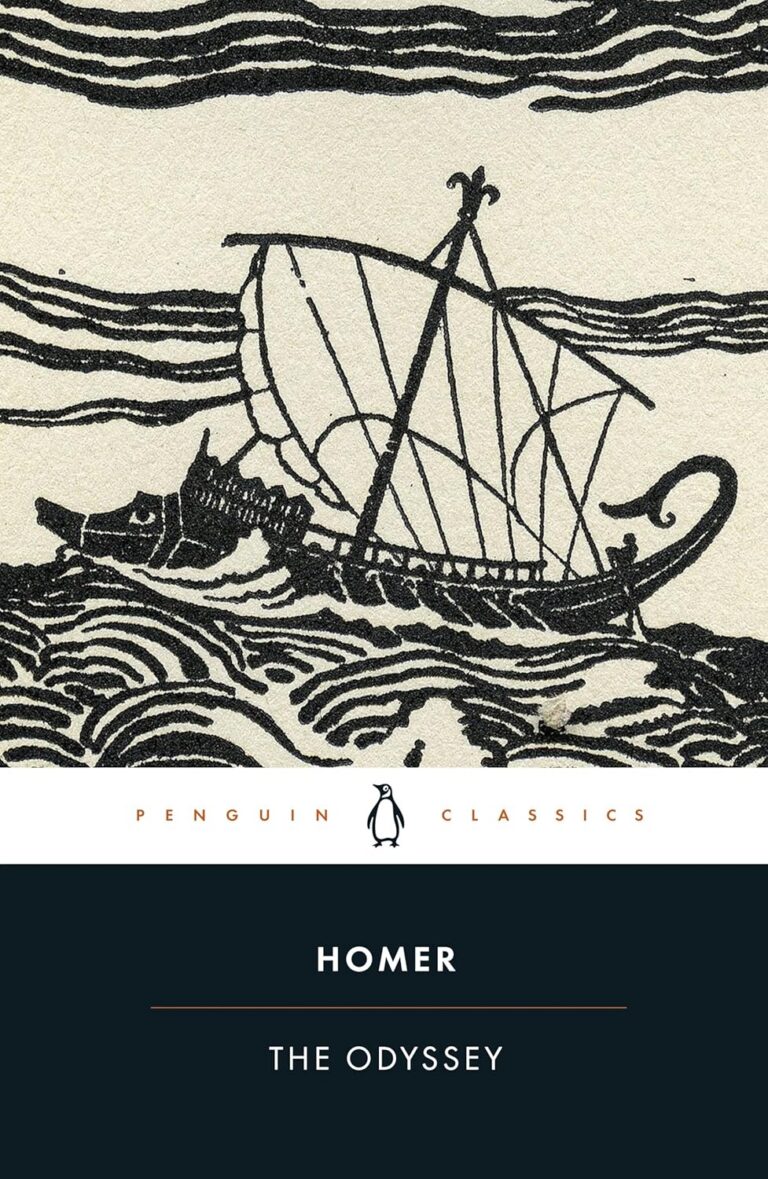
26. The Odyssey
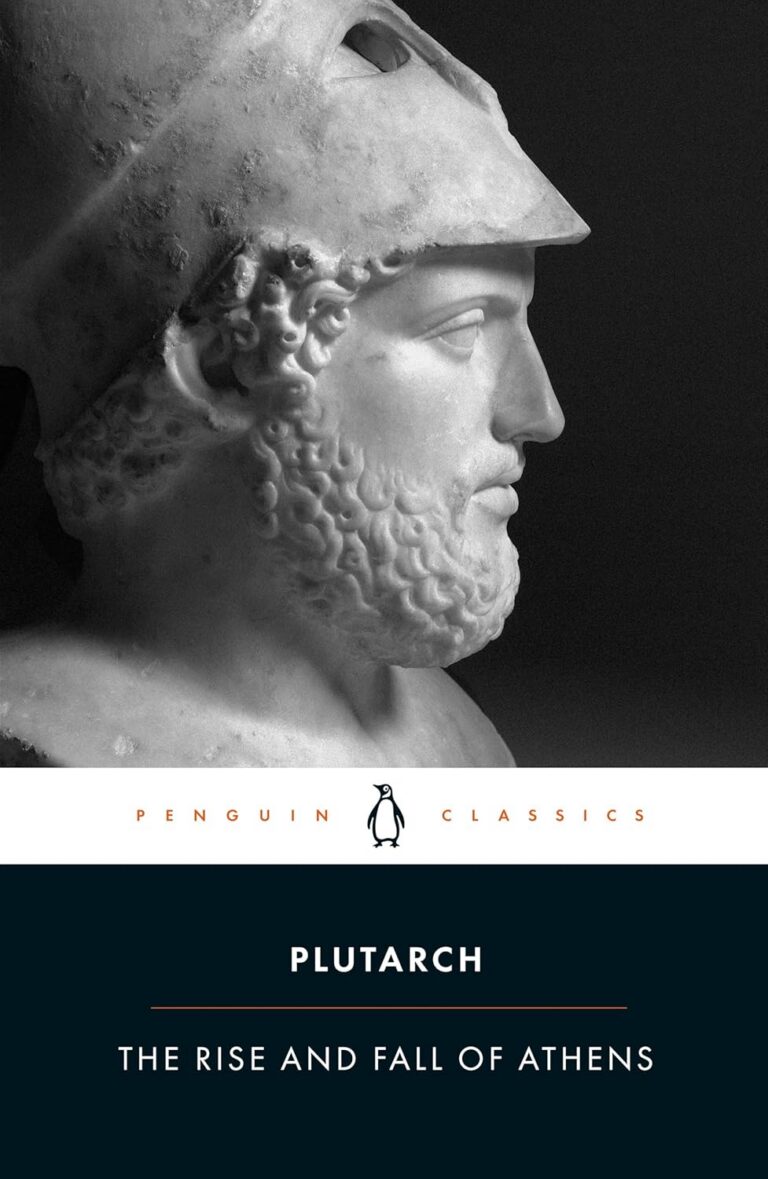
27. The Rise and Fall of Athens
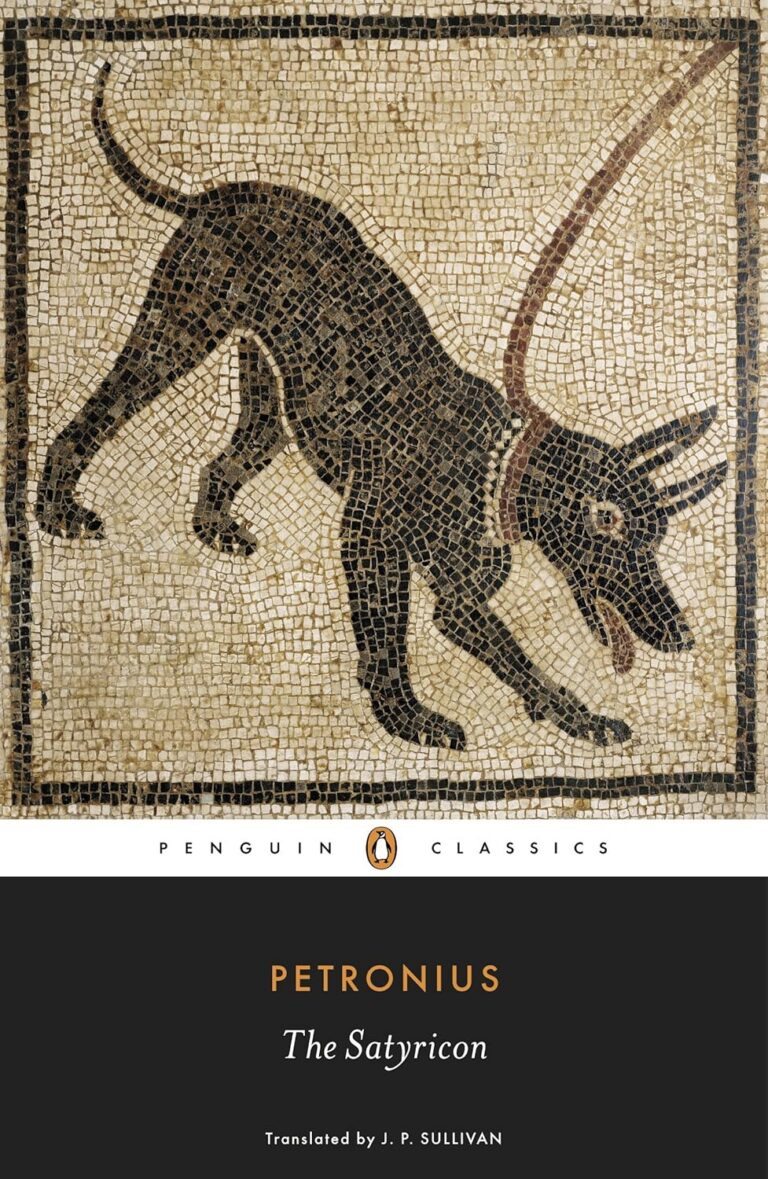
28. The Satyricon
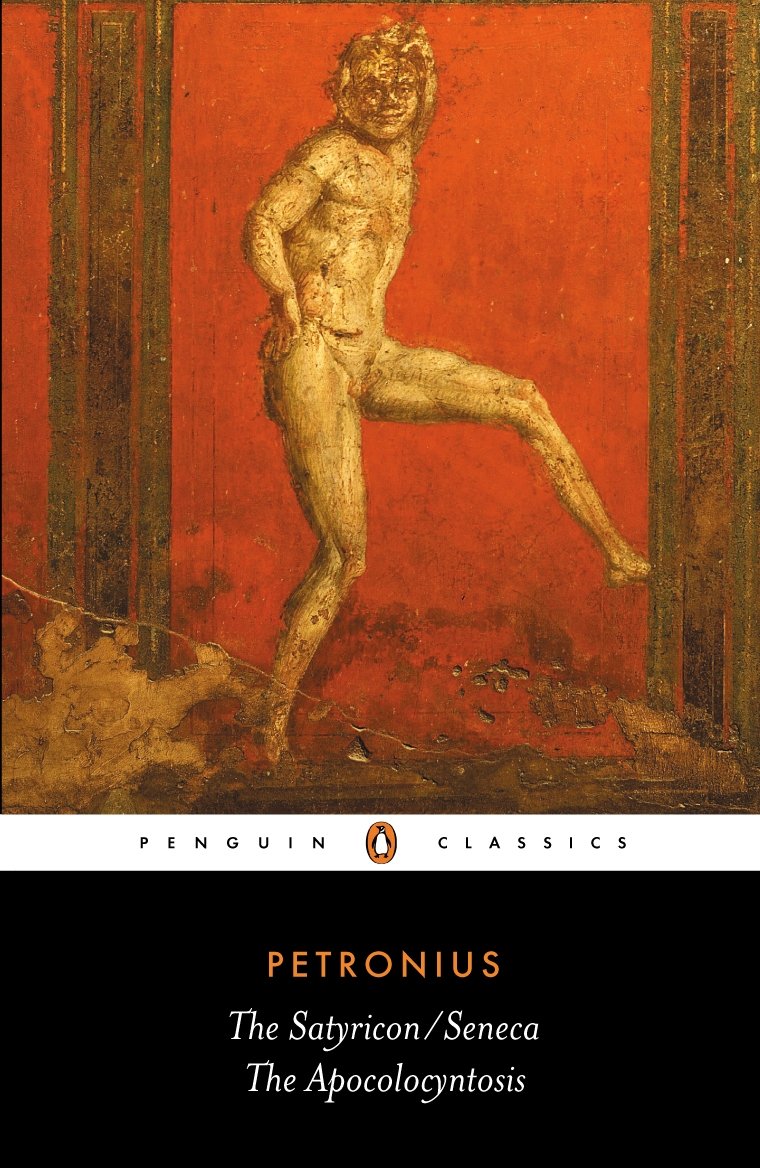
29. The Satyricon and the Apocolocyntosis
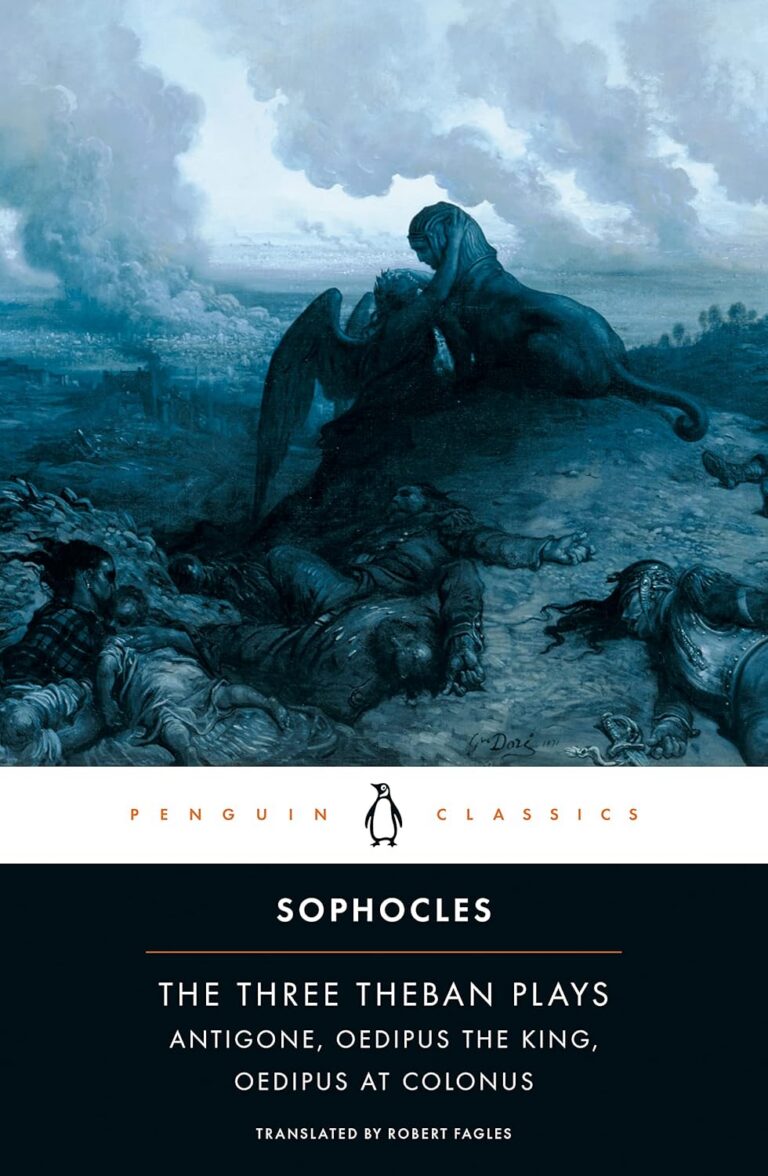
30. The Three Theban Plays
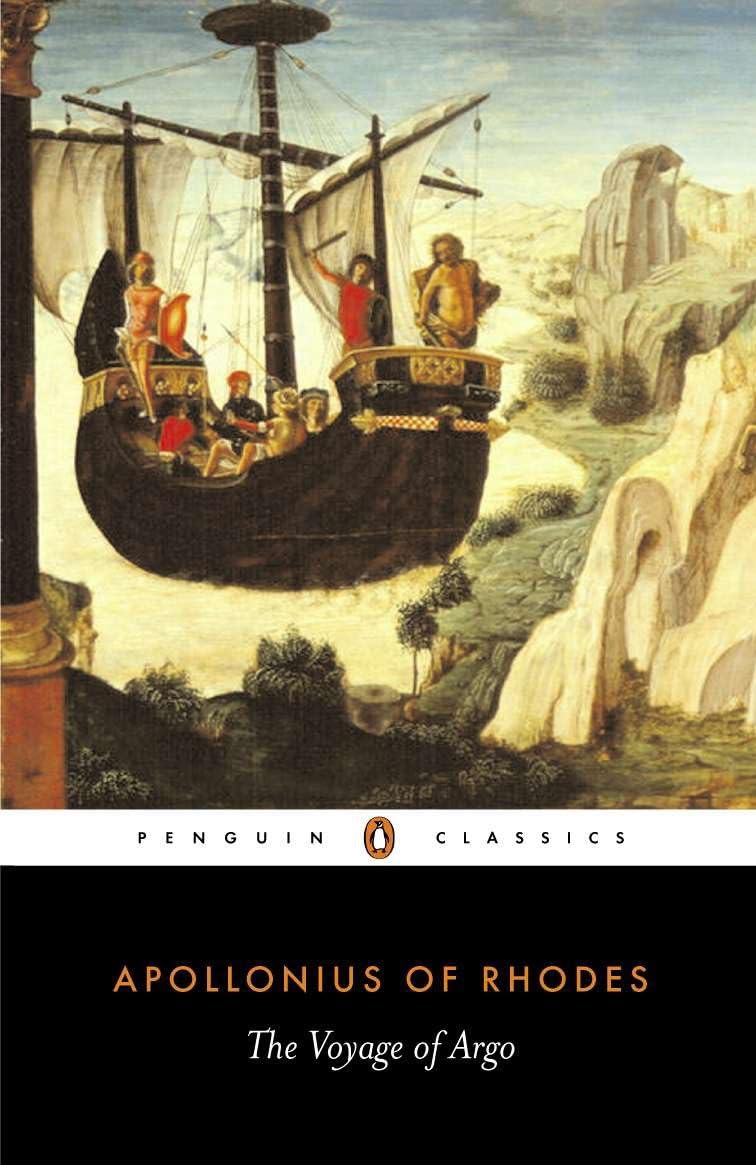
31. The Voyage of Argo