Rollo was a Scandinavian war leader who became the ruler of the lower Seine region from which the Duchy of Normandy developed. His precise origins remain uncertain, and later Norman and Scandinavian traditions disagree over his ancestry. By the early tenth century he had emerged as a powerful Viking leader operating in the Frankish world, where repeated raids and settlements had made control of the Seine strategically important to the West Frankish monarchy.
Under an agreement traditionally associated with the Treaty of Saint-Clair-sur-Epte around 911, King Charles the Simple recognised Rollo’s authority around Rouen in return for loyalty and defence against other raiders. Rollo accepted Christianity and established a dynasty that gradually expanded Norman territory and integrated Scandinavian settlers with the existing population. He eventually transferred power to his son William Longsword. Rollo’s exact death date is uncertain, but he probably died in the first half of the tenth century.
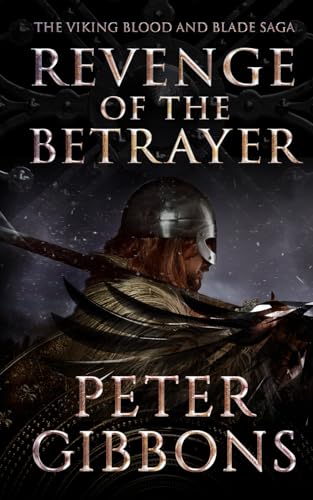
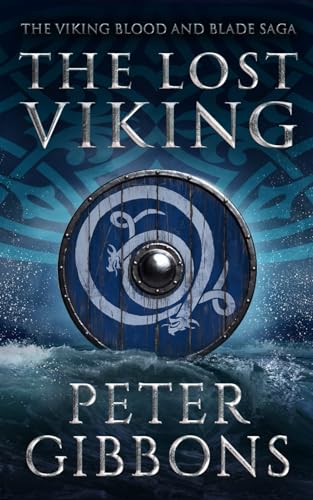
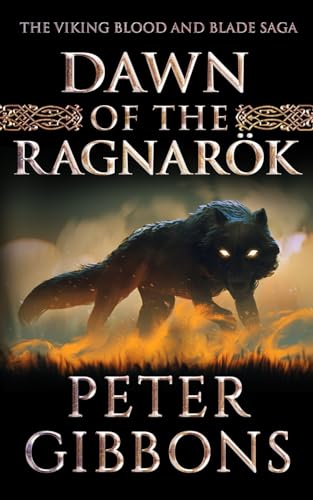
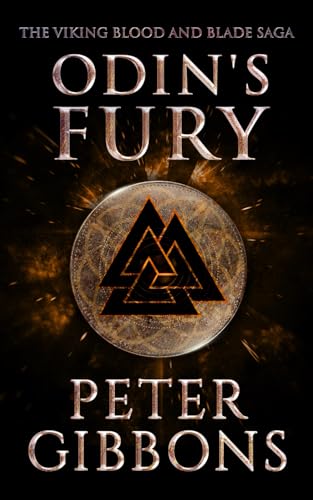
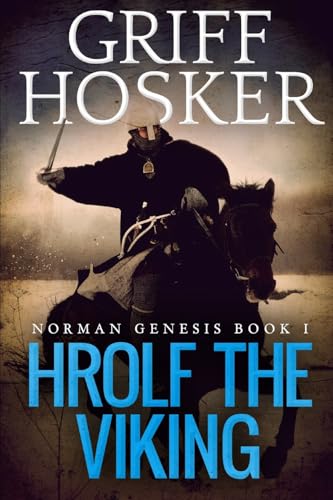
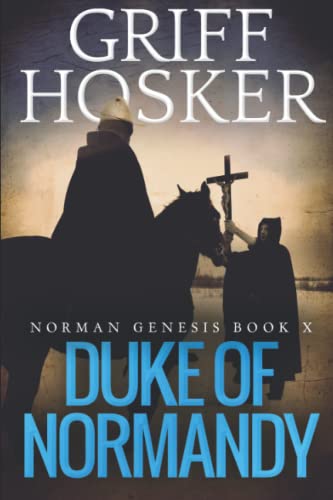
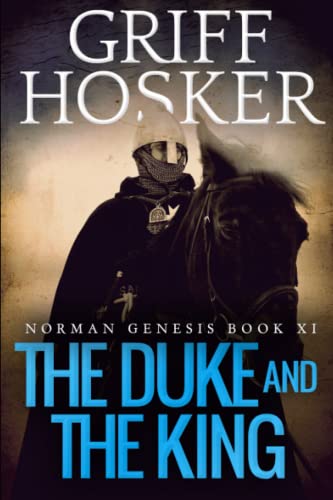
Griff Hosker’s Lord of Rouen follows Rollo from Scandinavian warfare into the campaigns against Saxons, Bretons and Franks that establish him on the lower Seine, while Duke of Normandy shows him struggling to turn possession of Rouen into durable rule against Breton and internal enemies. The Duke and the King carries that transformation further, presenting the former Viking as a ruler whose alliances and military strength begin to create the duchy later known as Normandy. Peter Gibbons’s Revenge of the Betrayer approaches Rollo from the opposing side, making his power in Normandy the threat facing Hundr and Einar. Horseman supplies the earlier Norse clan world and family background from which Hosker’s version of Rollo eventually emerges.