Roger Bacon was a thirteenth-century English Franciscan philosopher whose work ranged across optics, language, mathematics, theology and the study of nature. In the Opus Majus and related writings prepared for Pope Clement IV, he argued for linguistic training, practical observation and the reform of learning. Later legend transformed him into a magician and inventor far beyond what the evidence supports.
Bacon argued that linguistic study, mathematics and direct observation were essential tools for serious learning, though his reputation as a uniquely modern experimental scientist can be overstated. Much of his work was framed by theological and Franciscan concerns and by the intellectual programme of the medieval universities. His writings nevertheless became important to later histories of optics, scientific method and the transmission of Arabic and Greek learning.
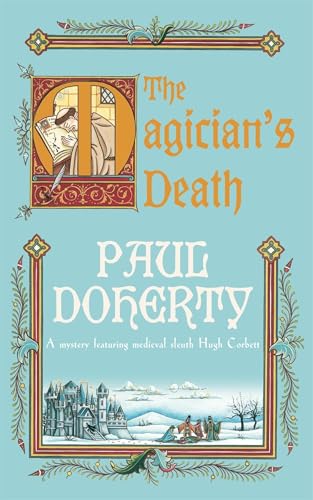
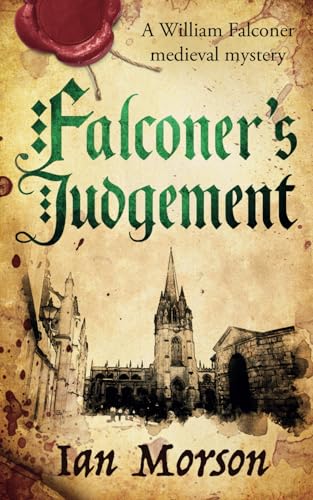
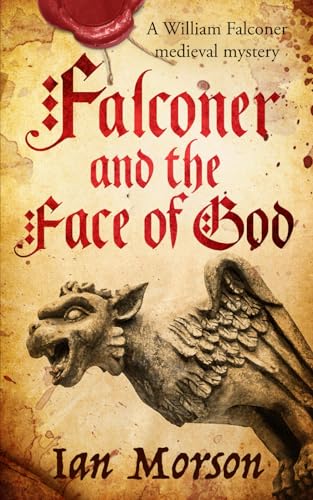
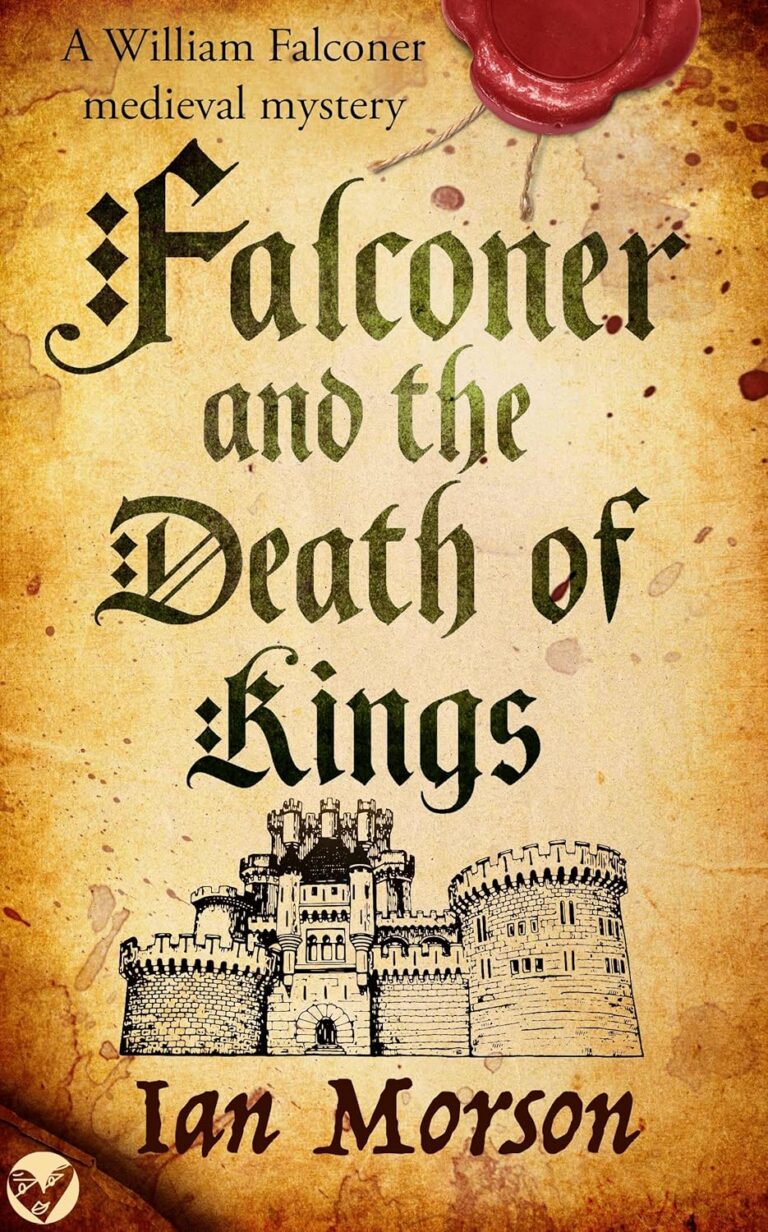
In Ian Morson’s Falconer and the Death of Kings, while Edward I travels towards his coronation, an assassin wounds him with a poisoned knife. Troubled by earlier deaths in his family, the king orders William Falconer—already in Paris to help Roger Bacon—to determine who is attacking the royal household. In Ian Morson’s Falconer and the Face of God, A theatrical performance ends in a real killing when an actor is stabbed on stage. Soon after, a troupe of jongleurs arrives in Oxford, and a second performer dies during another play. Falconer investigates the company’s rivalries while also pursuing a cryptic request from Roger Bacon concerning an alchemist. Religious drama, relics, royal authority and forbidden inquiry converge as Falconer tries to identify why the actors are being targeted before the troupe’s final performance. Roger Bacon is treated fictionally in Paul Doherty’s The Magician’s Death, Julian Stockwin’s The Powder of Death, and Ian Morson’s Falconer’s Judgement.