fl. c. 26–36 CE
Pontius Pilate was the Roman prefect of Judaea under Emperor Tiberius, governing the province for roughly a decade from about 26 to 36 CE. His existence and office are independently confirmed by the inscription discovered at Caesarea Maritima, while the Jewish writers Philo and Josephus preserve hostile accounts of disputes during his administration. These incidents show a governor willing to use coercion and to provoke conflict over imperial symbols, sacred funds and public order.
Pilate is best known because the Christian Gospels place the trial and crucifixion of Jesus under his authority. The Gospel narratives differ in emphasis and were written with theological as well as historical purposes, but Roman responsibility for crucifixion accords with the prefect’s legal power. Josephus also records Pilate’s violent suppression of a Samaritan gathering, after which the governor of Syria ordered him to answer complaints before Tiberius. His subsequent career, birthplace and death are unknown.
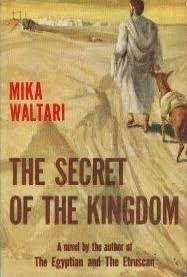
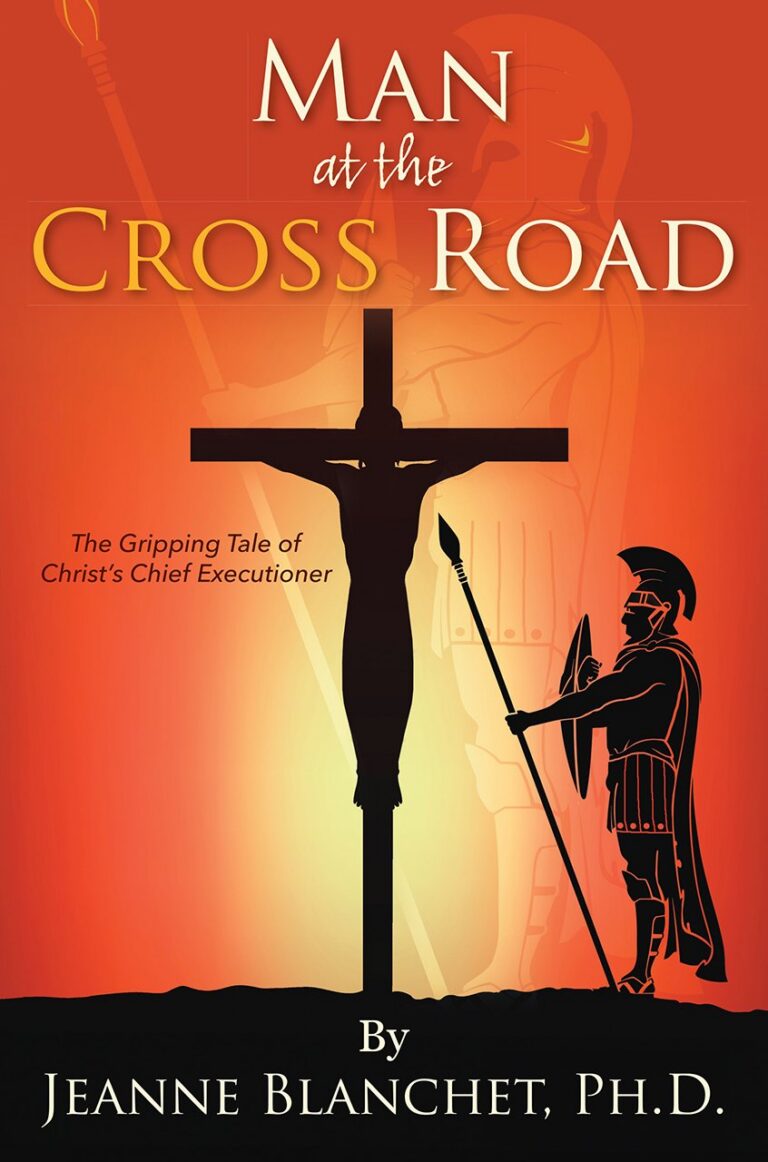
Pilate appears in Robert Graves’ King Jesus, Angela Hunt’s Magdalene, Jeanne Blanchet’s Man at the Cross Road, Margaret George’s Mary, Called Magdalene, Doug Peterson’s Swords in the Desert and Mika Waltari’s The Secret of the Kingdom. These novels necessarily reconstruct his personality and private motives beyond the limited ancient evidence while retaining his historical role as Roman prefect at the time of Jesus’s execution.