Mary of Guise was a French noblewoman who became queen of Scots through marriage to James V and mother of Mary, Queen of Scots. Widowed in 1542, she gradually secured the regency and governed during conflict with England and the growth of Protestant reform.
She relied on French military support, which allowed opponents to portray her as an agent of foreign domination. Mary died in 1560 while besieged in Edinburgh Castle, shortly before a settlement transformed Scotland’s religious order. Mary of Guise was born in Bar-le-Duc and died in Edinburgh Castle.
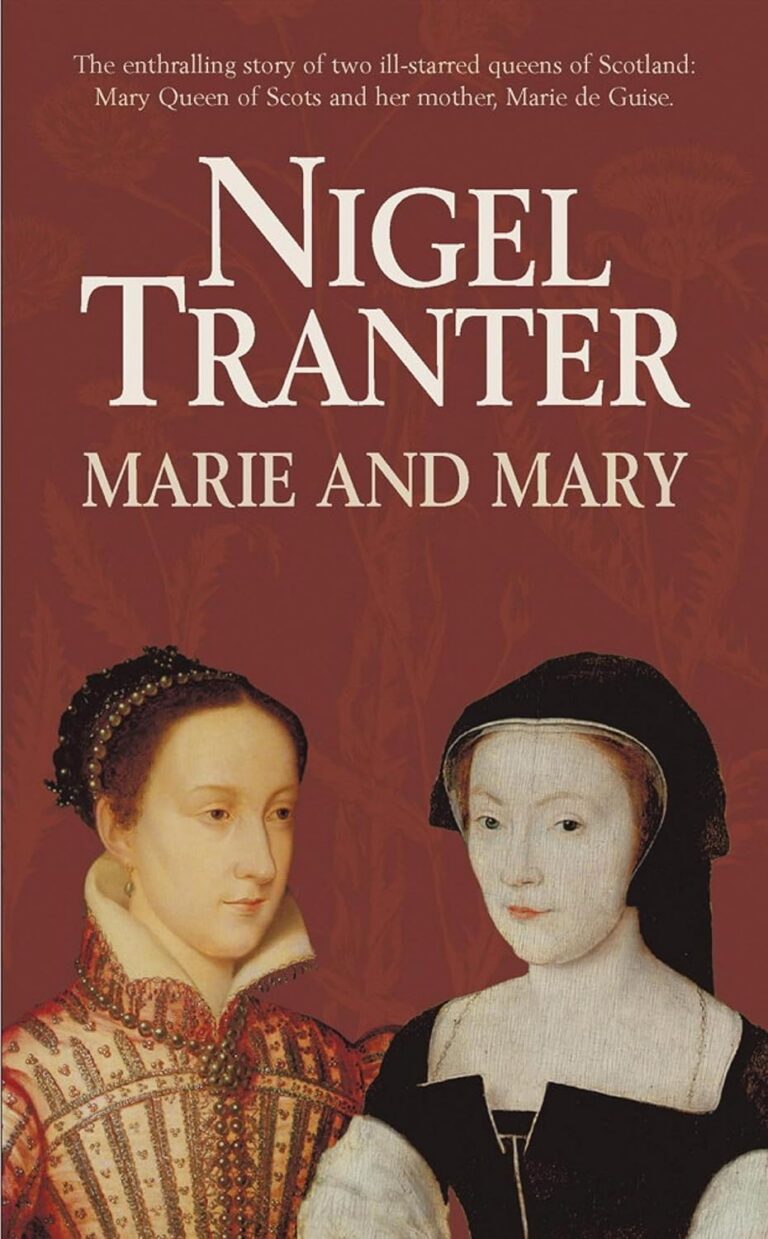
In Sam Burnell’s A Queen’s Conspirator, in 1559, Protestant Scottish nobles seek English help against the French forces supporting Mary of Guise. In Steven Veerapen’s The Cradle Queen, Simon Danforth is drawn again into the royal household and the dangerous politics surrounding Mary of Guise, Cardinal Beaton and the question of how Scotland’s child queen should be protected and married. Mary of Guise is treated fictionally in Dorothy Dunnett’s Queens’ Play, Nigel Tranter’s Marie and Mary, Jean Plaidy’s Royal Road to Fotheringhay, Robert Low’s Shake Loose the Border, and Sarah Gristwood’s The Queen’s Mary.