George Boleyn, Viscount Rochford, was the only surviving son of Thomas and Elizabeth Boleyn and the brother of Mary and Anne Boleyn. He became a courtier, diplomat and supporter of religious reform during Anne’s queenship.
In 1536 he was accused of committing incest with his sister, a charge unsupported by credible evidence but useful in transforming allegations of adultery into treason. He was convicted and executed two days before Anne. George Boleyn, Viscount Rochford was born in Blickling Hall and died in London.
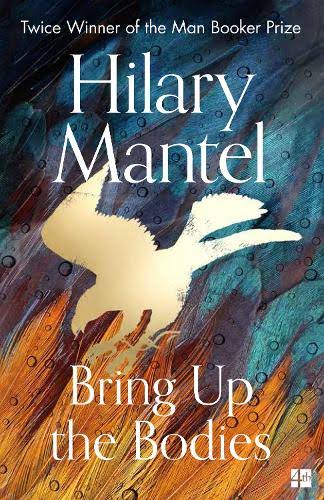
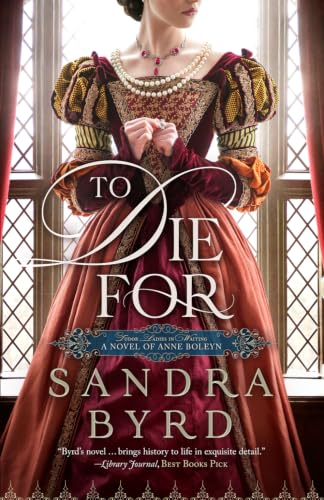
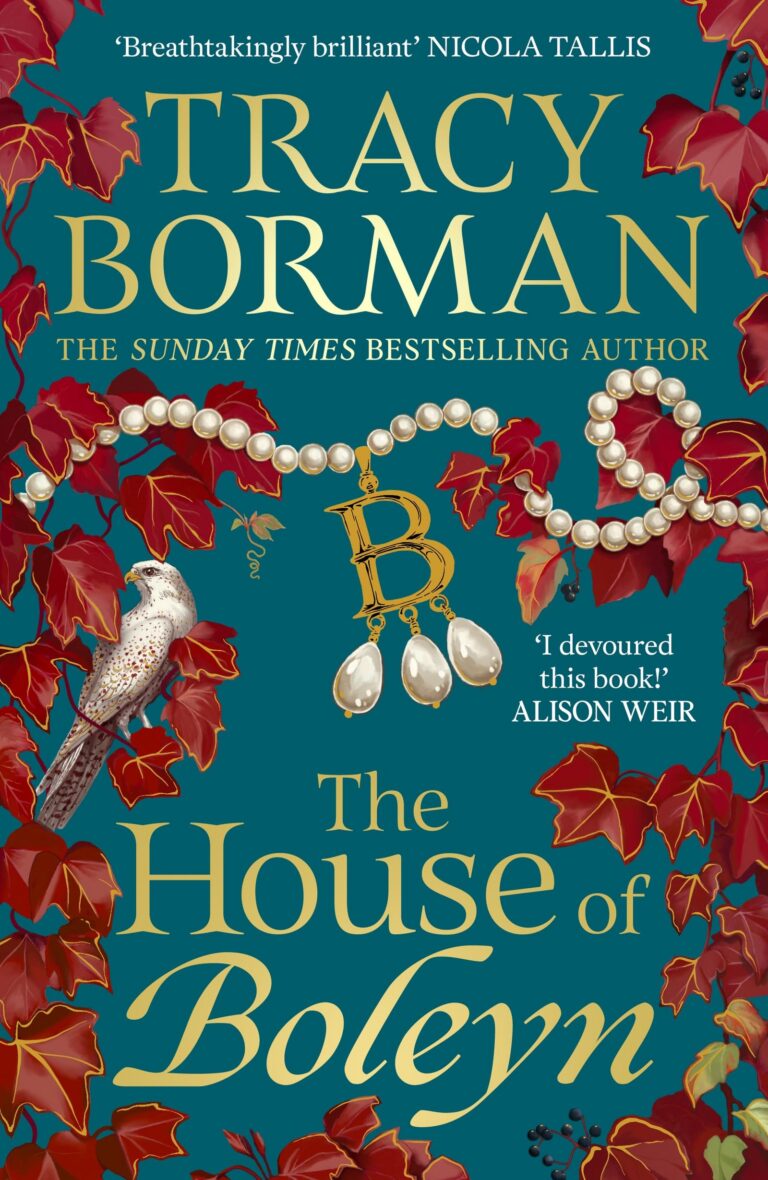
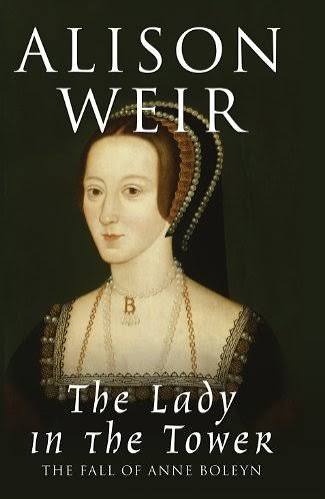
Hilary Mantel’s Bring up the Bodies places George Boleyn inside the investigation constructed against Anne Boleyn, where his closeness to his sister is transformed into an accusation of incest and treason. Tracy Borman’s The House of Boleyn begins earlier, showing George growing up with Mary and Anne within a family whose court ambitions will eventually endanger all three siblings. Alison Weir’s The Wicked Wife looks back on George through Jane Boleyn, whose later reputation is inseparable from the evidence surrounding his trial. Sandra Byrd’s To Die For views his fall from within Anne’s circle as accusation closes around the queen’s household. Weir’s The Lady in the Tower supplies the documentary counterpart, examining George’s arrest, the incest charge and the political and evidential weaknesses of the case that sent him to the scaffold.